Housing Permits Approach Pre-Pandemic Lows Amid Rising Mortgage Rates
Housing permits have declined significantly in recent months, reaching levels comparable to those seen during the COVID-19 recession, despite legislative efforts to boost construction.

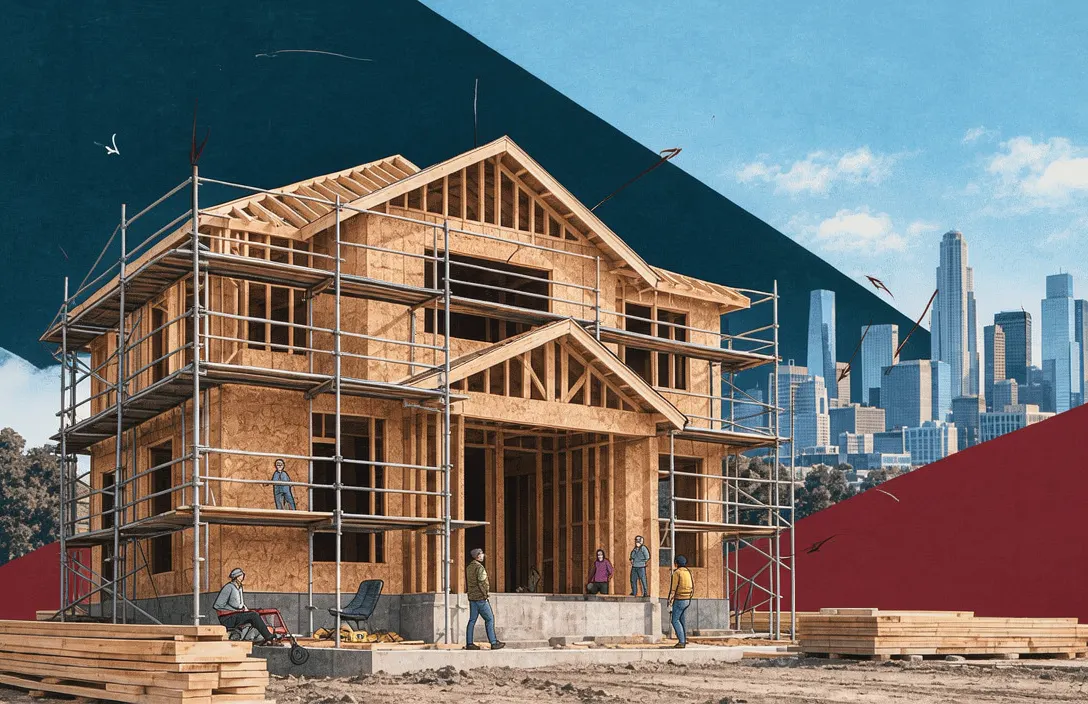

Housing permits for privately-owned housing units in October were at a seasonally adjusted annual rate of 1,295,000, representing a 7.4% decrease from the revised September rate of 1,398,000 and an 8.7% decline compared to the October 2025 rate of 1,418,000 (Source ID: 2). This data indicates a continued downward trend in housing permits, with single-family authorizations falling to 772,000, a drop of 8.7% from the previous month (Source ID: 2). The decline in permits is attributed to rising mortgage rates, which have climbed to above 7%, significantly impacting the affordability and demand for new homes (Source ID: 1). [1] [2]
Despite the drop in permits, housing starts in October rose to a seasonally adjusted annual rate of 1,309,000, a 9.9% increase from the revised September estimate of 1,191,000 and 2.8% above the October 2025 rate of 1,273,000 (Source ID: 2). This increase in starts is partially offset by the decline in permits, indicating that while some construction is ongoing, the overall trend remains negative due to the high mortgage rates and reduced demand (Source ID: 1). [1] [2]
Housing completions in October were at a seasonally adjusted annual rate of 1,272,000, a 6.5% increase from the revised September estimate of 1,194,000 but still 10.4% below the October 2025 rate of 1,419,000 (Source ID: 2). This data highlights the challenges faced by the housing sector, as the number of completed homes remains below pre-pandemic levels, despite efforts to stimulate construction through legislative measures like the ROAD to Housing Act (Source ID: 1). [1] [2]
Housing permits for privately-owned housing units in October were at a seasonally adjusted annual rate of 1,295,000, representing a 7.4% decrease from the revised September rate of 1,398,000 and an 8.7% decline compared to the October 2025 rate of 1,418,000 (Source ID: 2). This decline in permits indicates a slowdown in new housing projects, which may be influenced by factors such as mortgage rates and economic conditions. [2]
Advertisement
Despite the drop in permits, housing starts in October rose to a seasonally adjusted annual rate of 1,309,000, a 9.9% increase from the revised September estimate of 1,191,000 and 2.8% above the October 2025 rate of 1,273,000 (Source ID: 2). This increase suggests that some construction activity is continuing, possibly supported by existing projects or adjustments in the market. [2]
Housing completions in October were at a seasonally adjusted annual rate of 1,272,000, a 6.5% increase from the revised September estimate of 1,194,000, but is 10.4% below the October 2025 rate of 1,419,000 (Source ID: 2). This data reflects the ongoing challenges in completing housing projects, which may be affected by various economic and regulatory factors. [2]
Housing permits for privately-owned housing units in October were at a seasonally adjusted annual rate of 1,295,000, representing a 7.4% decrease from the revised September rate of 1,398,000 and an 8.7% decline compared to the October 2025 rate of 1,418,000 (Source ID: 2). This decline in permits suggests a reduction in new construction projects being authorized, which could be influenced by various economic factors such as mortgage rates and builder confidence (Source ID: 1). [2] [1]
Despite the drop in permits, housing starts in October rose to a seasonally adjusted annual rate of 1,309,000, a 9.9% increase from the revised September estimate of 1,191,000 and 2.8% above the October 2025 rate of 1,273,000 (Source ID: 2). This increase in housing starts indicates that construction activity is continuing, even though fewer permits are being issued, which may reflect efforts by builders to complete ongoing projects (Source ID: 1). [2] [1]
Advertisement
Housing completions in October were at a seasonally adjusted annual rate of 1,272,000, a 6.5% increase from the revised September estimate of 1,194,000, but is 10.4% below the October 2025 rate of 1,419,000 (Source ID: 2). The increase in completions suggests that some projects are reaching their final stages, even as overall construction activity remains below previous levels, indicating a potential lag between permit issuance and project completion (Source ID: 1). [2] [1]
Housing permits for privately-owned housing units in October were at a seasonally adjusted annual rate of 1,295,000, representing a 7.4% decrease from the revised September rate of 1,398,000 and an 8.7% decline compared to the October 2025 rate of 1,418,000 (Source ID: 2). This data indicates a continued downward trend in housing permits over the past year, despite legislative efforts aimed at increasing construction (Source ID: 1). [1] [2]
Despite the drop in permits, housing starts in October rose to a seasonally adjusted annual rate of 1,309,000, a 9.9% increase from the revised September estimate of 1,191,000 and 2.8% above the October 2025 rate of 1,273,000 (Source ID: 2). This increase in housing starts suggests that builders may be continuing construction projects initiated prior to the decline in permits, potentially mitigating the immediate impact of the reduced permit numbers (Source ID: 1). [1] [2]
Housing completions in October were at a seasonally adjusted annual rate of 1,272,000, a 6.5% increase from the revised September estimate of 1,194,000, but is 10.4% below the October 2025 rate of 1,419,000 (Source ID: 2). This suggests that while the number of completed housing units is rising compared to the previous month, it remains significantly lower than the rate recorded in October 2025, indicating a long-term trend of declining housing completions (Source ID: 1). [1] [2]
Advertisement
The Cali Reporter newsletter
The stories worth your time.
California, the country, and what comes next. Join our free newsletter for reporting that keeps you informed.
More in Housing
- FHA's HECM Portfolio Faces Capital Ratio Challenges
The Federal Housing Administration's 2026 report highlights a significant decline in the capital ratio for its HECM reverse mortgage program, raising concerns about its financial stability and future policy implications.
- Mortgage Rate Projections and Real Estate Industry Concerns
Industry experts are analyzing the potential for mortgage rates to rise to 9% by 2027, though such a scenario is considered unlikely by many. The real estate sector is preparing for a range of challenges, including…
- Non-QM Lending Growth Driven by Changing Buyer Behavior
New research highlights a shift in homebuyer financing strategies, contributing to the expansion of nonqualified mortgage lending.