

Hidden brain wiring may help keep the mind sharp as gray matter shrinks
Scientists at the Mark and Mary Stevens Neuroimaging and Informatics Institute (Stevens INI) at the Keck School of Medicine of USC have unco

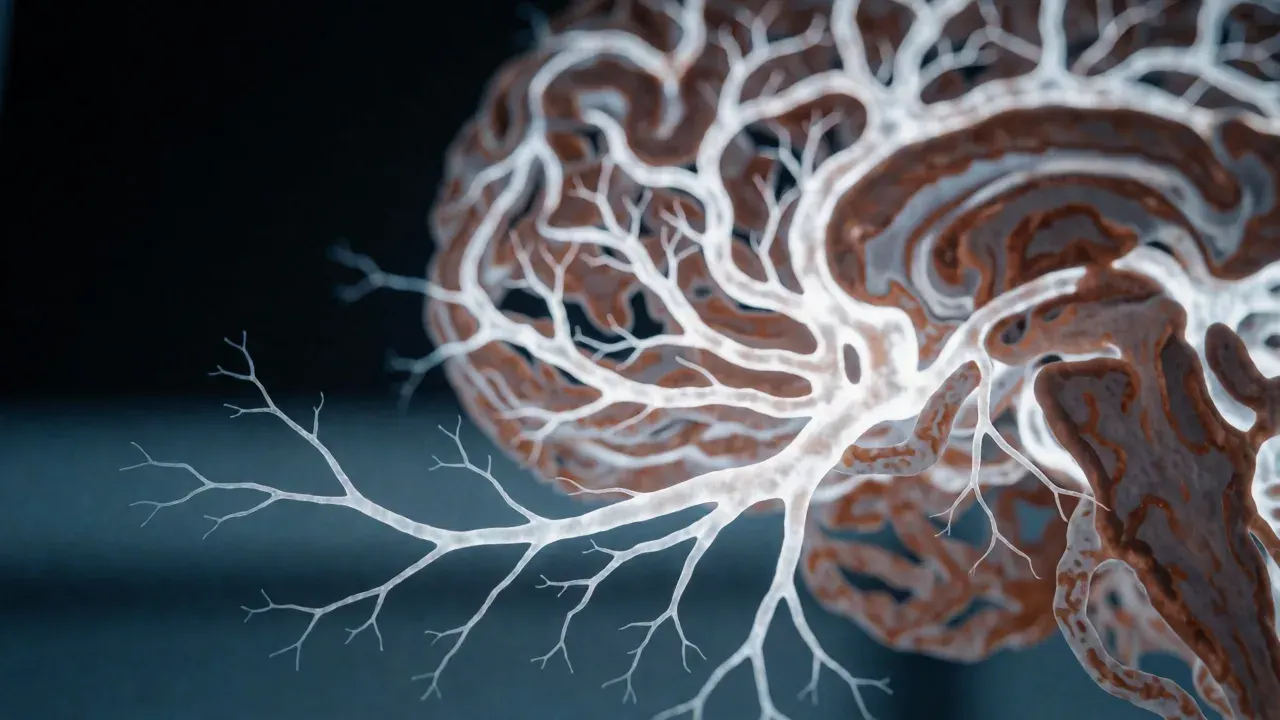
Scientists at the Mark and Mary Stevens Neuroimaging and Informatics Institute (Stevens INI) at the Keck School of Medicine of USC have uncovered evidence that two neighboring types of brain tissue may work together to support thinking abilities later in life. Their findings suggest that the condition of the brain's local communication pathways could influence how strongly gray matter loss affects cognition.
The study, published in Alzheimer's & Dementia: The Journal of the Alzheimer's Association, included brain imaging and cognitive testing from 459 adults aged 60 and older living in communities across India. The research is among the first to investigate superficial white matter in a community-based population from a low- and middle-income country.
First reported by ScienceDaily: Relationships.
More in Love & Relationships
- Clear requests and respectful boundaries belong in everyday relationships
NIH guidance highlights honest conversation, listening and limits as parts of supportive connections.
- How Eye-Tracking Revealed Hidden Social Skills in Severely Disabled Youth
A new study finds that personalized training can unlock social abilities in people often considered untestable.
- Sleep matters: Duration, timing, quality and more may affect cardiovascular disease risk
Healthy sleep includes multiple components, such as number of hours of sleep per night, how long it takes to fall asleep, daytime functionin