Health Professionals Urged to Focus on Nuclear Risk
Editors of over 100 international journals have called for health professionals to keep health at the center of discussions on nuclear risk amid rising global tensions.

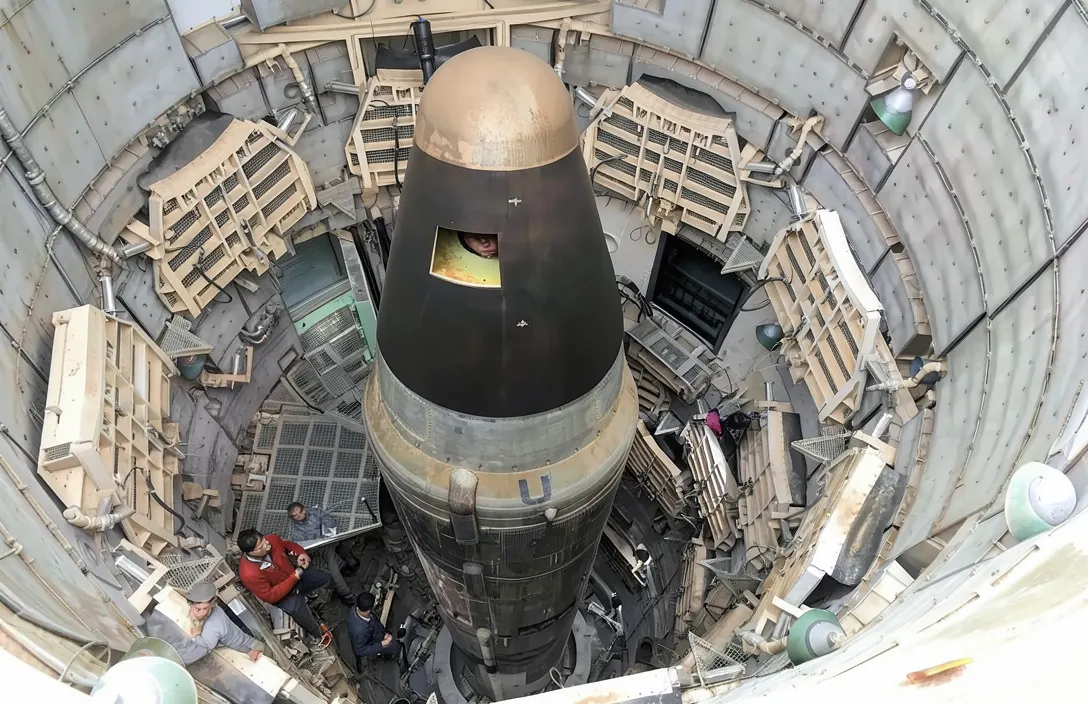

In response to increasing geopolitical tensions, editors of more than 100 international journals have jointly published an editorial urging health professionals to ensure that health remains a central focus in public discussions about nuclear risk. The editorial appears in leading publications such as The BMJ, The Lancet, and the Medical Journal of Australia, among others. The authors emphasize the importance of addressing the potential global health consequences of nuclear conflict, particularly in light of the rising number of nuclear warheads and the increased spending by nuclear-armed states on their arsenals (Source ID: 1). [1]
According to the editorial, the nine nuclear-armed states spent just under $119 billion in 2025 on their nuclear arsenals, marking a 19% increase from the previous year. With over 12,000 nuclear warheads worldwide and the majority of the global population residing in megacities, models suggest that even a small nuclear war involving just 2%–3% of existing weapons could lead to global starvation and the collapse of modern civilization (Source ID: 1). [1]
In response to these risks, the United Nations General Assembly has initiated a comprehensive review of the consequences of nuclear war, which is scheduled to be completed in 2027. Additionally, the World Health Organization will update its studies on the public health effects of nuclear war by 2029. These efforts mark the first major international reassessments of the effects of nuclear war by these organizations in nearly 40 years (Source ID: 1). [1]
In response to increasing geopolitical tensions, editors of more than 100 international journals have jointly published an editorial urging health professionals to ensure that health remains a central focus in public discussions about nuclear risk (source ID: 1). The editorial, which appears in leading global publications such as The BMJ, The Lancet, and the Medical Journal of Australia, highlights the growing concerns surrounding nuclear arsenals and their potential global consequences. The authors emphasize the importance of maintaining health as a priority, particularly in the context of rising nuclear tensions and the potential for catastrophic outcomes. [1]
Advertisement
According to the editorial, the nine nuclear-armed states—China, France, India, Israel, North Korea, Pakistan, Russia, the United Kingdom, and the United States—spent just under $119 billion in 2025 on their nuclear arsenals, marking an 19% increase from the previous year (source ID: 1). This significant rise in spending occurs alongside the presence of over 12,000 nuclear warheads globally and the high populations living in megacities. Models suggest that even a "small" nuclear war using just 2%–3% of existing weapons could trigger global starvation and the collapse of modern civilization. [1]
In response to these risks, the United Nations General Assembly has initiated a comprehensive review of the consequences of nuclear war, which is scheduled to be completed in 2027 (source ID: 1). The World Health Organization will also update its studies on the public health effects of nuclear war by 2029. These initiatives represent the first major international reassessments of the effects of nuclear war by these bodies in nearly 40 years, as noted by the authors of the editorial. [1]
In response to growing geopolitical tensions, editors of more than 100 international journals have jointly published an editorial urging health professionals to keep health at the center of public discussions on nuclear risk (source ID: 1). The editorial, which appears in leading global publications such as The BMJ, The Lancet, and the Medical Journal of Australia, highlights the increasing financial commitment by nuclear-armed states to their arsenals. The nine nuclear-armed states—China, France, India, Israel, North Korea, Pakistan, Russia, the United Kingdom, and the United States—spent just under $119 billion in 2025 on their nuclear arsenals, marking an 19% increase from the previous year (source ID: 1). [1]
The editorial also notes that models suggest even a small nuclear war, using just 2%–3% of existing weapons, could lead to global starvation and the collapse of modern civilization (source ID: 1). This concern has prompted the United Nations General Assembly to initiate a comprehensive review of the consequences of nuclear war, which is scheduled to be completed in 2027 (source ID: 1). Additionally, the World Health Organization is set to update its studies on the public health effects of nuclear war by 2029, marking the first major international reassessments of the effects of nuclear war by these bodies in nearly 40 years (source ID: 1). [1]
Advertisement
The editorial highlights that the principal argument for nuclear weapons—deterrence—remains fragile, asymmetric, and dependent on the permanent threat of catastrophe, while also being blind to the needs of non-nuclear states (source ID: 1). Insights from psychology and neuroscience suggest that decisions about nuclear weapons are not rational, and emerging technologies, misinformation, and disinformation further heighten the risks associated with nuclear conflict (source ID: 1). [1]
In response to growing geopolitical tensions, editors of more than 100 international journals have jointly published an editorial urging health professionals to keep health at the center of public discussions on nuclear risk (source ID: 1). The editorial appears in leading global publications, including The BMJ, The Lancet, the Medical Journal of Australia, the East African Medical Journal, the National Medical Journal of India, and International Nursing Review. This call to action follows concerns over the increasing focus on nuclear capabilities amid global instability. [1]
In 2025, the nuclear-armed states—China, France, India, Israel, North Korea, Pakistan, Russia, the United Kingdom, and the United States—spent just under $119 billion, or $3,768 per second, on their nuclear arsenals, an increase of 19% from the previous year, explain the authors (source ID: 1). This significant rise in spending highlights a growing global arms race and raises concerns about the potential consequences of nuclear conflict. [1]
Models show that even a "small" nuclear war using just 2%–3% of existing weapons could trigger global starvation and the collapse of modern civilization (source ID: 1). The editorial emphasizes that such scenarios are not hypothetical and underscores the urgent need for global reassessments of nuclear risks and their implications for public health and global stability. [1]
Advertisement
The Cali Reporter newsletter
The stories worth your time.
California, the country, and what comes next. Join our free newsletter for reporting that keeps you informed.
More in Health & Medicine
- Brain Energy Mismatches in Schizophrenia
A new study explores the potential role of energy bottlenecks in brain cells in explaining fragmented experiences of time, space, and self in schizophrenia.
- Brazil Reports First Mpox Death in 2026
Brazil has recorded its first mpox-related death in 2026, but public health officials are not classifying the current surge in cases as an outbreak, according to the Fiocruz Institute.
- Personalized Therapies for IBD May Target Specific Harmful Gut Bacteria
A study led by Dr. Lukas Mager and Prof. Kathy McCoy has identified two gut bacteria that promote inflammation in inflammatory bowel disease, opening the door for personalized treatments.