Health Anxiety and the Impact of Self-Diagnosis
A personal account highlights the challenges of health anxiety and the consequences of self-diagnosis through online searches.

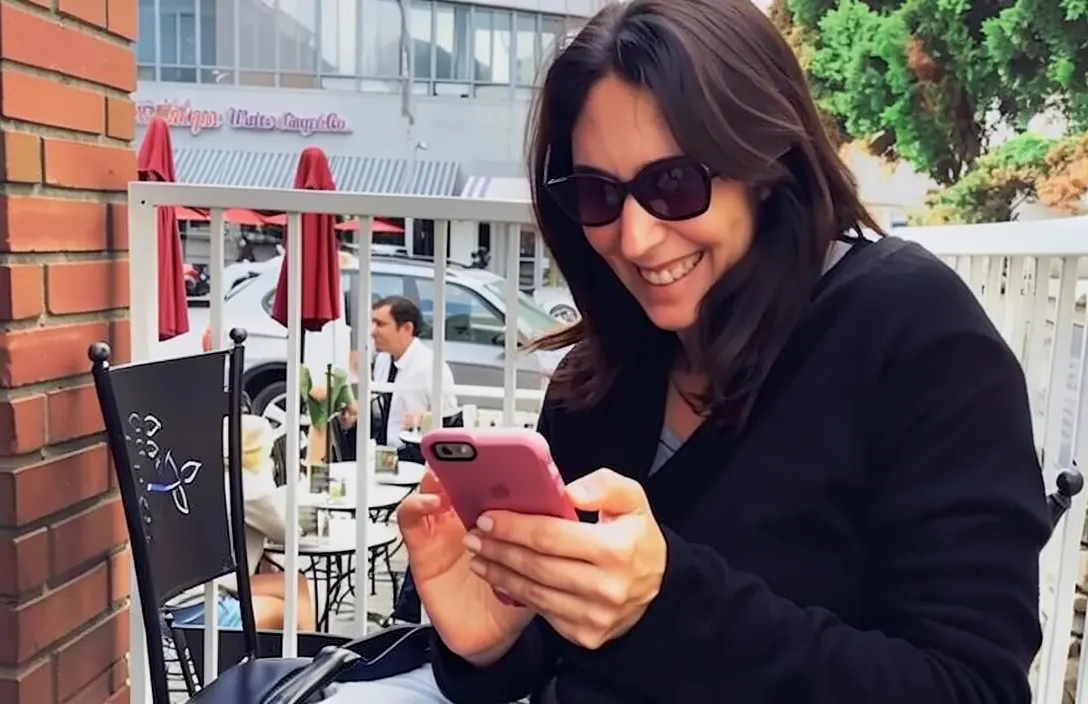
Linda Wolff recounts her experience with health anxiety, which began with the discovery of a swollen lymph node during a routine checkup at age 36. The concern raised by her doctor led to a referral to a surgical oncologist, and the subsequent months of medical appointments were marked by intense anxiety. During this time, she frequently searched online for information about lumps on her neck, which only exacerbated her fears, leading her to consider the worst possible outcomes (source ID: 1). [1]
Wolff's history of cancer in her immediate family contributed to her deep-seated fear of developing the disease. Her father's battle with pancreatic cancer, which led to his death within six weeks of diagnosis, left a lasting emotional impact on her. This history intensified her anxiety whenever she faced medical evaluations, often leading to anticipatory grief and emotional distress (source ID: 1). [1]
Despite undergoing multiple medical procedures and receiving clean bills of health, Wolff struggled with feelings of guilt and regret over the time and energy spent on health-related worries. She realized that her anxiety was affecting her overall health, contributing to symptoms such as high blood pressure, IBS, insomnia, and vertigo. Her doctor eventually advised her to stop engaging in excessive online health research, which she ultimately did (source ID: 1). [1]
Wolff now focuses on engaging in joyful and productive activities to manage her anxiety, such as gardening, spending time with her grandchildren, and writing her novel. She acknowledges that while she still experiences worry, she has learned to avoid excessive online research and instead trust medical professionals to handle her health concerns (source ID: 1). [1]
Advertisement
Linda Wolff's health anxiety was triggered by the discovery of a swollen lymph node during a routine checkup at age 36. The concern raised by her doctor led to a referral to a surgical oncologist, causing significant anxiety as she prepared for further testing and potential surgery (1). Wolff's fear was compounded by her family history of cancer, which has influenced her perception of medical issues and the emotional weight she carries during checkups (1). [1]
Wolff's anxiety was exacerbated by her tendency to research her symptoms online, which often led to worst-case scenarios. This behavior intensified her fear, particularly when she encountered terms like lymphoma and leukemia during late-night searches (1). The emotional impact of her father's battle with pancreatic cancer at a young age further contributed to her persistent fear of developing cancer herself (1). [1]
The stress of medical procedures and constant worry took a toll on Wolff's mental and physical health. She experienced symptoms such as high blood pressure, IBS, insomnia, and vertigo, which she believes were worsened by her anxiety (1). Eventually, her doctor advised her to stop engaging in excessive health-related research and instead focus on activities that bring her joy and peace of mind (1). [1]
Wolff now prioritizes engaging in joyful and productive activities, such as gardening, spending time with her grandchildren, and writing her novel, to manage her anxiety (1). These efforts have helped her reduce the emotional burden of her health fears and reclaim her time and peace of mind (1). [1]
Advertisement
Linda Wolff's health anxiety began with the discovery of a swollen lymph node during a routine checkup at age 36, which triggered significant fear due to her family's history of cancer (1). This event marked the beginning of a pattern in which Wolff would repeatedly seek medical attention and engage in extensive online research about her symptoms, often leading to worst-case scenarios. Her fear was compounded by the fact that her parents and siblings had all been diagnosed with cancer, contributing to a deep-seated fear of developing the disease herself. [1]
Wolff's anxiety was further exacerbated by the stress of medical procedures and the constant worry about her health, which took a toll on both her mental and physical well-being (1). She described how the time spent worrying about her health prevented her from engaging in more fulfilling activities, such as learning a new language or spending time with her grandchildren. The emotional burden of her anxiety was so severe that it affected her health, leading to issues such as high blood pressure, insomnia, and vertigo. [1]
With the guidance of her doctor, Wolff began to shift her focus away from health-related worries and toward more joyful and productive activities, such as gardening, spending time with her grandchildren, and writing her novel (1). This change in focus helped her manage her anxiety and improve her overall well-being. While she still experiences moments of worry, she now actively avoids engaging in excessive online research and instead chooses to focus on activities that bring her peace and fulfillment. [1]
Linda Wolff's health anxiety began with the discovery of a swollen lymph node during a routine checkup at age 36. The concern raised by her doctor led to a series of anxiety-ridden months of medical evaluations at a local cancer center (1). The experience intensified her pre-existing fears, as her family has a history of cancer, which made the possibility of developing the disease even more daunting (1). [1]
Advertisement
Wolff's anxiety was exacerbated by her tendency to research her symptoms online, which often led to worst-case scenarios and increased her fear (1). The stress of medical procedures and constant worry took a toll on both her mental and physical health, contributing to symptoms such as high blood pressure, IBS, insomnia, and vertigo (1). [1]
With the guidance of her doctor, Wolff began to shift her focus away from health-related worries and toward more joyful and productive activities, such as gardening, spending time with her grandchildren, and writing her novel (1). This change in approach helped her manage her anxiety and reclaim her sense of well-being (1). [1]
Sources
Prepared with AI assistance from the cited sources.
The Cali Reporter newsletter
The stories worth your time.
California, the country, and what comes next. Join our free newsletter for reporting that keeps you informed.
More in Business
- Kirkland Signature Meals: A Family's Take on Taste and Value
A family's review of Kirkland Signature meals highlights a mix of flavors, textures, and value at Costco, with some dishes standing out while others fall short of expectations.
- Ex-OpenAI Engineer Donates Equity to AI Safety
Jacob Coxon, a former engineer at OpenAI and Anthropic, has pledged to donate his equity in OpenAI to AI safety research, citing concerns over the risks of uncontrolled AI development.
- Scottish Hacker Sentenced for Crypto Theft Scheme
A Scottish hacker has been sentenced to six years in U.S. federal prison for orchestrating a large-scale cryptocurrency theft operation, according to a report from the U.S. Attorney’s Office for the Central District of…