Harvard Study Reveals Data Centers Emit More CO2 Than Denmark
A new Harvard University study estimates that the 400 largest U.S. data centers produce as much carbon dioxide annually as the entire nation of Denmark, highlighting a growing environmental concern as the artificial…

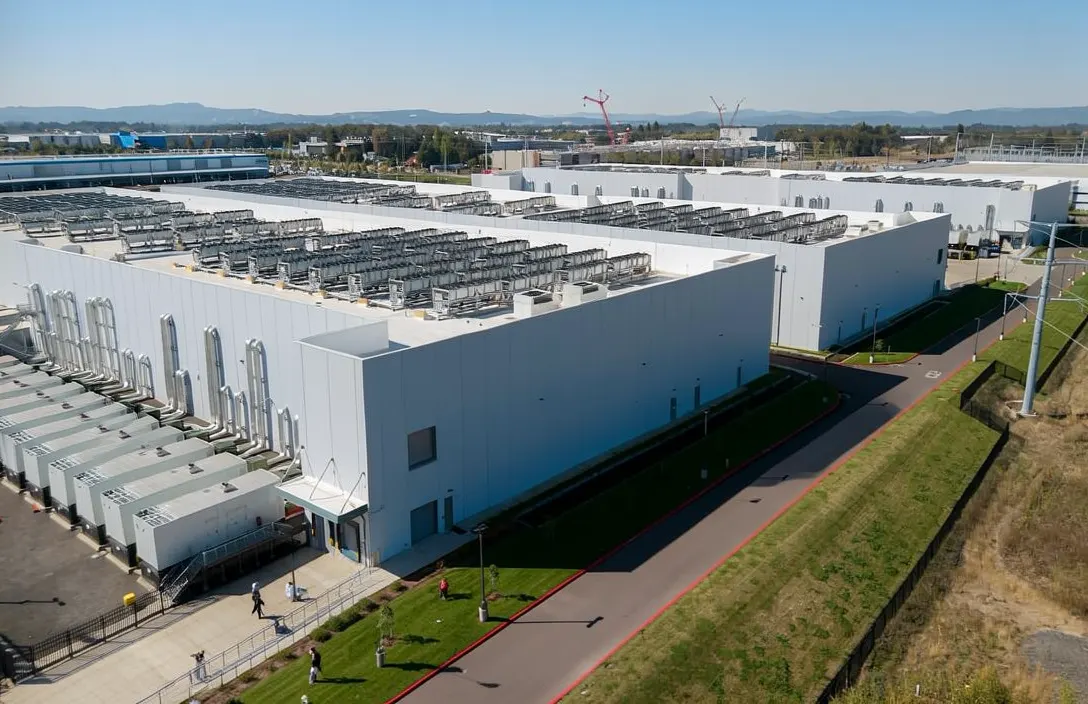

A new Harvard University study estimates that the 400 largest U.S. data centers produce as much carbon dioxide annually as the entire nation of Denmark, according to a report published by OPB. The study, which analyzed data between May 2024 and April 2025, found that these data centers emitted around 28.3 million tons (25.7 million metric tons) of carbon dioxide. This figure is two to three times higher than previous estimates, according to study senior author Francesca Dominici, a Harvard biostatistics professor (source ID 1). [1]
The emissions from these data centers are primarily attributed to their reliance on fossil fuels, with more than half of their 82 terawatt hours of electricity use coming from non-renewable sources. The study highlights that the environmental impact of data centers is significant, with the researchers noting that the expansion of artificial intelligence is likely to exacerbate the problem (source ID 1). [1]
The findings have led to a voluntary pledge at the United Nations COP31 climate talks in Antalya, Turkey, calling for data centers to be powered by clean energy and to be more transparent about their power and water consumption. The pledge also urges the use of artificial intelligence to address climate change, reflecting growing concerns about the environmental footprint of AI (source ID 1). [1]
A Harvard University study published Monday estimates that the 400 largest U.S. data centers emit as much heat-trapping gas in one year as the entire nation of Denmark did, according to the OPB: West Coast. The study, which looked at 403 of the largest U.S. data centers between May 2024 and April 2025, found that their electricity use produced around 28.3 million tons (25.7 million metric tons) of carbon dioxide. This figure is two to three times what previous studies had shown, according to study senior author Francesca Dominici, a Harvard biostatistics professor. The emissions are primarily attributed to their reliance on fossil fuels, with more than half of their 82 terawatt hours of electricity use coming from non-renewable sources, as noted in the study published in Nature Sustainability (source ID 1). [1]
Advertisement
The findings have led to a voluntary pledge at the United Nations COP31 climate talks in Antalya, Turkey, calling for data centers to be powered by clean energy and to be more transparent about their power and water consumption. The pledge, launched by U.N. climate talks host Turkey and the International Telecommunication Union, says data centers should use clean power and efficient energy and water systems. It also calls for AI systems to be designed and managed responsibly, using environmental standards and reusing or recycling infrastructure and hardware (source ID 1). [1]
The pledge reflects growing concerns about the environmental footprint of artificial intelligence and data centers. The study highlights that the environmental impact of data centers depends on where they are built, how efficiently they operate, and how their electricity is supplied. As the number of data centers is expected to grow significantly, experts emphasize the need for reliable measurements and disclosure to manage environmental impacts effectively (source ID 1). [1]
A new Harvard University study estimates that the 400 largest U.S. data centers emit as much heat-trapping gas in one year as the entire nation of Denmark did, according to a report by OPB: West Coast (source ID 1). The findings reveal that more than half of these data centers' 82 terawatt hours of electricity use—enough to power nearly 7 million homes for a year—comes from fossil fuels, which are the primary cause of global warming (source ID 1). The study, published in Nature Sustainability, estimates that the electricity use by these centers produced around 28.3 million tons of carbon dioxide, a figure two to three times higher than previous studies had shown (source ID 1). [1]
The findings have led to a voluntary pledge at the United Nations COP31 climate talks in Antalya, Turkey, calling for data centers to be powered by clean energy and to be more transparent about their power and water consumption, as reported by OPB: West Coast (source ID 1). The pledge, known as the 'Antalya Artificial Intelligence Pledge,' was launched by U.N. climate talks host Turkey and the International Telecommunication Union, emphasizing the need for data centers to use clean power and efficient energy and water systems (source ID 1). The pledge also calls for AI systems to be designed and managed responsibly, using environmental standards and reusing or recycling infrastructure and hardware (source ID 1). [1]
Advertisement
The pledge reflects growing concerns about the environmental footprint of artificial intelligence and data centers, as noted in the study and reported by OPB: West Coast (source ID 1). Experts in climate, energy, and artificial intelligence have acknowledged the study's findings as realistic, emphasizing the importance of reliable measurements and disclosure to manage environmental impacts effectively (source ID 1). The study highlights that the environmental footprint of AI is not fixed, depending on factors such as where data centers are built, how efficiently they operate, and how their electricity is supplied (source ID 1). [1]
A Harvard University study published Monday estimates that the 400 largest U.S. data centers emit more heat-trapping gases in one year than the entire nation of Denmark did, according to OPB: West Coast (source ID 1). The study, which analyzed electricity use and emissions from 403 of the largest U.S. data centers between May 2024 and April 2025, found that their electricity use produced around 28.3 million tons of carbon dioxide. This estimate is two to three times what previous studies had shown, as noted by the study’s senior author, Francesca Dominici, a Harvard biostatistics professor. [1]
The findings led to a voluntary pledge at the United Nations COP31 climate talks in Antalya, Turkey, calling for data centers to be powered by clean energy and to be more transparent about their power and water consumption, as reported by OPB: West Coast (source ID 1). The pledge, known as the 'Antalya Artificial Intelligence Pledge,' was launched by U.N. climate talks host Turkey and the International Telecommunication Union, urging companies and countries to use clean power and efficient energy and water systems for data centers. [1]
The pledge also calls for AI systems to be designed and managed responsibly, using environmental standards and reusing or recycling infrastructure and hardware, as noted by OPB: West Coast (source ID 1). It emphasizes the need to assess and share the environmental impacts of data centers and to support using artificial intelligence as a climate solution. The pledge reflects growing concerns about the environmental footprint of artificial intelligence and data centers, as noted in the study and reported by OPB: West Coast (source ID 1). [1]
Advertisement
The Cali Reporter newsletter
The stories worth your time.
California, the country, and what comes next. Join our free newsletter for reporting that keeps you informed.
More in West Coast
- COP31 Collapse Highlights Climate Negotiation Challenges
The collapse of COP31, the U.N. climate talks in Turkey, has underscored the difficulties in achieving global consensus on climate action, with experts emphasizing the need for reform and individual efforts moving…
- ScienceWorks Museum to Transition to Community Science Center
ScienceWorks Hands-On Museum in Ashland, Oregon, is pausing most activities and transitioning to a community science center with new resources for all ages, according to a report by Jefferson Public Radio.
- Seniors Embrace Tesla's Automated Driving Despite Safety Concerns
A growing number of older drivers are using Tesla's Full-Self Driving (Supervised) technology to maintain their independence, despite warnings from safety experts about potential risks.