Gilroy Homelessness Debate and the Role of the Ad Hoc Committee
A recent op-ed from Gilroy's mayor challenges the portrayal of the city's efforts to manage homelessness, emphasizing the distinction between the Homelessness Ad Hoc Committee and the Sixth Street encampment.

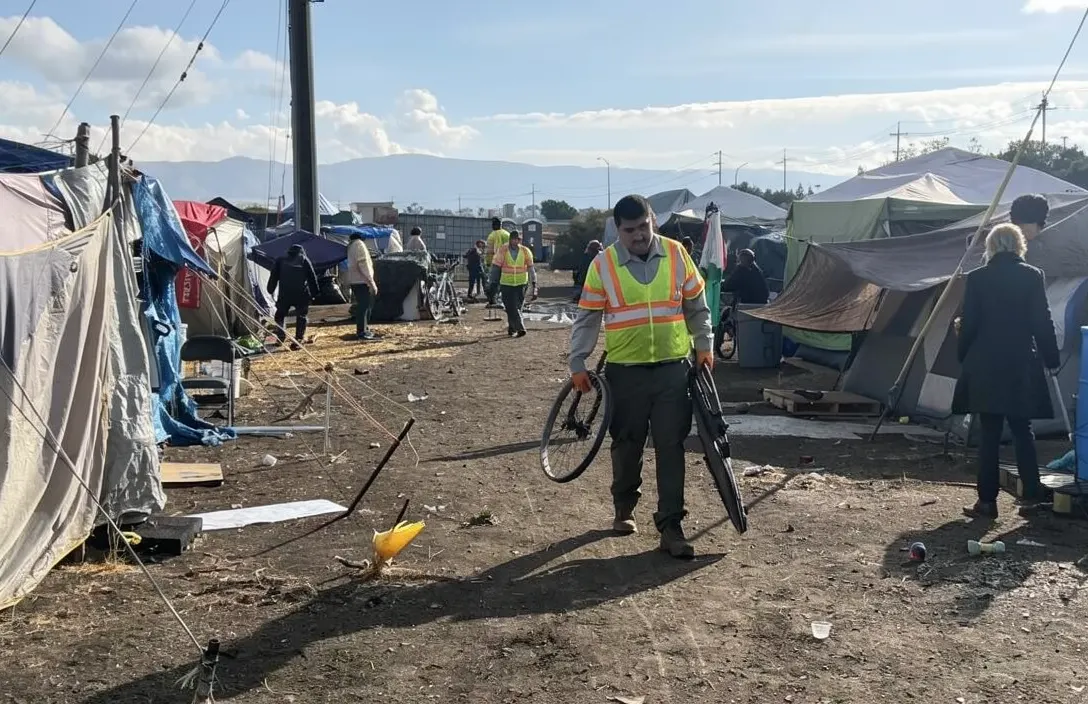
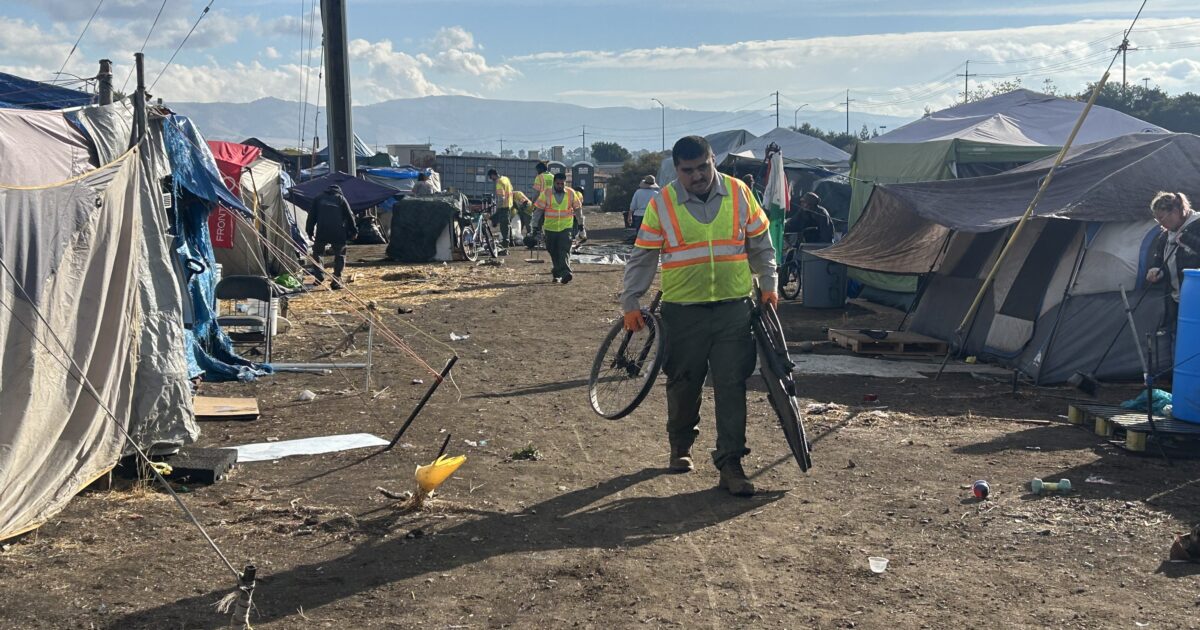
The recent San José Spotlight article “Gilroy homeless plan lacks details for next steps” has been criticized for providing a limited and misleading account of Gilroy’s efforts to address homelessness. The op-ed from Mayor Greg Bozzo highlights that the article overlooks important historical context and fails to explain the purpose of the Homelessness Ad Hoc Committee (source ID: 1). Bozzo clarifies that the article inaccurately suggests that the council majority’s decision to close the Sixth Street encampment, also known as Camp Hope, was a consequence of the committee’s work. In reality, the encampment’s future had been under council discussion for nearly a year, entirely separate from the committee’s activities. [1]
The mayor emphasizes that the city chose to work with residents of the Sixth Street encampment when they relocated to city-owned property, allowing them to temporarily self-manage the site. The original intent was to offer outreach, sanitation, and connections to services while the city explored long-term solutions. The council majority extended the arrangement multiple times, but the site was always intended to be temporary (source ID: 1). This history is essential to understanding the council’s decisions and the broader context of the encampment’s management. [1]
Bozzo also criticizes the article for placing unrealistic expectations on the Homelessness Ad Hoc Committee. He argues that it is unreasonable to expect the committee to produce a detailed solution to homelessness in just seven months, given the complexity of the issue and the substantial investments already made by California and its counties (source ID: 1). The committee’s purpose was to examine existing approaches, learn from other communities, and identify opportunities for improvement, not to deliver a fully funded solution immediately. [1]
Mayor Greg Bozzo has responded to the San José Spotlight article 'Gilroy homeless plan lacks details for next steps,' which he claims provides a 'limited and misleading account' of the city’s efforts to address homelessness. Bozzo emphasizes that the city chose to work with residents of the Sixth Street encampment, also known as Camp Hope, when they relocated to city-owned property, allowing them to temporarily self-manage the site (Source ID: 1). [1]
Advertisement
Bozzo criticizes the article for failing to distinguish between the Sixth Street encampment and the Homelessness Ad Hoc Committee, noting that while both involve the broader challenges of homelessness, they have different histories and purposes. He clarifies that the decision to close the encampment was not a result of the committee’s work but rather a decision that had been under council discussion for nearly a year, entirely separate from the committee’s efforts (Source ID: 1). [1]
The mayor highlights that the council unanimously expressed interest in advancing the conversation about a managed site somewhere in Gilroy, one that is better managed, has agreed-upon outcomes, and complies with the law. He argues that the article places unrealistic expectations on the Homelessness Ad Hoc Committee, suggesting that it was unreasonable to expect a detailed solution at its first update to the council (Source ID: 1). [1]
Bozzo further explains that the Homelessness Ad Hoc Committee was not tasked with delivering a comprehensive solution to homelessness in a short timeframe but rather to bring together various stakeholders to examine existing approaches and identify opportunities for improvement. The Nov. 2 City Council meeting was intended to provide an update on the committee’s progress and obtain further council direction — not present a final, fully funded solution (Source ID: 1). [1]
Mayor Greg Bozzo has criticized the San José Spotlight article 'Gilroy homeless plan lacks details for next steps' for providing a 'limited and misleading account' of the city's efforts to address homelessness. According to the article, the mayor emphasizes that the city chose to work with residents of the Sixth Street encampment when they relocated to city-owned property, allowing them to temporarily self-manage the site (Source ID: 1). [1]
Advertisement
The mayor highlights that the article fails to distinguish between the Sixth Street encampment, also known as Camp Hope, and the Homelessness Ad Hoc Committee. Although both involve the broader challenges of homelessness, they have different histories and purposes. The mayor notes that the council unanimously expressed interest in advancing the conversation about a managed site somewhere in Gilroy — one that is better managed, has agreed-upon outcomes, and complies with the law (Source ID: 1). [1]
The Sixth Street encampment's history also deserved attention. Its residents had previously been displaced from another jurisdiction’s property. When they relocated to city-owned property near Sixth Street, the city chose to work with them rather than immediately displace them again. The original intent was to allow people to temporarily self-manage the site while the city and service providers offered outreach, sanitation, and connections to services (Source ID: 1). [1]
Perhaps most concerning is the unrealistic expectation the article places on the Homelessness Ad Hoc Committee. Criticizing the committee for not producing a detailed solution at its first update to council demonstrates a fundamental misunderstanding of its assignment and the complexity of homelessness (Source ID: 1). [1]
Sources
Prepared with AI assistance from the cited sources.
The Cali Reporter newsletter
The stories worth your time.
California, the country, and what comes next. Join our free newsletter for reporting that keeps you informed.
More in San Jose
- Bay Area Nonprofits Provide Thanksgiving Meals Amid Rising Food Insecurity
As living costs rise in Silicon Valley, local nonprofits are stepping up to provide Thanksgiving meals and groceries for residents facing food insecurity.
- San Jose Data Center Standards Move Forward With Commission Approval
The San Jose Planning Commission has moved forward with proposed data center standards, including a shift in authority for approving large projects.
- Heavy Rainfall and Flooding Impact San Jose
San Jose experienced significant rainfall and flooding, leading to stalled vehicles and disrupted transportation, according to local news reports.