Funding Cuts Heighten Refugee Children's Vulnerability to Exploitation
New studies reveal that reduced funding for refugee protection services is increasing the risk of trafficking and exploitation for children in Bangladesh and Ethiopia.

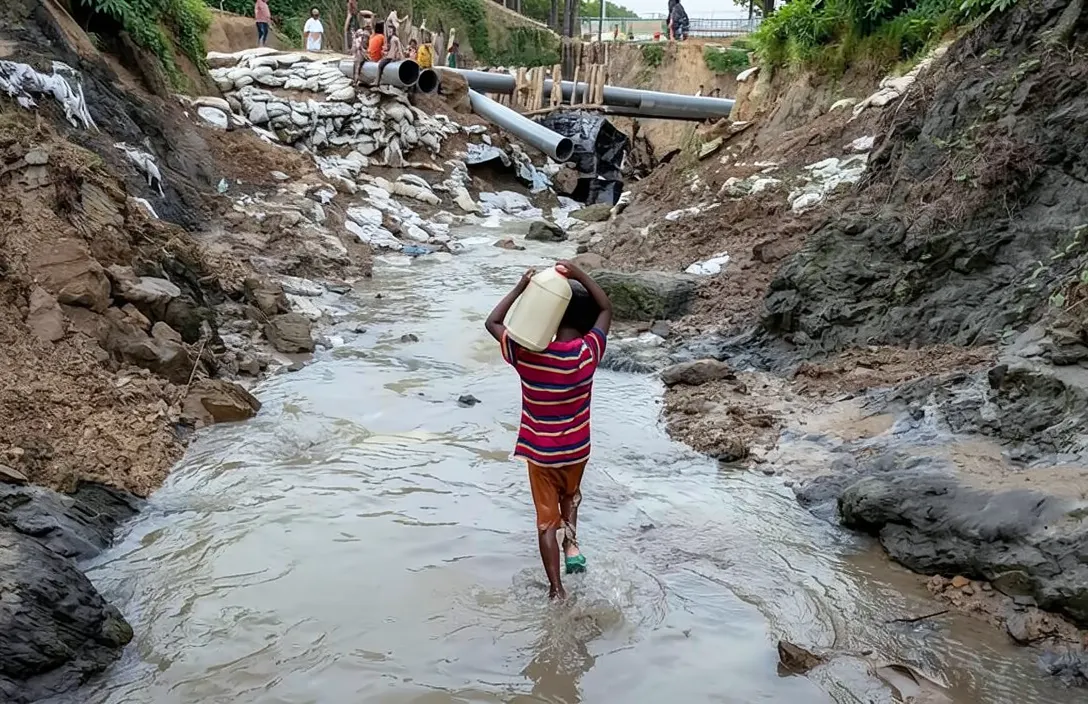
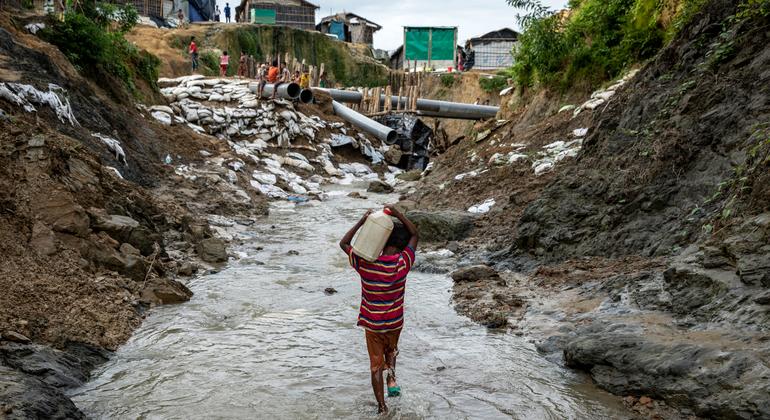
Funding cuts have raised the risk of trafficking and exploitation for refugee children in Bangladesh and Ethiopia, according to studies published by the UN refugee agency, UNHCR, and Oxford University. These reports highlight the urgent need for action as protection services and essential assistance such as shelter and education are slashed simultaneously, weakening critical security measures and exposing vulnerable refugees to exploitation, hazardous labour, and trafficking (Source ID: 1). [1]
In Bangladesh, the number of detected trafficking cases increased by 28 per cent between 2024 and 2025, with children accounting for 17 per cent of victims. Between January and September 2026, 411 victims of trafficking were identified, with nearly 23 per cent being children. These findings come as the Rohingya refugee population in Bangladesh increased by roughly 17 per cent, or more than 170,000 people, while UNHCR’s operational budget fell by more than eight per cent in 2025 and faced a 59 per cent funding gap (Source ID: 1). [1]
In Ethiopia, funding cuts have significantly reduced protection services for refugee children, who make up more than half of the 1.1 million refugees in the country. Most are from South Sudan, Somalia, Eritrea, and Sudan, including 31,000 children who have been separated from their parents or guardians. In 2025, UNHCR’s Ethiopia operation was less than one-third funded, while only 18 per cent of planned child protection requirements were covered (Source ID: 1). [1]
Funding cuts have raised the risk of trafficking and exploitation for refugee children in Bangladesh and Ethiopia, as reported by the UN refugee agency, UNHCR, and Oxford University. In Bangladesh, the number of detected trafficking cases increased by 28 per cent between 2024 and 2025, with children accounting for 17 per cent of victims. This rise is attributed to the simultaneous reduction in protection services and essential assistance such as shelter and education (Source ID: 1). [1]
Advertisement
In Ethiopia, funding cuts have significantly reduced protection services for refugee children, who make up more than half of the 1.1 million refugees in the country. Most are from South Sudan, Somalia, Eritrea, and Sudan, including 31,000 children who have been separated from their parents or guardians. In 2025, UNHCR’s Ethiopia operation was less than one-third funded, while only 18 per cent of planned child protection requirements were covered (Source ID: 1). [1]
The report’s authors noted a worrying rise in child labour among refugees, including in agriculture and informal mining areas. As a result, already vulnerable refugee children – particularly those who fled alone, were separated from their families, or girls – are more exposed to exploitation, sexual violence, child marriage and trafficking for forced labour and sexual exploitation (Source ID: 1). [1]
Funding cuts have raised the risk of trafficking and exploitation for refugee children in Bangladesh and Ethiopia, according to studies published by the UN refugee agency, UNHCR, and Oxford University. These studies highlight the urgent need for action as protection services and essential assistance such as shelter and education are slashed simultaneously, weakening critical security measures and exposing already vulnerable refugees to exploitation, hazardous labour and trafficking (Source ID: 1). [1]
In Bangladesh, detected trafficking cases increased by 28 per cent between 2024 and 2025, with children accounting for 17 per cent of victims. Between January and September 2026, 411 victims of trafficking were identified, with nearly 23 per cent being children. This increase coincides with a rise in the Rohingya refugee population and a significant reduction in UNHCR’s operational budget (Source ID: 1). [1]
Advertisement
In Ethiopia, funding cuts have significantly reduced protection services for refugee children, who make up more than half of the 1.1 million refugees in the country. Most are from South Sudan, Somalia, Eritrea and Sudan, including 31,000 children who have been separated from their parents or guardians. In 2025, UNHCR’s Ethiopia operation was less than one-third funded, while only 18 per cent of planned child protection requirements were covered (Source ID: 1). [1]
The report’s authors noted a worrying rise in child labour among refugees, including in agriculture and informal mining areas. This has left already vulnerable refugee children, particularly those who fled alone or were separated from their families, more exposed to exploitation, sexual violence, child marriage and trafficking for forced labour and sexual exploitation (Source ID: 1). [1]
Sources
Prepared with AI assistance from the cited sources.
The Cali Reporter newsletter
The stories worth your time.
California, the country, and what comes next. Join our free newsletter for reporting that keeps you informed.
More in World
- Irish Man Charged with Destroying U.S. Military Aircraft at Shannon Airport
A man from Ireland has been indicted for allegedly destroying a U.S. military aircraft at Shannon Airport, according to prosecutors in New York.
- Trump's APEC Summit and Strategic Meetings
President Donald Trump is set to attend the APEC summit in Shenzhen, China, where he is expected to meet with Chinese President Xi Jinping and participate in a trilateral meeting with Russian President Vladimir Putin,…
- Early Snowfall in Northern England and Scotland
Snowfall occurred in parts of Northern England and southern Scotland, with subsequent melting due to milder temperatures, according to the BBC.