

Fresno City Council to Consider First Utility Rate Adjustments in Nearly a Decade
Proposed changes to water and sewer billing face scrutiny as officials debate whether the hikes target aging infrastructure or future development projects.
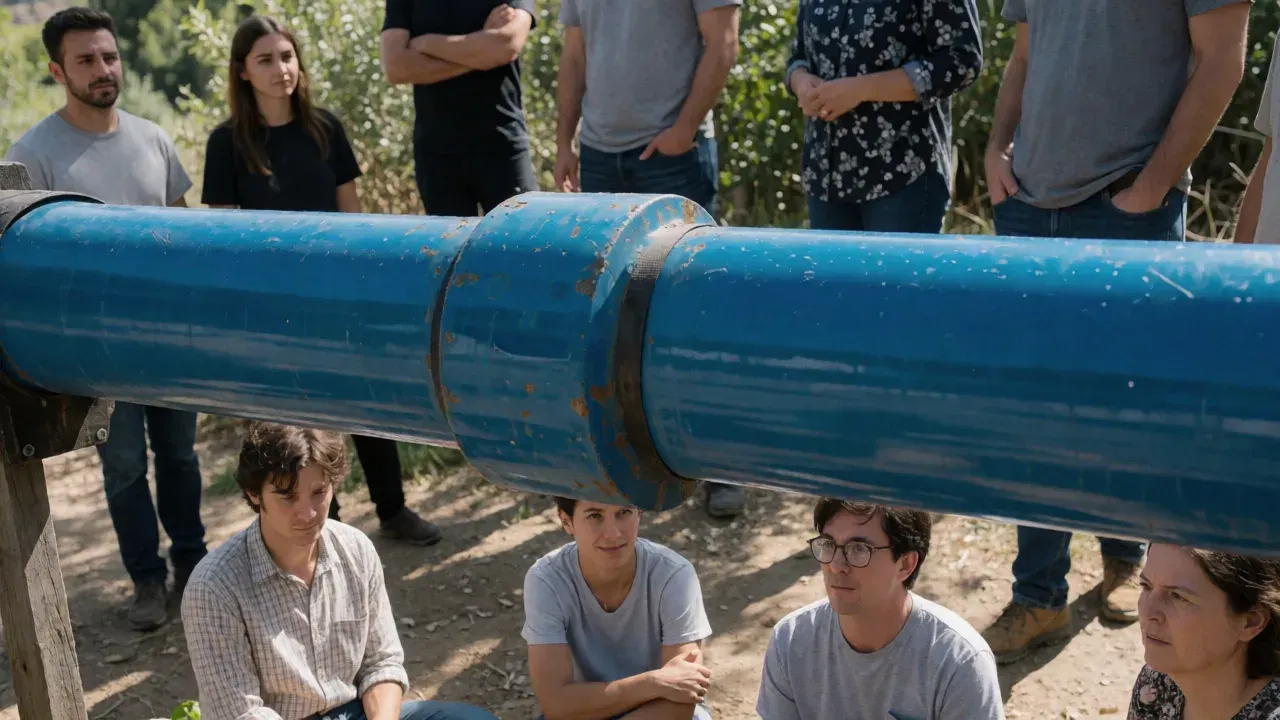
The Fresno City Council is scheduled to deliberate on a proposal that could implement the first increases to municipal water and sewer rates in several years. According to a report by Fresnoland, water rates have not been adjusted for nearly ten years, while sewer rates have remained unchanged for 16 years. If the council approves the next stage of this five-year adjustment plan, a typical resident could see their monthly water bill rise by approximately $1.77 during the initial year. Conversely, the same resident might see a $0.95 reduction in their sewer bill due to a restructuring of how rates are applied to residential, commercial, and industrial users.
Conflicting Perspectives on Rate Drivers
The proposed adjustments have sparked a debate regarding the true motivation behind the fiscal changes. Mayor Jerry Dyer has stated that the increases are necessary to address the maintenance of aging infrastructure, which he suggested could become a safety concern without intervention. Dyer noted that his administration has been evaluating this issue for several years and decided that the rate hikes were now an essential requirement. He attributed the need for more revenue to rising operational expenses, including the costs of chemicals for treatment, energy, and staffing, as well as the necessity of meeting various regulatory standards.
However, Councilmember Miguel Arias has expressed skepticism regarding the necessity of the hikes. Arias suggested that the rate increases might be higher than required because they would allow the city to secure more funding for future bonds, which he believes is intended to support the Southeast Development Area, or SEDA, project. He characterized the city's allocation of funds for unspecified capital projects as a placeholder for SEDA development. Arias further argued that there is no immediate financial requirement for these hikes, pointing to recent significant infusions of capital, such as a $233 million settlement with Shell and Dow regarding water contamination and nearly $300 million in state investments for infrastructure in Chinatown and downtown Fresno.

Debate Over Funding Allocation and SEDA
The relationship between these utility hikes and the SEDA project remains a point of contention among city leaders. A staff report regarding the first phase of SEDA recently proposed using utility department reserves or implementing resident surcharges to fund an $86 million bond for the development's initial sewer line. While Arias views the rate hikes as a mechanism to support such future projects, Mayor Dyer has explicitly denied any connection between the utility increases and SEDA. Dyer clarified that the settlement funds are restricted to specific city wells and that state infrastructure investments are limited to a small number of neighborhoods.
Dyer maintained that even with those external funds, the city cannot avoid an overall rate increase for the entire municipality, particularly to support older neighborhoods. He emphasized that the revenue generated from these adjustments is intended to replace infrastructure in long-standing residential areas rather than to fund the city's future expansion or the SEDA project. The restructuring of sewer rates is also intended to prevent residential customers from subsidizing the costs incurred by industrial and commercial entities, according to the mayor.
Procedural Concerns and Next Steps
The process by which the council intends to handle the item has also drawn criticism. The proposal is currently listed on the council's consent agenda, which allows for items to be passed without individual discussion. Arias has criticized this approach, describing the decision to place the item on the consent agenda as irrational. He has called for the item to be tabled to allow for more extensive community engagement and public discourse before any final decisions are made. Arias noted that the utilities department is currently at maximum capacity with construction projects in downtown Fresno and Chinatown, suggesting there is no immediate urgency to implement the new rates.
If the council decides to move forward with the proposal, the process will include a formal public hearing scheduled for December 3. For now, the council's upcoming vote will determine whether the city proceeds with the pursuit of this new rate structure. City documents indicate that the funds from the adjusted rates are earmarked for various projects, including the construction of new wells and the renewal of water mains, as well as increasing operating reserves to cover unforeseen or emergency expenses.
Source: Fresnoland. Prepared with AI assistance from the linked reporting.
More in Fresno
- Arambula and Thomas Face Off in Rematch for Fresno City Council District 3
Two veteran leaders—Assemblymember Joaquin Arambula and Fresno Unified Trustee Keshia Thomas—compete in November for the District 3 seat vacated by term-limited Councilmember Miguel Arias.
- Uncle Tom’s in Fresno: A 105-Year-Old Bar with Deep Roots and a Surprising Name Origin
Once dismissed as a quirky or even provocative moniker, Uncle Tom’s has anchored a First Street corridor in Fresno for over a century—operated by the same family, evolving with the city, and quietly preserving a rich local legacy.
- Privatizing Fresno County’s Library Faces Uphill Battle Amid Supervisor Divisions
A supermajority is needed for approval, but two Democratic supervisors oppose the move while others remain uncommitted pending a financial report due late October.