Forever Chemicals Linked to Aggressive Breast Cancer Risk
New research suggests that higher levels of two common PFAS chemicals may be associated with an increased risk of ER-negative breast cancer, a particularly aggressive form of the disease.

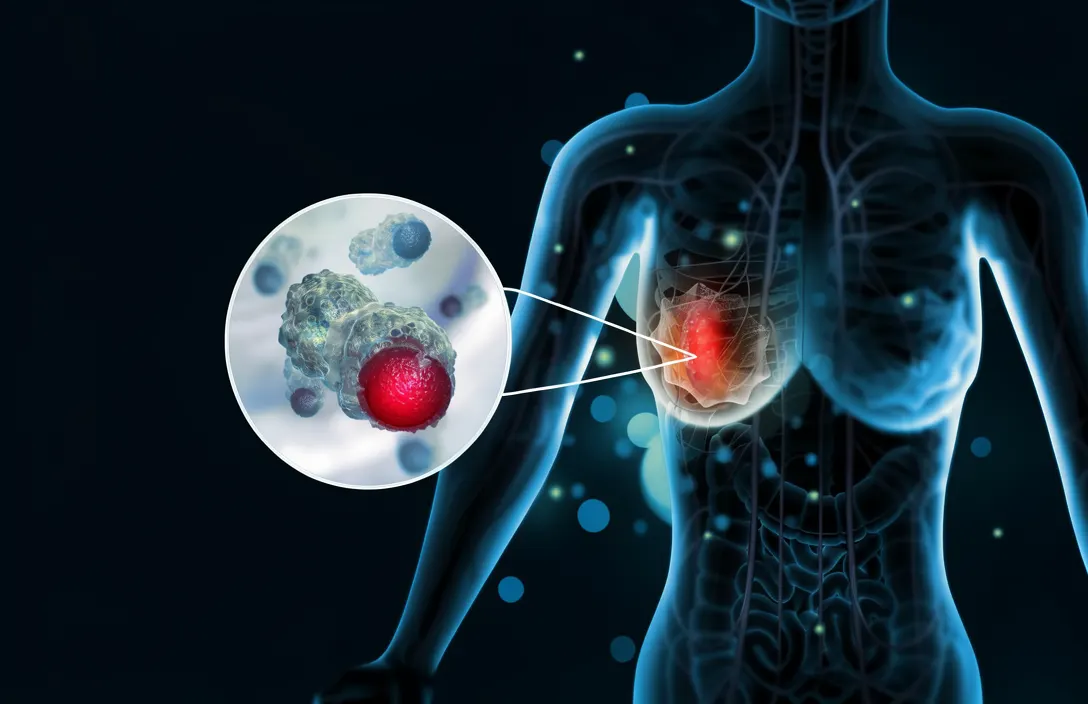
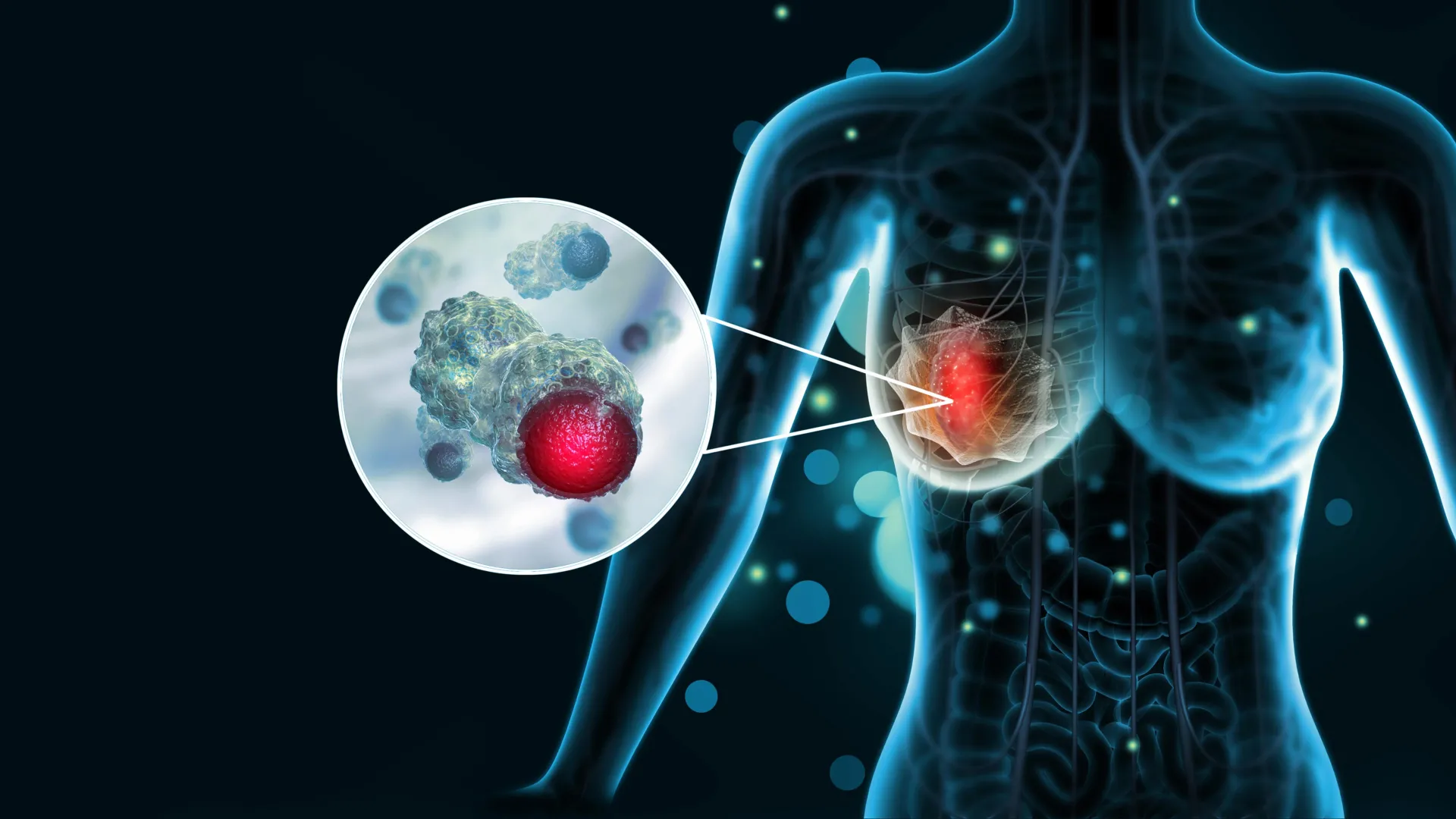
A new study from the National Institutes of Health (NIH) indicates that women with higher blood levels of perfluorooctanoic acid (PFOA) and perfluorooctanesulfonic acid (PFOS) may face an increased risk of developing estrogen receptor-negative (ER-negative) breast cancer. The research, published in the Journal of Clinical Oncology, found that women in the highest PFOA exposure group had a 67% higher rate of ER-negative breast cancer compared to those in the lowest group. For PFOS, the association was even stronger, with the highest exposure group showing a 93% higher rate (Source ID: 1). [1]
The study used data from the Sister Study, which enrolled 50,884 women between 2003 and 2009. Researchers analyzed blood samples collected before participants developed breast cancer and compared exposure levels to subsequent outcomes. The findings suggest that exposure to certain persistent environmental chemicals could be a contributing factor to ER-negative breast cancer, a more aggressive tumor type with few known risk factors (Source ID: 1). [1]
ER-negative breast cancer differs from more common forms because its tumor cells lack the receptors that allow estrogen to stimulate cancer growth. These cancers are generally more aggressive and have poorer outcomes. The study used a meta-analysis of prior research to confirm the association between PFOA, PFOS, and ER-negative breast cancer. However, the findings establish an association, not proof that the chemicals directly cause the disease (Source ID: 1). [1]
A new study from the National Institutes of Health (NIH) indicates that women with higher blood levels of perfluorooctanoic acid (PFOA) and perfluorooctanesulfonic acid (PFOS) may face an increased risk of developing estrogen receptor-negative (ER-negative) breast cancer (1). The study used data from the Sister Study, which enrolled 50,884 women between 2003 and 2009. ER-negative breast cancer differs from more common forms because its tumor cells lack the receptors that allow estrogen to stimulate cancer growth (1). [1]
Advertisement
The study identified a connection between estrogen receptor-negative, or ER-negative, breast cancer and two widely encountered chemicals: PFOA and PFOS. Women with greater concentrations of these substances in their blood were more likely to develop this type of cancer. However, researchers found no clear link between either chemical and breast cancer risk overall (1). Both substances belong to a large family of per- and polyfluoroalkyl substances, commonly called PFAS. These chemicals have been used in numerous everyday consumer products and are often described as 'forever chemicals' because they resist breaking down in the environment (1). [1]
Women in the highest PFOA exposure group had a 67% higher rate of ER-negative breast cancer than women in the lowest group. The association was even stronger for PFOS, with the highest exposure group showing a 93% higher rate, nearly twice that of the lowest group. These percentages represent relative differences between groups rather than the absolute probability that an individual woman will develop breast cancer (1). The findings also establish an association, not proof that the chemicals directly cause the disease (1). [1]
The analysis used data from the Sister Study, a major research project conducted by NIH's National Institute of Environmental Health Sciences (NIEHS). Between 2003 and 2009, the study enrolled 50,884 women ages 35-74 from across the United States and Puerto Rico. All participants were free of breast cancer when they enrolled, although each had a full or half-sister who had already been diagnosed with the disease (1). [1]
A study from the National Institutes of Health (NIH) indicates that women with higher blood levels of perfluorooctanoic acid (PFOA) and perfluorooctanesulfonic acid (PFOS) may face an increased risk of developing estrogen receptor-negative (ER-negative) breast cancer (1). The study identified a connection between ER-negative breast cancer and these two widely encountered chemicals. Women in the highest PFOA exposure group had a 67% higher rate of ER-negative breast cancer than women in the lowest group. The analysis used data from the Sister Study, a major research project conducted by NIH's National Institute of Environmental Health Sciences (NIEHS). [1]
Advertisement
The study found that the association was even stronger for PFOS, with the highest exposure group showing a 93% higher rate of ER-negative breast cancer compared to the lowest group (1). These percentages represent relative differences between groups rather than the absolute probability that an individual woman will develop breast cancer. The findings also establish an association, not proof that the chemicals directly cause the disease. The analysis used data from the Sister Study, which enrolled 50,884 women between 2003 and 2009. [1]
The study examined blood samples collected years before participants received a cancer diagnosis, allowing researchers to measure concentrations of 17 different PFAS chemicals and compare earlier exposure levels with subsequent breast cancer outcomes (1). The findings were published in the Journal of Clinical Oncology. Researchers emphasize that exposure to PFAS is not necessarily unavoidable, but exposure is potentially modifiable, meaning people can take steps to reduce their exposure. [1]
Women with higher blood levels of perfluorooctanoic acid (PFOA) and perfluorooctanesulfonic acid (PFOS) may face an increased risk of developing estrogen receptor-negative (ER-negative) breast cancer, according to a study from the National Institutes of Health (NIH) (1). The research identified a connection between these two widely encountered chemicals and ER-negative breast cancer, a form of the disease that lacks estrogen receptors and is often more aggressive than other types. The study used data from the Sister Study, which enrolled 50,884 women between 2003 and 2009, and analyzed blood samples collected years before participants received a cancer diagnosis (1). [1]
Women in the highest PFOA exposure group had a 67% higher rate of ER-negative breast cancer than women in the lowest group, according to the study (1). The association was even stronger for PFOS, with the highest exposure group showing a 93% higher rate of ER-negative breast cancer compared to the lowest group (1). The analysis used data from the Sister Study, a major research project conducted by NIH's National Institute of Environmental Health Sciences (NIEHS) (1). [1]
Advertisement
The findings suggest that exposure to certain persistent environmental chemicals could be one contributing factor to the development of ER-negative breast cancer, a more aggressive tumor type with few known risk factors (1). The study examined blood samples collected years before participants received a cancer diagnosis, allowing researchers to measure concentrations of 17 different PFAS chemicals and compare earlier exposure levels with subsequent breast cancer outcomes (1). [1]
Sources
ScienceDaily Health & Medicine
Prepared with AI assistance from the cited sources.
The Cali Reporter newsletter
The stories worth your time.
California, the country, and what comes next. Join our free newsletter for reporting that keeps you informed.
More in Health & Medicine
- Brain Energy Mismatches in Schizophrenia
A new study explores the potential role of energy bottlenecks in brain cells in explaining fragmented experiences of time, space, and self in schizophrenia.
- Brazil Reports First Mpox Death in 2026
Brazil has recorded its first mpox-related death in 2026, but public health officials are not classifying the current surge in cases as an outbreak, according to the Fiocruz Institute.
- Personalized Therapies for IBD May Target Specific Harmful Gut Bacteria
A study led by Dr. Lukas Mager and Prof. Kathy McCoy has identified two gut bacteria that promote inflammation in inflammatory bowel disease, opening the door for personalized treatments.