Forensic Expert Questions Cause of Jeffrey Epstein's Death
A forensic expert has raised new questions about the cause of death of Jeffrey Epstein, suggesting that his death in prison may have been the result of a homicide rather than suicide.

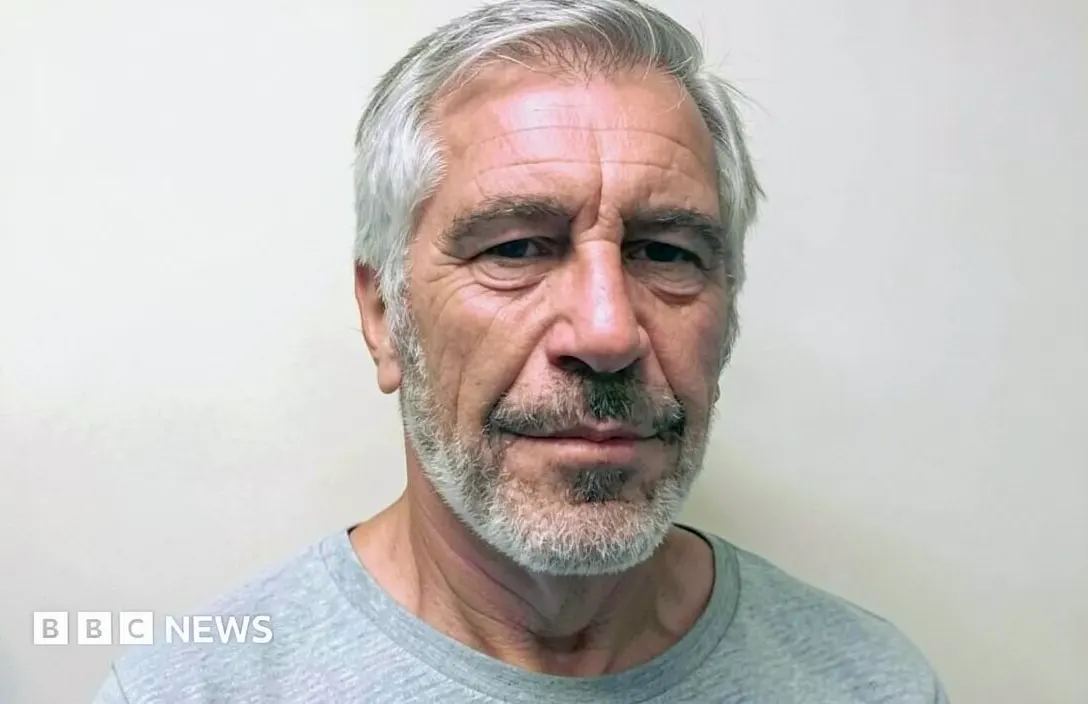

A forensic expert, Professor Michael Freeman, has stated that he believes Jeffrey Epstein's death in prison was the result of a homicide, not suicide. Speaking to BBC Newsnight, Freeman reviewed the New York City medical examiner's file and concluded that Epstein was likely strangled, most likely from behind (1). [1]
The medical examiner who performed the autopsy at the time, Dr. Barbara Sampson, ruled that Epstein's death was a suicide, stating that there was no evidence of the defensive wounds expected in a homicide (1). Sampson has previously maintained her determination of the cause and manner of death for Epstein. [1]
Freeman based his conclusions on the files and photographs from the examiner's report provided to him by Epstein's brother, Mark Epstein. He stated that his analysis is independent and that he was not paid by Mark Epstein. Freeman's research has not been peer reviewed (1). [1]
Freeman noted signs indicating an assault on Epstein, including a deep haemorrhage to his left shoulder and injuries consistent with being struck in the face. He suggested that the evidence was most consistent with strangulation using a ligature (1). [1]
Advertisement
A forensic expert, Professor Michael Freeman, has stated that he believes Jeffrey Epstein's death in prison was the result of a homicide, not suicide. Freeman based his conclusions on the files and photographs from the New York City medical examiner's report provided to him by Epstein's brother, Mark Epstein. Freeman noted signs indicating an assault on Epstein, including a deep haemorrhage to his left shoulder and injuries consistent with being struck in the face. These findings were presented during a public discussion in London, where Freeman emphasized that his analysis was independent and not funded by Epstein's family (source ID: 1). [1]
Freeman suggested that the injuries on Epstein's body were most consistent with strangulation using a ligature, and that the same ligature was likely used to suspend the body from the bunk bed. He pointed to fingernail marks above the ligature mark on Epstein's neck, which he said were consistent with strangulation from behind. Freeman also noted that the injuries and the way the body was found did not match the typical signs of a suicide by hanging, leading him to conclude that the death was a result of a homicide (source ID: 1). [1]
The medical examiner who performed the autopsy at the time, Dr. Barbara Sampson, ruled that Epstein's death was a suicide, stating that there was no evidence of defensive wounds expected in a homicide. Sampson has reiterated her stance on multiple occasions, emphasizing that her determination was based on the evidence available at the time. Freeman, however, has called for a re-examination of the evidence, stating that if the body had been found in a situation consistent with a hanging, a photograph would have been taken before the body was removed from the bunk bed (source ID: 1). [1]
Professor Michael Freeman, a forensic expert, has stated that he believes Jeffrey Epstein's death in prison was the result of a homicide, not suicide. Speaking to BBC Newsnight, Freeman said that after reviewing the New York City medical examiner's file, he believes Epstein was strangled, most likely from behind (source ID: 1). [1]
Advertisement
Freeman noted signs indicating an assault on Epstein, including a deep haemorrhage to his left shoulder and injuries consistent with being struck in the face. He suggested that the injuries on Epstein's body were most consistent with strangulation using a ligature, and that the same ligature was likely used to suspend the body from the bunk bed (source ID: 1). [1]
The medical examiner who performed the autopsy at the time, Dr. Barbara Sampson, concluded in 2019 that Epstein's injuries were consistent with suicide and there was no evidence of the defensive wounds expected if his death had been a homicide. Sampson has previously stated that she stands firmly behind her determination of the cause and manner of death for Mr. Epstein (source ID: 1). [1]
A forensic expert, Professor Michael Freeman, has stated that he believes Jeffrey Epstein's death in prison was the result of a homicide, not suicide. Speaking to BBC Newsnight, Freeman said that after reviewing the New York City medical examiner's file he believes Epstein was strangled, most likely from behind (source ID 1). [1]
Freeman noted signs indicating an assault on Epstein, including a deep haemorrhage to his left shoulder and injuries consistent with being struck in the face. He also suggested that the injuries on Epstein's body were most consistent with strangulation using a ligature, and that the same ligature was likely used to suspend the body from the bunk bed (source ID 1). [1]
Advertisement
The medical examiner who performed the autopsy at the time, Dr. Barbara Sampson, concluded in 2019 that Epstein's injuries were consistent with suicide and there was no evidence of the defensive wounds expected if his death had been a homicide. Sampson has previously stated that she stands firmly behind her determination of the cause and manner of death for Epstein (source ID 1). [1]
Sources
Prepared with AI assistance from the cited sources.
The Cali Reporter newsletter
The stories worth your time.
California, the country, and what comes next. Join our free newsletter for reporting that keeps you informed.
More in World
- Irish Man Charged with Destroying U.S. Military Aircraft at Shannon Airport
A man from Ireland has been indicted for allegedly destroying a U.S. military aircraft at Shannon Airport, according to prosecutors in New York.
- Trump's APEC Summit and Strategic Meetings
President Donald Trump is set to attend the APEC summit in Shenzhen, China, where he is expected to meet with Chinese President Xi Jinping and participate in a trilateral meeting with Russian President Vladimir Putin,…
- Early Snowfall in Northern England and Scotland
Snowfall occurred in parts of Northern England and southern Scotland, with subsequent melting due to milder temperatures, according to the BBC.