Feds Float New Evidence in Polymarket Case Involving Soldier
Federal prosecutors have revealed new evidence in the case of a US soldier accused of using classified information to place bets on Polymarket regarding Venezuela and Maduro.

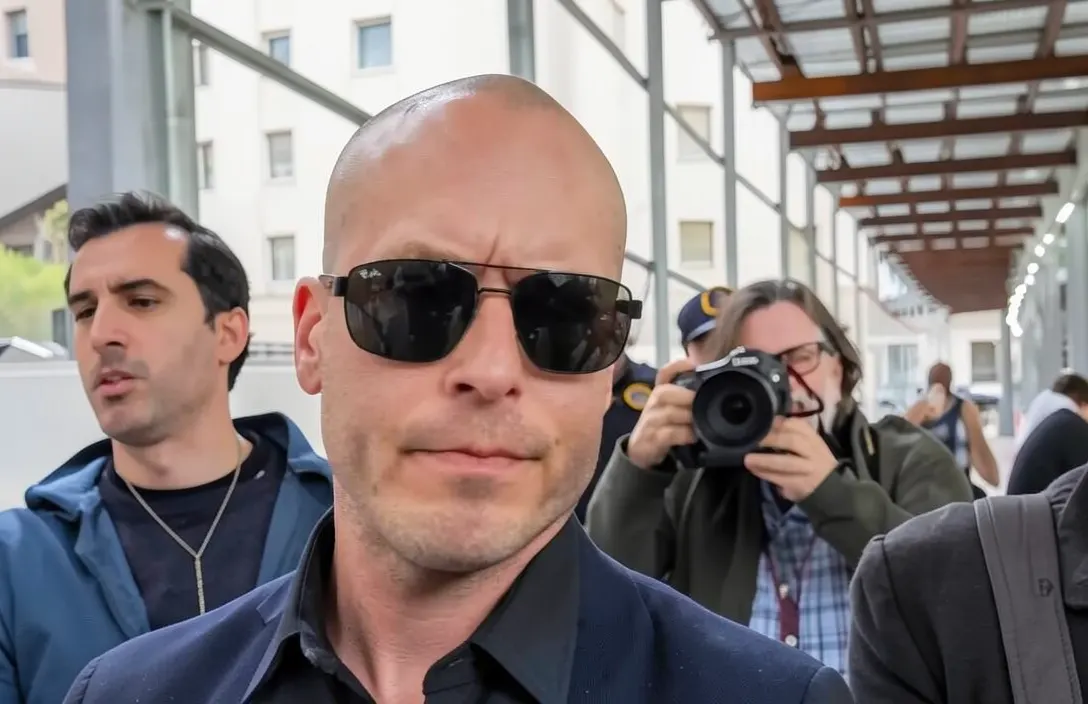
Federal prosecutors have revealed new evidence in the case of Gannon Van Dyke, a US soldier accused of using classified information to place bets on Polymarket regarding Venezuela and Nicolás Maduro. According to a November 11 letter from prosecutors to Van Dyke's legal team, new evidence shows that Van Dyke, a Special Forces master sergeant based at Fort Bragg in North Carolina, photographed classified information from U.S. Government systems using his personal cellphone between at least 2024 and October 2025 (Business Insider, 1). [1]
Van Dyke, who was arrested in April and accused of winning over $400,000 by wagering on Polymarket, is facing a trial on December 7. Prosecutors argue that the evidence is admissible to show Van Dyke's opportunity to access classified information and his knowledge that such information may be classified (Business Insider, 1). [1]
Van Dyke's legal team has argued that the prosecution did not meet the bar for introducing this evidence under Rule 404(b), which allows for evidence unrelated to the specific acts alleged in the indictment to be brought up at trial under certain circumstances. They accuse the government of attempting to create unfair surprise and muddy Van Dyke's reputation by alleging he committed another purported bad act not charged in the indictment (Business Insider, 1). [1]
Federal prosecutors have revealed that Gannon Van Dyke, a US soldier accused of using classified information to place bets on Polymarket, repeatedly photographed classified documents with his personal cellphone. This evidence was disclosed in a November 11 letter from prosecutors to Van Dyke's legal team, according to Business Insider. The letter states that between at least 2024 and October 2025, Van Dyke photographed information marked classified from US Government systems using his personal cellphone. The evidence is being presented to show the defendant's opportunity to access classified information and to demonstrate an absence of mistake or accident in the use of classified information. [1]
Advertisement
Prosecutors cited Rule 404(b), which allows for evidence unrelated to the specific acts alleged in the indictment to be brought up at trial under certain circumstances. Van Dyke, who was arrested in April and accused of winning over $400,000 by wagering on Polymarket, is facing a trial on December 7. His legal team has argued that the prosecution did not meet the bar for introducing this evidence under Rule 404(b), which allows for evidence unrelated to the specific acts alleged in the indictment to be brought up at trial under certain circumstances. [1]
Van Dyke's legal team has argued that the prosecution's introduction of this evidence is an attempt at unfair surprise and seeks only to muddy Van Dyke's reputation by alleging he committed another purported bad act not charged. Van Dyke, who pled not guilty and is out on bail, is set to face trial on December 7, but that could be delayed by last-minute matters. Prosecutors have said Van Dyke was involved in the planning and execution of the operation to depose Maduro and had access to classified information about it. [1]
Federal prosecutors have revealed that Gannon Van Dyke, a US soldier accused of using classified information to place bets on Polymarket, repeatedly photographed classified documents with his personal cellphone. This new evidence was disclosed weeks before Van Dyke's trial, which is set for December 7. Prosecutors claim the evidence is admissible to demonstrate Van Dyke's opportunity to access classified information and his knowledge that such information may be classified. This information was obtained from a November 11 letter from the prosecutors to Van Dyke's legal team, as reported by Business Insider (ID: 1). [1]
Van Dyke, who was arrested in April and accused of winning over $400,000 by wagering on Polymarket, has asked a federal judge to block the evidence from being presented to the jury. His legal team argues that the prosecution did not meet the legal bar for introducing this evidence under Rule 404(b), which allows for evidence unrelated to the specific acts alleged in the indictment to be brought up at trial under certain circumstances. They also claim that the government's introduction of this evidence is an attempt at unfair surprise and seeks to damage Van Dyke's reputation by suggesting he committed another uncharged bad act involving classified information. This argument is also sourced from Business Insider (ID: 1). [1]
Advertisement
Prosecutors have stated that Van Dyke was involved in the planning and execution of an operation to depose Nicolás Maduro and had access to classified information about it. The evidence presented in the November 11 letter claims that Van Dyke photographed classified information from U.S. Government systems using his personal cellphone between at least 2024 and October 2025. The legal battle over the admissibility of this evidence could potentially delay Van Dyke's trial, which is currently scheduled for December 7. This detail is also reported by Business Insider (ID: 1). [1]
Federal prosecutors have revealed that Gannon Van Dyke, a US soldier accused of using classified information to place bets on Polymarket, repeatedly photographed classified documents with his personal cellphone (Source 1). This new evidence, which was disclosed weeks before Van Dyke's trial, has been presented by prosecutors as a means to demonstrate his access to classified information and his knowledge of its sensitivity. The evidence was obtained through a November 11 letter from prosecutors to Van Dyke's legal team, which outlined the timeframe of the alleged misconduct as being between 2024 and October 2025 (Source 1). [1]
Van Dyke's legal team has challenged the admissibility of this evidence, arguing that the prosecution did not meet the required standards for introducing it under Rule 404(b), which allows for evidence unrelated to the specific acts alleged in the indictment to be brought up at trial under certain circumstances (Source 1). They have claimed that the evidence is being introduced as an attempt at unfair surprise and to damage Van Dyke's reputation by suggesting he committed another bad act not charged in the indictment (Source 1). [1]
Van Dyke, who was arrested in April and accused of winning over $400,000 by wagering on Polymarket, has asked a federal judge to block the evidence from being presented to the jury (Source 1). Prosecutors, however, argue that the evidence is admissible to show the defendant's opportunity to access classified information and to demonstrate an absence of mistake or accident in the use of classified information (Source 1). [1]
Advertisement
The Cali Reporter newsletter
The stories worth your time.
California, the country, and what comes next. Join our free newsletter for reporting that keeps you informed.
More in Business
- Kirkland Signature Meals: A Family's Take on Taste and Value
A family's review of Kirkland Signature meals highlights a mix of flavors, textures, and value at Costco, with some dishes standing out while others fall short of expectations.
- Ex-OpenAI Engineer Donates Equity to AI Safety
Jacob Coxon, a former engineer at OpenAI and Anthropic, has pledged to donate his equity in OpenAI to AI safety research, citing concerns over the risks of uncontrolled AI development.
- Scottish Hacker Sentenced for Crypto Theft Scheme
A Scottish hacker has been sentenced to six years in U.S. federal prison for orchestrating a large-scale cryptocurrency theft operation, according to a report from the U.S. Attorney’s Office for the Central District of…