Federal Agency Struggles to Monitor Coal Mine Reclamation
A new Government Accountability Office report highlights challenges faced by the Office of Surface Mining Reclamation and Enforcement in overseeing coal mine reclamation efforts.

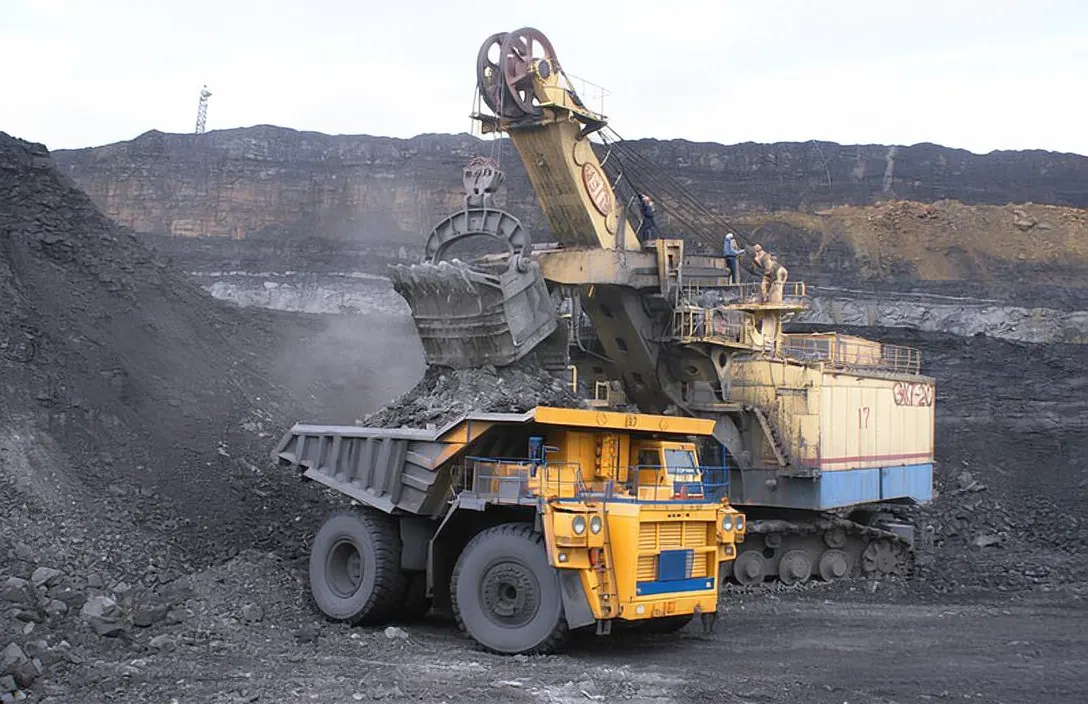

A new Government Accountability Office (GAO) report, requested by several Democratic lawmakers, found that the Office of Surface Mining Reclamation and Enforcement (OSMRE) is struggling to oversee coal mine reclamation efforts across the United States. Of the over 5,247 coal mining permits nationwide, fewer than half have produced coal since 2000, and only 35 percent are in reclamation (Source ID: 1). The report highlights that as coal production has declined, the number of unreclaimed mine sites has increased, posing risks to the environment, public health, and local economies. The GAO found that OSMRE lacks data on the time it takes for mine operators to fully reclaim mines, which is essential for identifying sites that may become financial or environmental liabilities (Source ID: 2). [1] [2]
The report also notes that OSMRE has experienced significant staff reductions, with its workforce shrinking by 35 percent from 2024 through May 2026, primarily due to deferred resignations, a hiring freeze, and restructuring within the Department of the Interior (Source ID: 2). This reduction has weakened the agency’s ability to monitor programs, conduct studies, and provide technical assistance. Additionally, federal regulatory grants to states and Tribes, which oversee 98 percent of coal mining permits, have fallen by $4.9 million between 2021 and 2026, further limiting capacity for reclamation oversight (Source ID: 1). [1] [2]
GAO also found that OSMRE does not adequately track or report progress toward its reclamation goals, as its performance measures do not account for the time required to reclaim a site after coal production ceases (Source ID: 2). The agency has not issued its required annual report to the President and Congress since 2020, leaving Congress without the necessary information to assess federal oversight effectiveness or determine if reforms are needed (Source ID: 1). The GAO recommends that OSMRE develop performance measures to track reclamation progress and resume publication of its annual report to improve transparency and accountability (Source ID: 2). [1] [2]
A new Government Accountability Office (GAO) report, requested by several Democratic lawmakers, found that the Office of Surface Mining Reclamation and Enforcement (OSMRE) is struggling to oversee coal mine reclamation efforts across the United States (Source ID: 1). The report highlights that over half of the more than 5,000 coal mining permits in the U.S. had no coal production since 2000, and about 35 percent of all permits were associated with sites in the process of being reclaimed. This data indicates a significant gap in reclamation efforts, leaving many mine sites unreclaimed and posing environmental and health risks (Source ID: 2). [1] [2]
Advertisement
The report also notes that OSMRE has experienced significant staff reductions, with its workforce shrinking by 35 percent from 2024 through May 2026, primarily due to deferred resignations, a hiring freeze, and restructuring within the Department of the Interior (Source ID: 2). This reduction has weakened the agency’s ability to provide technical assistance, monitor programs, and conduct national studies. Additionally, federal regulatory grants to states and Tribes, which oversee 98 percent of coal mining permits, fell by $4.9 million between 2021 and 2026, further limiting reclamation capacity (Source ID: 1). [2] [1]
GAO also found that OSMRE does not adequately track or report progress toward its reclamation goals. The agency’s performance measures do not account for how long it takes to reclaim a site after coal production ceases, making it difficult to identify which sites may become a financial liability or an environmental risk. OSMRE also hasn’t issued its required annual report to the President and Congress since 2020, which has limited Congress’s ability to assess the effectiveness of federal oversight (Source ID: 2). [2]
A new Government Accountability Office (GAO) report, requested by several Democratic lawmakers, found that the Office of Surface Mining Reclamation and Enforcement (OSMRE) is struggling to oversee coal mine reclamation efforts across the United States (Source ID: 1). The report also notes that OSMRE has experienced significant staff reductions, with its workforce shrinking by 35 percent from 2024 through May 2026, primarily due to deferred resignations, a hiring freeze, and restructuring within the Department of the Interior (Source ID: 2). GAO also found that OSMRE does not adequately track or report progress toward its reclamation goals. [1] [2]
According to the GAO report, the reduction in OSMRE’s workforce has weakened the agency’s ability to provide technical assistance, monitor programs, and conduct national studies (Source ID: 2). Additionally, the report highlights that OSMRE has not issued its required annual report to the President and Congress since 2020, leaving Congress without essential information to assess federal oversight effectiveness or determine if reforms are needed (Source ID: 1). [1] [2]
Advertisement
The report also indicates that federal regulatory grants to states and Tribes, which oversee 98 percent of coal mining permits, fell by $4.9 million between 2021 and 2026. For more than half of the permits reclaimed between 2019 and 2024, the operator’s bond did not cover the full cost of cleanup, forcing states to pay the rest with other funds (Source ID: 1). [1]
A new Government Accountability Office (GAO) report, requested by several Democratic lawmakers, found that the Office of Surface Mining Reclamation and Enforcement (OSMRE) is struggling to oversee coal mine reclamation efforts across the United States (Source ID: 1). The report also notes that OSMRE has experienced significant staff reductions, with its workforce shrinking by 35 percent from 2024 through May 2026, primarily due to deferred resignations, a hiring freeze, and restructuring within the Department of the Interior (Source ID: 2). GAO also found that OSMRE does not adequately track or report progress toward its reclamation goals, as its performance measures do not account for how long it takes to reclaim a site after the coal stops, so they can’t flag which sites may become a financial liability or an environmental risk (Source ID: 2). [1] [2]
According to the GAO report, the reduction in OSMRE’s workforce has weakened the agency’s ability to provide technical assistance, monitor programs, and conduct national studies (Source ID: 2). The report also indicates that federal regulatory grants to states and Tribes, which oversee 98 percent of coal mining permits, fell by $4.9 million between 2021 and 2026 (Source ID: 1). For more than half of the permits reclaimed between 2019 and 2024, the operator’s bond didn’t cover the full cost of cleanup, which forced states to pay the rest with other funds (Source ID: 1). [1] [2]
OSMRE also hasn’t issued its required annual report to the President and Congress since 2020 (Source ID: 2). Without accurate measures of reclamation liabilities or regular reporting, Congress lacks the information it needs to judge whether federal oversight is working and whether reforms are needed (Source ID: 1). Meanwhile, states and Tribes face growing financial risk as coal production, and the revenue that supports reclamation programs, keeps declining (Source ID: 1). [1] [2]
Advertisement
The Cali Reporter newsletter
The stories worth your time.
California, the country, and what comes next. Join our free newsletter for reporting that keeps you informed.
More in California
- Elderly Man Robbed in Costco Parking Lot, Four Arrested
A 91-year-old man reported a theft of a ring during an interaction at a Costco in Modesto, leading to the arrest of four individuals.
- Federal Court Halts Closure of East Potomac Park
A federal court has issued a temporary restraining order to prevent the Trump-Vance administration from closing East Potomac Park as part of a plan to convert the area into an exclusive golf course.
- CMS Announces Optional Six-Month Delay for Medicaid Work Requirements
The Centers for Medicare and Medicaid Services (CMS) has announced an optional six-month delay for states implementing Medicaid work requirements, according to a report by KFF.