FAA Ground Stop Sparks Scrutiny Over Aging Infrastructure and Modernization Efforts
A nationwide flight grounding by the Federal Aviation Administration (FAA) has raised questions about the agency’s outdated infrastructure and the effectiveness of its modernization plans, with officials and lawmakers…

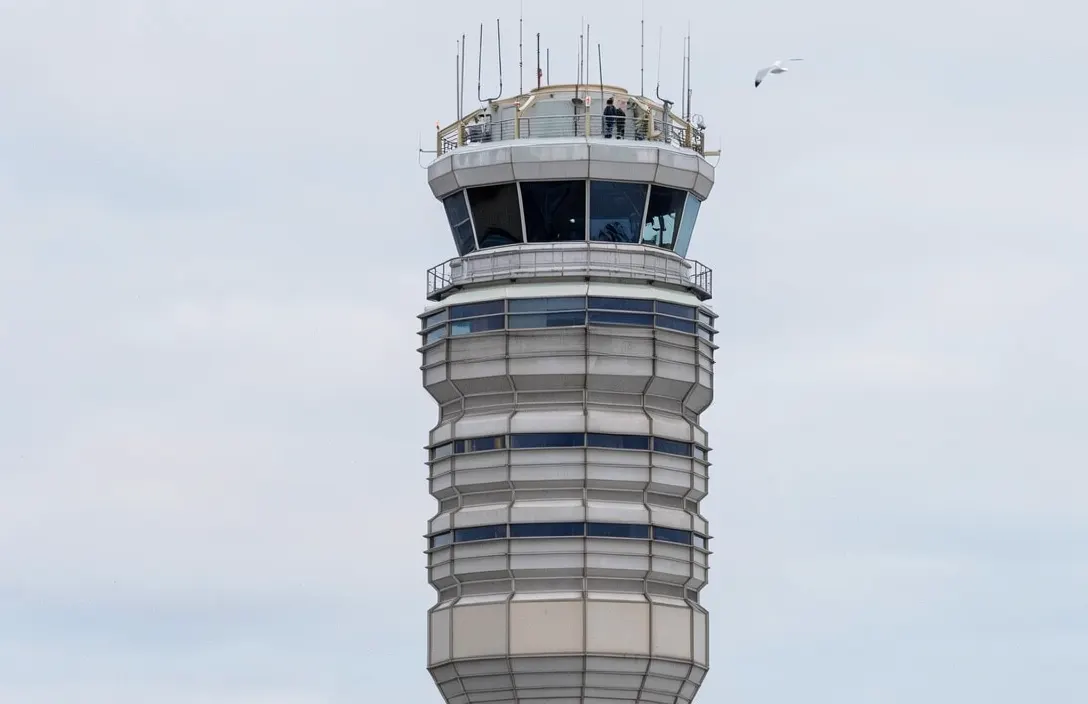

On Friday, the Federal Aviation Administration (FAA) grounded all flights in the United States for nearly four hours due to a reported equipment failure, marking only the second such incident since the September 11, 2001 attacks (source ID: 1). More than 9,000 flights were cancelled, and an estimated 1.5 million passengers were left stranded. Officials attributed the disruptions to an upgrade gone awry, with routers used to communicate with aeroplanes in mid-flight suddenly ceasing to function. Transportation Secretary Sean Duffy acknowledged ongoing delays but stated that the FAA aimed to return the system to full capacity by Sunday. [1]
The incident has led to increased scrutiny over the FAA’s reliance on aging infrastructure and the effectiveness of its modernization efforts. Democratic lawmakers, including Representative Rosa DeLauro, have criticized the Trump administration’s choice of contractors for the upgrades, emphasizing the need for a competent partner to carry out the work in a sustainable and transparent manner (source ID: 1). The Federal Aviation Administration has received historical and monumental investments over the last two years, but the implementation of these funds has lagged behind, according to DeLauro. The situation has also raised concerns about the FAA’s ability to prevent similar incidents in the future. [1]
In September 2026, the Government Accountability Office (GAO) reported that the FAA’s Brand New Air Traffic Control System (BNATCS) has an ambitious goal to significantly accelerate the modernization of outdated air traffic control (ATC) systems. However, the FAA has not developed a comprehensive lifecycle cost estimate for BNATCS, nor has it created an integrated master schedule for phase 1 of the initiative, which has 11,389 individual project schedules (source ID: 2). These issues introduce heightened risk to the BNATCS, increasing the likelihood of cost overruns, delays, and unmet performance targets. GAO has recommended that the FAA prioritize developing a reliable lifecycle cost estimate and a detailed integrated master schedule to support the BNATCS phase 1 modernization effort. [2]
On Friday, the Federal Aviation Administration (FAA) grounded all flights in the United States for nearly four hours due to a reported equipment failure, marking only the second such incident since the September 11, 2001 attacks (source ID: 1). The incident has led to increased scrutiny over the FAA’s reliance on aging infrastructure and the effectiveness of its modernization efforts. In September 2026, the Government Accountability Office (GAO) reported that the FAA’s Brand New Air Traffic Control System (BNATCS) has an ambitious goal to significantly accelerate the modernization of outdated air traffic control (ATC) systems (source ID: 2). [1] [2]
Advertisement
The GAO found that the FAA has not developed a comprehensive and well-documented lifecycle cost estimate for BNATCS, nor has it created an integrated master schedule for phase 1 of the project. Instead, the FAA has 11,389 individual project schedules that are not integrated, increasing the risk of delays, cost overruns, and unmet performance targets (source ID: 2). This lack of coordination and planning has been a recurring issue in FAA modernization efforts, with the GAO indicating that the risks of repeating past failures are heightened without a reliable cost estimate and schedule (source ID: 2). [2]
The FAA has made some progress in implementing portions of phase 1 of BNATCS, such as replacing 2,560 of 5,170 old copper wires with high-speed fiber optic communications cables as of May 2026 (source ID: 2). However, the agency has not yet developed a detailed plan for phase 2, which involves developing new automation systems to track aircraft and optimize traffic. The GAO recommends that the FAA prioritize developing a reliable lifecycle cost estimate and an integrated master schedule for BNATCS phase 1 to mitigate risks and ensure the success of the modernization effort (source ID: 2). [2]
The Federal Aviation Administration’s (FAA) Brand New Air Traffic Control System (BNATCS) has an ambitious goal to significantly accelerate the modernization of outdated air traffic control (ATC) systems (source ID: 2). The first of two phases aims to modernize communication, surveillance, weather, and training systems, among other things. For example, FAA plans to modernize voice radio systems 9 years earlier than initially planned. Phase 1 is to be fully completed by December 2028. In July 2025, Congress appropriated $12.5 billion to support BNATCS and FAA is using most of the funds for phase 1. [2]
FAA has made progress in implementing portions of phase 1. For example, as of May 2026, FAA reported replacing 2,560 of 5,170 old and frail copper wires with high-speed fiber optic communications cables (source ID: 2). However, FAA has not developed a comprehensive and well-documented lifecycle cost estimate for BNATCS. In June 2026, FAA officials provided high-level estimates per program for phase 1. However, officials were unable to provide the analysis that supported these figures. In addition, officials acknowledged that the estimate does not include government costs, most of the operations costs for phase 1, or any of the costs for phase 2. [2]
Advertisement
In addition, FAA has not developed an integrated master schedule for phase 1. Instead, FAA has 11,389 individual project schedules that are not integrated. As a result, individual projects are scheduled for installations at the same sites, generally without optimizing the schedules to reduce impacts to controller operations. Officials stated they have plans to address this issue, however; they did not have a time frame for when the issue would be resolved (source ID: 2). [2]
The Federal Aviation Administration’s (FAA) Brand New Air Traffic Control System (BNATCS) has an ambitious goal to significantly accelerate the modernization of outdated air traffic control (ATC) systems (source ID: 2). The first of two phases aims to modernize communication, surveillance, weather, and training systems, among other things. For example, FAA plans to modernize voice radio systems 9 years earlier than initially planned. Phase 1 is to be fully completed by December 2028. In July 2025, Congress appropriated $12.5 billion to support BNATCS and FAA is using most of the funds for phase 1. [2]
FAA has made progress in implementing portions of phase 1. For example, as of May 2026, FAA reported replacing 2,560 of 5,170 old and frail copper wires with high-speed fiber optic communications cables (source ID: 2). However, FAA has not developed a comprehensive and well-documented lifecycle cost estimate for BNATCS. In June 2026, FAA officials provided high-level estimates per program for phase 1. However, officials were unable to provide the analysis that supported these figures. [2]
In addition, FAA has not developed an integrated master schedule for phase 1. Instead, FAA has 11,389 individual project schedules that are not integrated. As a result, individual projects are scheduled for installations at the same sites, generally without optimizing the schedules to reduce impacts to controller operations (source ID: 2). Officials stated they have plans to address this issue, however; they did not have a time frame for when the issue would be resolved. [2]
Advertisement
The Cali Reporter newsletter
The stories worth your time.
California, the country, and what comes next. Join our free newsletter for reporting that keeps you informed.
More in World
- Irish Man Charged with Destroying U.S. Military Aircraft at Shannon Airport
A man from Ireland has been indicted for allegedly destroying a U.S. military aircraft at Shannon Airport, according to prosecutors in New York.
- Trump's APEC Summit and Strategic Meetings
President Donald Trump is set to attend the APEC summit in Shenzhen, China, where he is expected to meet with Chinese President Xi Jinping and participate in a trilateral meeting with Russian President Vladimir Putin,…
- Early Snowfall in Northern England and Scotland
Snowfall occurred in parts of Northern England and southern Scotland, with subsequent melting due to milder temperatures, according to the BBC.