FAA Ground Stop Disrupts Thousands of Flights Nationwide
A rare nationwide ground stop issued by the Federal Aviation Administration (FAA) caused over 12,000 flights to be canceled or delayed, marking one of the largest disruptions to domestic air travel in recent history.

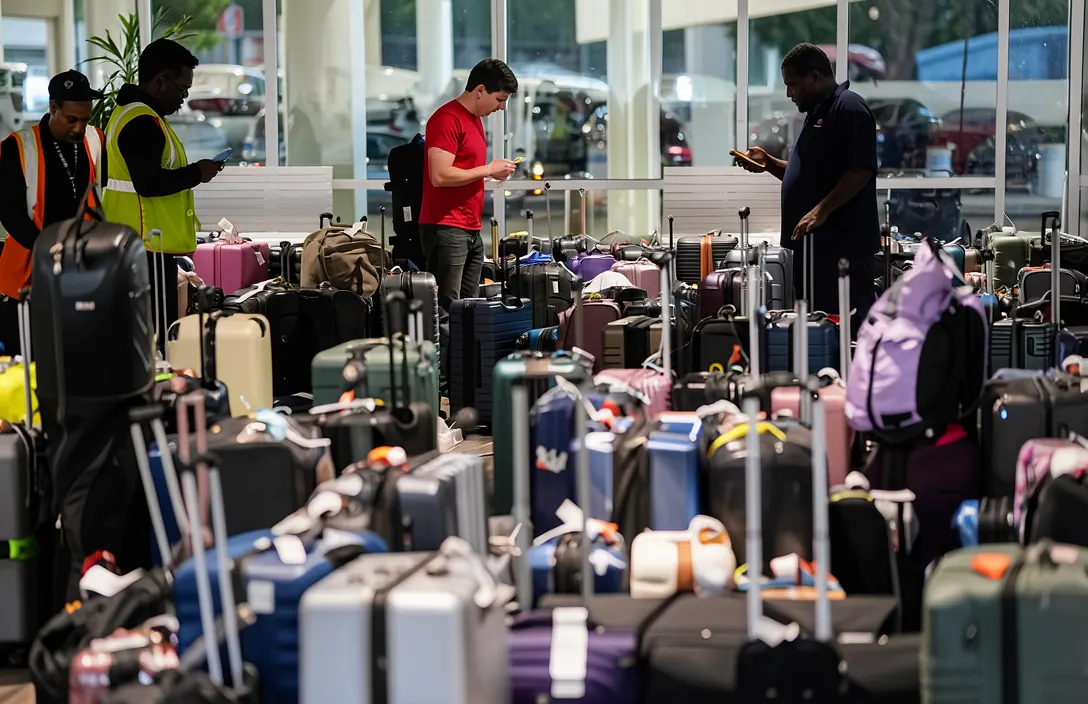
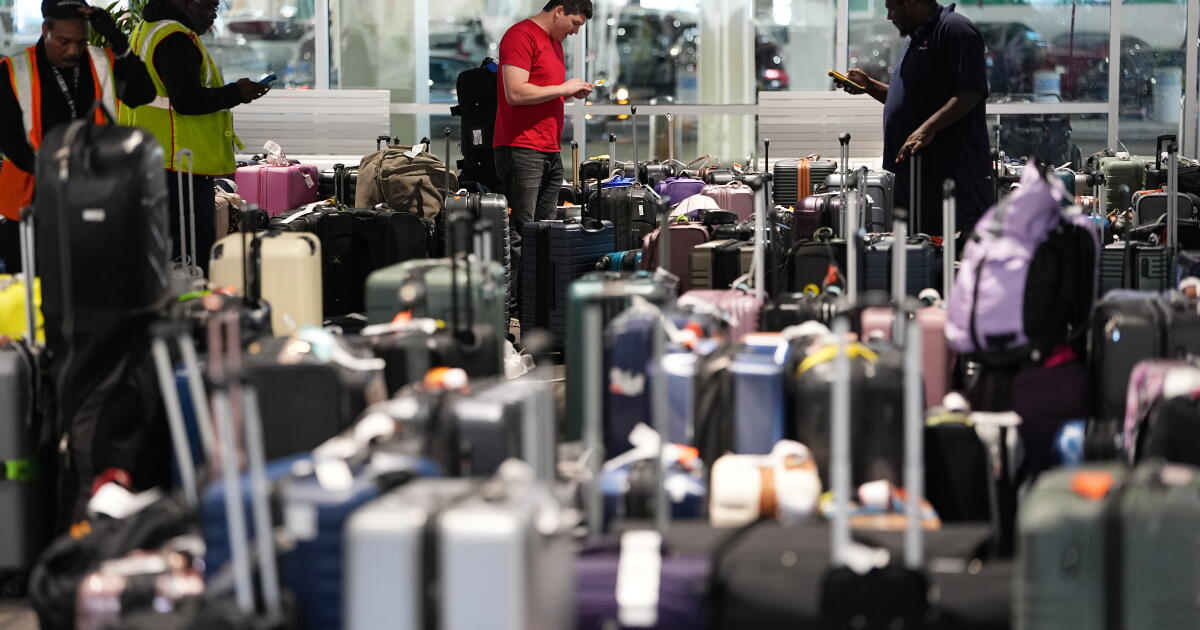
Last week, more than 12,000 flights were delayed or canceled as part of a rare, nationwide ground stop issued by the Federal Aviation Administration (FAA). Disruptions to domestic air travel on that scale are virtually unheard of, and Friday’s incident was only the second time it’s happened since the terrorist attacks of Sept. 11, 2001. The disruption was described as being 'worse than the worst hurricane or snowstorm,' according to travel influencer John DiScala, because the order stranded everyone wherever they were, filling up hotels fast, leaving many to sleep on airport floors (1). [1]
Federal officials stated that around 3:30 p.m. Friday, the FAA’s air traffic control system experienced a technical problem after a contractor performing routine maintenance—replacing outdated copper wire with fiber optic cables—flooded other routers in the air traffic control system. The new equipment sent more than 1,000 connection attempts every four to five seconds, interrupting communications and radar and prompting the FAA to ground all flights. Officials said the system was made stable and air traffic resumed as of 8:15 p.m. the same day (1). [1]
It took all weekend to untangle the cascading effects of the ground stop, with many passengers seeing their flights delayed, rescheduled, or outright canceled. Santa Rosa, Calif.-based author and cartoonist Stephan Pastis was due to fly Alaska Airlines to Spokane, Wash., for a book tour event. His initial flight was canceled so he booked an alternative. Then that flight was canceled (1). [1]
Last week, more than 12,000 flights were delayed or canceled as part of a rare, nationwide ground stop issued by the Federal Aviation Administration (FAA). Disruptions to domestic air travel on that scale are virtually unheard of, and Friday’s incident was only the second time it’s happened since the terrorist attacks of Sept. 11, 2001. The disruption was described as worse than the worst hurricane or snowstorm, as the order stranded everyone wherever they were, filling up hotels fast and leaving many to sleep on airport floors (1). [1]
Advertisement
Federal officials stated that around 3:30 p.m. Friday, the FAA’s air traffic control system experienced a technical problem after a contractor performing routine maintenance — replacing outdated copper wire with fiber optic cables — flooded other routers in the air traffic control system. The new equipment sent more than 1,000 connection attempts every four to five seconds, interrupting communications and radar and prompting the FAA to ground all flights. Officials said the system was made stable and air traffic resumed as of 8:15 p.m. the same day (1). [1]
It took all weekend to untangle the cascading effects of the ground stop, with many passengers seeing their flights delayed, rescheduled, or outright canceled. For those whose travel plans were upended by Friday’s ground stop, there may be a way to recoup some of the costs. If their flight is canceled, they’re guaranteed money back, cash not credit, according to travel influencer John DiScala (1). [1]
Passengers whose flights were canceled due to the FAA ground stop may be entitled to a full refund, particularly if they purchased a fully refundable ticket or opted not to accept alternative compensation from the airline. According to the U.S. Department of Transportation, travelers have the right to a refund if the airline canceled the flight and the passenger chooses not to travel or accept travel credits, vouchers, or other forms of compensation. This right is outlined in the guidelines provided by the Department of Transportation, which emphasize that passengers are not obligated to accept the airline's offers for alternative compensation. [1]
For those whose flights were significantly delayed, passengers may also qualify for a full refund. A significant delay is defined as a departure or arrival delay of three hours or more for domestic flights and six hours or more for international flights. Additionally, passengers may be eligible for a refund if their itinerary was changed, additional connections were added, or if they were involuntarily downgraded to a lower class of service. These criteria help determine whether a passenger is eligible for a refund following a significant disruption to their travel plans. [1]
Advertisement
If a passenger's checked luggage was lost or significantly delayed, they may be entitled to a refund of the airline fees associated with checking in their suitcase. A bag is considered significantly delayed if it is not delivered within 12 hours for domestic flights or within 15 to 30 hours for international flights, depending on the flight duration. To receive a refund, passengers must file a mishandled baggage report with the airline as soon as possible. This process is outlined by the Department of Transportation and is essential for passengers seeking compensation for lost or delayed luggage. [1]
Passengers whose flights were canceled due to the FAA ground stop may be entitled to a full refund, particularly if they purchased a fully refundable ticket or opted not to accept alternative compensation from the airline. According to the U.S. Department of Transportation, passengers have the right to a refund if the airline canceled the flight and they choose not to travel or accept travel credits, vouchers, or other forms of compensation offered by the airline (1). [1]
For those whose flights were significantly delayed, passengers may also qualify for a full refund. A significant delay for domestic flights is defined as a departure or arrival delay of three hours or more, while international flights require a delay of six hours or more (1). Passengers experiencing such delays are entitled to a refund if they choose not to accept the airline's alternative compensation or travel arrangements. [1]
If a passenger's checked luggage was lost or significantly delayed, they may be entitled to a refund of the airline fees associated with checking in their suitcase. According to the Department of Transportation, a bag is considered significantly delayed if it is not delivered within 12 hours after the flight has arrived to its destination for domestic flights, or within 15 hours for international flights of 12 hours or less in duration, or within 30 hours for flights longer than 12 hours (1). [1]
Advertisement
The Cali Reporter newsletter
The stories worth your time.
California, the country, and what comes next. Join our free newsletter for reporting that keeps you informed.
More in Los Angeles
- Afghan Journalist's Asylum Case Sparks Press Freedom Concerns
An Afghan journalist detained in California faces deportation to Afghanistan, where he could face persecution by the Taliban, according to advocacy groups and legal representatives.
- Oakland Incident Sparks Outrage Over ICE Actions
A video showing federal immigration agents using force against civilians in Oakland has raised concerns about immigration enforcement tactics.
- Los Angeles Zoo Celebrates 60th Anniversary with Discounted Admission
The Los Angeles Zoo is commemorating its 60th anniversary with discounted admission during the Thanksgiving holiday weekend, offering a promotional rate for visitors.