FAA Ground Stop Disrupts Sports Travel, Leaving Teams in Limbo
A sudden Federal Aviation Administration (FAA) ground stop on November 13, 2026, caused widespread disruption across the sports world, leaving teams stranded and raising questions about the cause and potential…

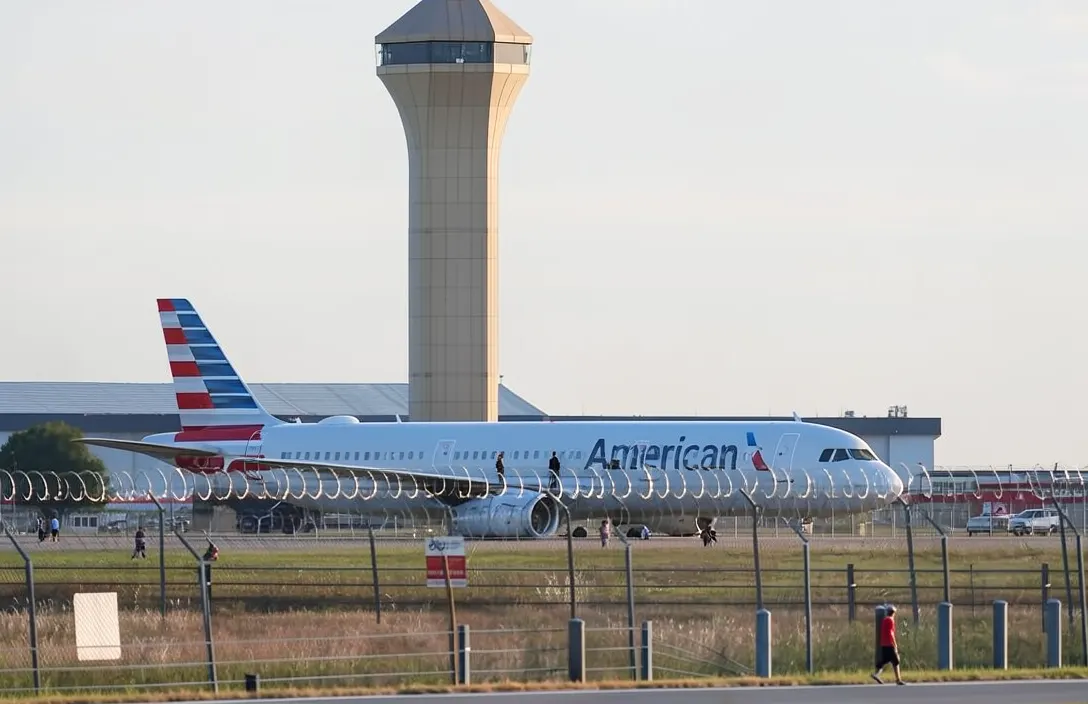

The Federal Aviation Administration (FAA) issued a nationwide ground stop on November 13, 2026, which halted all flights across the United States. This decision came as a shock to many, particularly in the sports world, where teams were left stranded and unsure of how to proceed with their travel plans (1). The ground stop was attributed to 'extraordinary circumstances and for reasons of safety,' according to the FAA, though further details remain unclear (1). [1]
The impact on sports teams was immediate and widespread. College football teams, including No. 2 Utah, eighth-ranked Texas, and No. 9 Tennessee, found themselves at a standstill as they attempted to travel to their respective road games (1). The Longhorns, for example, posted a video on social media showing them boarding their plane before the stoppage took effect. If they are forced to travel by bus instead, the journey to Louisiana would take approximately seven hours (1). [1]
The disruption extended beyond college football. The NBA, NHL, and NFL were also affected. Five NBA teams, including the Nets, were scheduled to fly on Friday for games on Saturday, but their travel was halted (1). Similarly, several NHL teams, such as the Sharks, were left waiting to depart for their games (1). In the NFL, teams were left wondering whether the issue would be resolved in time for them to travel to their games over the weekend (1). [1]
Sporting events scheduled beyond Saturday were left in uncertainty as the FAA failed to establish a timeline for resuming flights (1). This lack of clarity has sparked worries among teams, officials, and fans regarding the possibility of additional disruptions in the near future (1). The FAA's absence of clear communication has increased confusion, with many teams and individuals left to guess about the cause and solution of the problem (1). [1]
Advertisement
A communications issue impacting the 22 regional air traffic control centers that manage flights between airports nationwide was cited by Transportation Secretary Sean Duffy as the cause of the ground stop (1). While FAA technicians were examining the problem, the exact nature and extent of the issue remained unknown (1). The incident has raised concerns regarding the dependability of air traffic control systems and the FAA's capacity to handle such emergencies (1). [1]
While some teams managed to depart before the ground stop took effect, including Missouri, Duke, and Texas Tech, many others were left in a difficult position (1). The uncertainty surrounding the issue has also raised concerns about the safety of air travel and the potential for similar disruptions in the future (1). As the situation continues to unfold, the sports world remains on edge, waiting for further updates from the FAA (1). [1]
The Federal Aviation Administration (FAA) issued a nationwide ground stop on November 13, 2026, which halted all flights across the United States. This decision came as a shock to many, particularly in the sports world, where teams were left stranded and unsure of how to proceed with their travel plans (1). The ground stop was attributed to 'extraordinary circumstances and for reasons of safety,' according to the FAA, though further details remain unclear (1). [1]
The impact on sports teams was immediate and widespread. College football teams, including No. 2 Utah, eighth-ranked Texas, and No. 9 Tennessee, found themselves at a standstill as they attempted to travel to their respective road games (1). The Longhorns, for example, posted a video on social media showing them boarding their plane before the stoppage took effect. If they are forced to travel by bus instead, the journey to Louisiana would take approximately seven hours (1). [1]
Advertisement
The disruption extended beyond college football. The NBA, NHL, and NFL were also affected. Five NBA teams, including the Nets, were scheduled to fly on Friday for games on Saturday, but their travel was halted (1). Similarly, several NHL teams, such as the Sharks, were left waiting to depart for their games (1). In the NFL, teams were left wondering whether the issue would be resolved in time for them to travel to their games over the weekend (1). [1]
Sporting events scheduled beyond Saturday were left in uncertainty as the FAA did not provide a timeline for resuming flights (1). This lack of clarity has caused anxiety among teams, officials, and fans regarding the possibility of additional disruptions in the near future (1). The FAA's failure to communicate clearly has worsened the situation, leaving many teams and individuals to guess at the cause and resolution of the problem (1). [1]
A communications problem impacting the 22 regional air traffic control centers responsible for directing flights between airports nationwide was cited by Transportation Secretary Sean Duffy as the cause of the ground stop (1). FAA technicians are currently examining the issue, though the complete extent of the problem has not yet been determined (1). The incident has raised concerns regarding the dependability of air traffic control systems and the FAA's capability to handle such emergencies (1). [1]
While some teams managed to depart before the ground stop took effect, including Missouri, Duke, and Texas Tech, many others were left in a difficult position (1). The uncertainty surrounding the issue has also raised concerns about the safety of air travel and the potential for similar disruptions in the future (1). As the situation continues to unfold, the sports world remains on edge, waiting for further updates from the FAA (1). [1]
Advertisement
The Federal Aviation Administration (FAA) issued a nationwide ground stop on November 13, 2026, which halted all flights across the United States. This decision came as a shock to many, particularly in the sports world, where teams were left stranded and unsure of how to proceed with their travel plans (1). The ground stop was attributed to 'extraordinary circumstances and for reasons of safety,' according to the FAA, though further details remain unclear (1). [1]
The impact on sports teams was immediate and widespread. College football teams, including No. 2 Utah, eighth-ranked Texas, and No. 9 Tennessee, found themselves at a standstill as they attempted to travel to their respective road games (1). The Longhorns, for example, posted a video on social media showing them boarding their plane before the stoppage took effect. If they are forced to travel by bus instead, the journey to Louisiana would take approximately seven hours (1). [1]
The disruption extended beyond college football. The NBA, NHL, and NFL were also affected. Five NBA teams, including the Nets, were scheduled to fly on Friday for games on Saturday, but their travel was halted (1). Similarly, several NHL teams, such as the Sharks, were left waiting to depart for their games (1). In the NFL, teams were left wondering whether the issue would be resolved in time for them to travel to their games over the weekend (1). [1]
The FAA did not provide a timeline for restarting flights, leaving sporting events taking place beyond Saturday in limbo (1). This uncertainty has raised concerns among teams, officials, and fans about the potential for further disruptions in the coming days (1). The lack of clear communication from the FAA has added to the confusion, with many teams and individuals left to speculate about the cause and resolution of the issue (1). [1]
Advertisement
Transportation Secretary Sean Duffy stated that the ground stop was due to a communications issue affecting the 22 regional air traffic control centers that direct planes en route between airports nationwide (1). FAA technicians were investigating the issue, but the full scope of the problem remains unclear (1). The situation has sparked questions about the reliability of air traffic control systems and the FAA’s ability to manage such emergencies (1). [1]
While some teams managed to depart before the ground stop took effect, including Missouri, Duke, and Texas Tech, many others were left in a difficult position (1). The uncertainty surrounding the issue has also raised concerns about the safety of air travel and the potential for similar disruptions in the future (1). As the situation continues to unfold, the sports world remains on edge, waiting for further updates from the FAA (1). [1]
One of the most pressing questions is the full scope of the communications issue affecting the 22 regional air traffic control centers. While Transportation Secretary Sean Duffy confirmed the problem, the FAA has not provided detailed information about the nature of the communications failure or the extent to which it impacted air traffic operations (1). This lack of transparency has left many stakeholders, including sports teams and travel officials, speculating about the root cause of the disruption (1). [1]
Another key concern is the FAA’s ability to manage such emergencies in the future. The ground stop has exposed potential vulnerabilities in the air traffic control system, raising questions about whether similar incidents could occur again and how the FAA plans to prevent them (1). Experts and industry insiders are likely to scrutinize the FAA’s response and call for improvements in communication and contingency planning (1). [1]
The impact on sports teams and events is also a major area of focus. While some teams managed to depart before the ground stop took effect, others were left stranded, forcing them to consider alternative travel arrangements such as buses or trains (1). This has raised concerns about the logistical challenges of such disruptions and whether they could affect the performance of athletes or the overall quality of games (1). [1]
The uncertainty surrounding the timeline for resuming flights has also left sporting events taking place beyond Saturday in limbo. Teams, officials, and fans are now left to wonder whether the issue will be resolved in time for future games and what the long-term consequences might be for event scheduling (1). This uncertainty has added to the confusion and anxiety among those affected by the ground stop (1). [1]
In the coming days, it will be crucial to watch for updates from the FAA regarding the resolution of the communications issue and the resumption of flights (1). Additionally, the sports world will be closely monitoring how teams and leagues adapt to the disruption, including whether alternative travel methods will be used and how this might affect future planning (1). These developments will provide valuable insight into the broader implications of the incident for air travel and sports logistics (1). [1]
Editorial note: This article is sourced. Some claims are awaiting further verification.
Sources
Prepared with AI assistance from the cited sources.
The Cali Reporter newsletter
The stories worth your time.
California, the country, and what comes next. Join our free newsletter for reporting that keeps you informed.
More in West Coast
- Diwali Celebration at Tigard Mandir Draws Large Crowd
Hundreds of people gathered at the BAPS Shri Swaminarayan Mandir in Tigard, Oregon, for a Diwali celebration featuring a large cultural exhibition and traditional offerings.
- Midterm Elections Shift State Legislative Power to Democrats
The 2022 midterm elections marked a significant shift in state legislative power, with Democrats gaining control in several states and ending long-standing Republican dominance.
- Boise State Secures Pac-12 Championship Host Spot
Boise State's victory over Oregon State on November 14, 2026, solidified their position as the host for the Pac-12 championship game, marking a significant milestone for the team.