EU-US Trade Dispute Resurfaces Over Airbus Loan
A recent €3 billion loan to Airbus by the European Investment Bank has reignited concerns about state support, potentially threatening an existing EU-US trade truce.

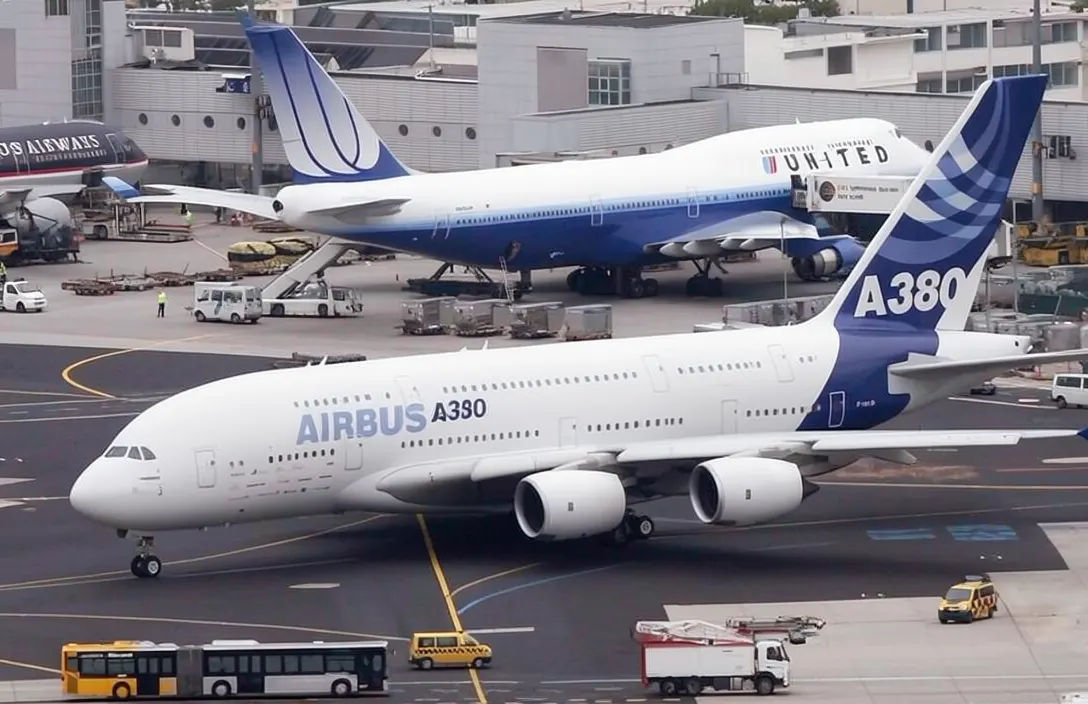
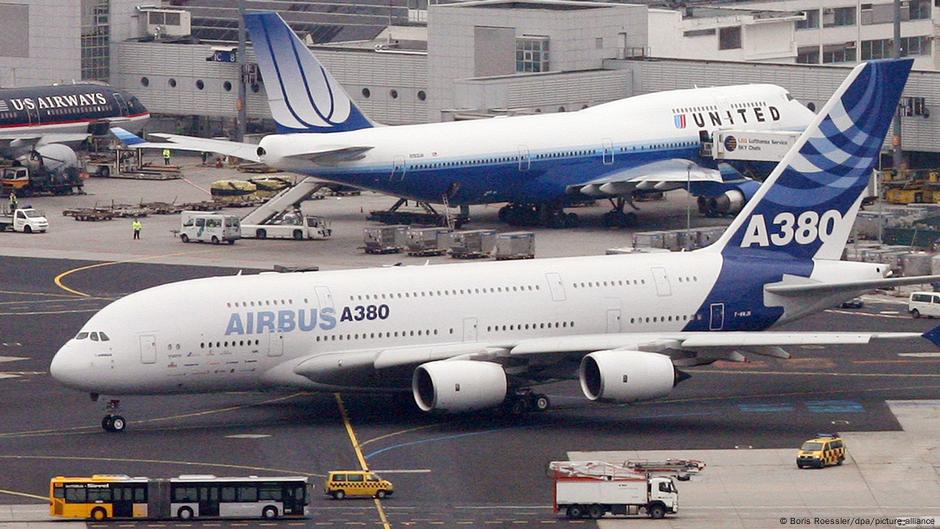
A fresh row over a record-breaking EU loan to European aerospace company Airbus could reopen a long-standing rift with Washington and threaten an existing EU-US trade truce. The European Investment Bank (EIB), the lending arm of the EU, agreed in June to loan Airbus up to €3 billion ($3.4 billion) but US President Donald Trump's top trade advisor recently suggested the loan breached a 2021 EU-US agreement on state support (source ID: 1). [1]
US Trade Representative Jamieson Grier stated in late October that he had hoped trade-distorting European subsidies to Airbus were a thing of the past. He suggested that France, Germany, and Spain have aggressively supported Airbus to gain an unfair advantage over US aerospace workers and business, and that there was a lack of transparency around the terms of the loan (source ID: 1). [1]
The EU insists the loan does not amount to subsidies and that it is in close contact with the Office of the US Trade Representative, with a spokesperson telling DW that they will provide all necessary information. An Airbus spokesperson also stated that the company is actively engaging with the relevant authorities and is happy to share more information about the loan with governments (source ID: 1). [1]
The European Investment Bank (EIB), the lending arm of the European Union, authorized a €3 billion loan to Airbus in June 2025, marking the largest corporate loan ever approved by the bank. This loan has raised concerns in the United States, as it may violate a 2021 EU-US agreement on state support, according to US Trade Representative Jamieson Grier. The EIB insists the loan is a standard corporate financing arrangement, with interest and repayment terms in place, and that it aligns with the market-terms principle outlined in the 2021 agreement. The EU and Airbus have emphasized that the loan does not constitute illegal state support and that they are prepared to provide transparency on its terms. [1]
Advertisement
The Airbus-Boeing trade dispute, which lasted 17 years, was a significant trade conflict between the United States and the European Union. The World Trade Organization (WTO) ruled that both the EU and the US provided state subsidies to their respective aerospace manufacturers, leading to years of tariffs and retaliatory measures. A trade truce was finally reached in 2021, with additional provisions strengthening the agreement in 2025. However, the recent €3 billion loan to Airbus threatens to reignite tensions, as the US has signaled dissatisfaction over the potential for state support, potentially undermining the broader EU-US trade deal. [1]
The aerospace sector is particularly complex due to the involvement of defense contracts and the high costs associated with research and development. Airbus, in addition to its commercial aviation operations, is also involved in defense programs such as the Eurofighter. The €3 billion loan's allocation—specifically, how much will go toward research and development versus defense-related activities—has become a point of contention. Experts like Inu Manak and Fredrik Erixon have noted that the line between a standard loan and a subsidy is often blurred, and a comprehensive WTO investigation may be necessary to clarify the matter. [1]
The US has previously raised concerns over Airbus' development plans, including its new single-aisle aircraft program, which could intensify competition with Boeing. The US Trade Representative and Boeing have not commented on the latest developments, but the potential for a Section 301 investigation by the US has been suggested as a possible next step. This type of investigation could determine if the loan violates international trade agreements, further complicating EU-US trade relations and potentially threatening the existing tariff deal. [1]
The European Investment Bank (EIB) authorized a €3 billion loan to Airbus in June 2025, marking the largest corporate loan in the bank's history. The loan was intended for general corporate purposes, including research and development, and is described by the EIB as a standard corporate loan implemented under its established procedures and on market-based terms. The EIB emphasized that the loan carries interest and must be repaid in full, aligning with the market-terms principle agreed upon in the 2021 EU-US trade deal. The loan's specific allocation between commercial aviation and defense-related activities, such as the Eurofighter program, remains a point of contention. The EIB's involvement in this loan has raised concerns in the U.S., with U.S. Trade Representative Jamieson Grier suggesting it may breach the 2021 agreement on state support. The EU maintains that the loan is not a subsidy and is in compliance with international trade rules. This dispute has the potential to reignite the long-standing Airbus-Boeing trade conflict, which had previously led to years of tariffs and trade retaliation between the U.S. and the EU. [1]
Advertisement
The Airbus-Boeing trade dispute, which lasted 17 years, was a significant trade conflict between the U.S. and the EU, with the World Trade Organization (WTO) ruling that both sides provided state subsidies to their respective aerospace manufacturers. The dispute resulted in billions of dollars in tariffs and retaliatory measures from both parties. A trade truce was reached in 2021, with strict provisions on state support, and was further strengthened in 2025. However, the recent €3 billion loan to Airbus has threatened to reopen this dispute. The 2021 agreement aimed to prevent state support from distorting trade and was intended to eliminate the unfair advantage that both companies had previously enjoyed through government subsidies. Experts suggest that the current situation could potentially undermine the broader EU-US trade agreement, as the U.S. has signaled its displeasure over the loan and may take further action, such as a Section 301 investigation, to determine whether the loan violates international trade agreements. The dispute highlights the ongoing challenges in regulating state support in the aerospace sector, where both Airbus and Boeing have historically relied on government funding for research and development. [1]
The aerospace sector is characterized by high upfront costs associated with research and development, particularly for defense contracts, which complicate the distinction between subsidies and standard loans. Both Airbus and Boeing have significant defense contracts with their respective governments, with Boeing having previously engaged in R&D contracts for military purposes that also benefited its civil aircraft program. This overlap between defense and commercial aviation has historically made it difficult to assess the true nature of financial support provided to these companies. The EU and the U.S. have both been accused of providing state support to Airbus and Boeing, respectively, which has led to prolonged trade disputes. The current controversy over the €3 billion loan to Airbus has raised concerns that the EU may be engaging in state support that could disadvantage U.S. aerospace companies like Boeing. The situation is further complicated by the fact that the aerospace sector is dominated by only two major players, making it difficult to establish fair competition. Experts suggest that the issue of state support in the aerospace sector is likely to remain a persistent challenge in EU-US trade relations, with the potential for future disputes unless clear and enforceable rules are established. [1]
Sources
Prepared with AI assistance from the cited sources.
The Cali Reporter newsletter
The stories worth your time.
California, the country, and what comes next. Join our free newsletter for reporting that keeps you informed.
More in World
- Irish Man Charged with Destroying U.S. Military Aircraft at Shannon Airport
A man from Ireland has been indicted for allegedly destroying a U.S. military aircraft at Shannon Airport, according to prosecutors in New York.
- Trump's APEC Summit and Strategic Meetings
President Donald Trump is set to attend the APEC summit in Shenzhen, China, where he is expected to meet with Chinese President Xi Jinping and participate in a trilateral meeting with Russian President Vladimir Putin,…
- Early Snowfall in Northern England and Scotland
Snowfall occurred in parts of Northern England and southern Scotland, with subsequent melting due to milder temperatures, according to the BBC.