EU and ASEAN Trade Agreements Progress as 2027 Anniversary Looms
As the EU and ASEAN approach the 50th anniversary of their diplomatic ties, trade agreements with several Southeast Asian countries are nearing completion, with discussions ongoing for a broader regional deal.

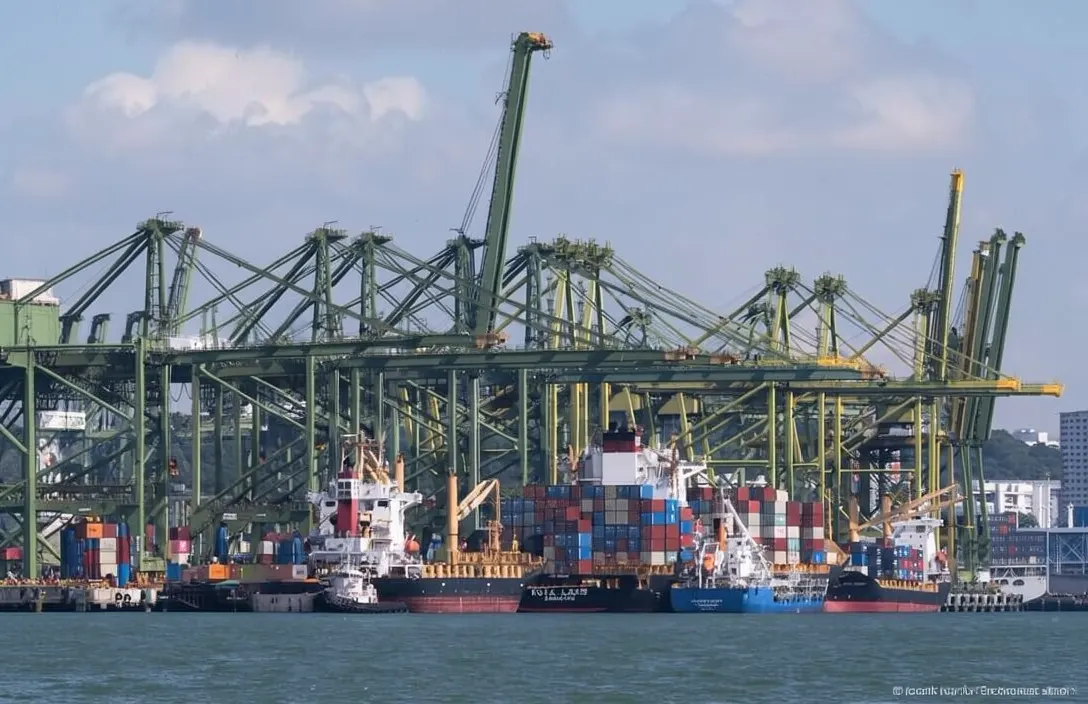
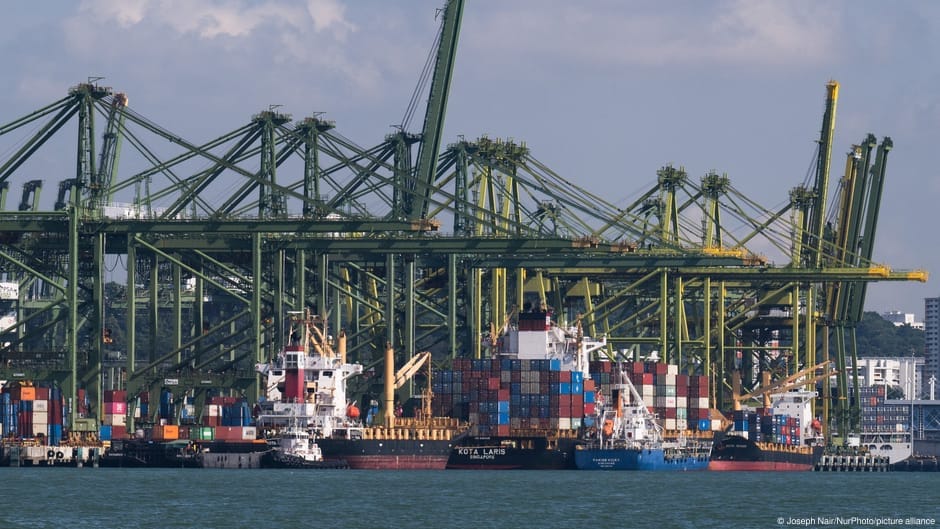
The European Union and the Association of Southeast Asian Nations (ASEAN) are on track to finalize trade agreements with six Southeast Asian states by the end of next year, up from two currently, according to the EU-ASEAN Business Council. A long-awaited trade agreement with Indonesia is expected to take effect, while negotiations with Thailand and Malaysia are making progress, and a deal with the Philippines is nearing completion (evidence ID: 1). [1]
The European Commission hosted a dialogue in Brussels on November 17 to discuss trade relations with Southeast Asia, including progress on existing and pending free trade agreements (FTAs). However, challenges remain in ensuring that businesses can effectively utilize these agreements. Chris Humphrey of the EU-ASEAN Business Council emphasized the importance of communication and training for businesses to benefit from reduced tariffs and trade restrictions (evidence ID: 1). [1]
Alfred Gerstl of Palacky University Olomouc highlighted the need for greater on-the-ground support for European businesses entering Southeast Asian markets, particularly in understanding informal business practices and local regulations. Assistance from European chambers of commerce and trade delegations could help firms navigate these challenges, as seen in Vietnam where sustained EU pressure has improved market access for European pharmaceutical companies (evidence ID: 1). [1]
The EU and Indonesia have faced challenges over Jakarta's restrictions on nickel exports, with European investment in processing facilities and agreements on environmental standards offering potential solutions. Camille Nessel of the Universite Libre de Bruxelles noted that the real value of an FTA lies not only in opening markets but also in maintaining access through leverage (evidence ID: 1). [1]
Advertisement
The European Union and the Association of Southeast Asian Nations (ASEAN) are on track to finalize trade agreements with six Southeast Asian states by the end of next year, up from two currently, according to the EU-ASEAN Business Council. A long-awaited trade agreement with Indonesia is expected to take effect, while a deal with the Philippines is nearing completion and negotiations with Thailand and Malaysia are making progress (source ID: 1). [1]
The European Commission hosted a dialogue in Brussels on November 17 to discuss trade relations with Southeast Asia, including progress on existing and pending free trade agreements (FTAs). Chris Humphrey, executive director of the EU-ASEAN Business Council, emphasized that finalizing FTAs is only the beginning, not the end, and that communication and training are key to ensuring businesses can effectively use these agreements (source ID: 1). [1]
Alfred Gerstl of Palacky University Olomouc highlighted the need for greater on-the-ground support for European businesses entering Southeast Asian markets, particularly in understanding informal business practices and local rules. This includes practical assistance from European chambers of commerce, trade delegations, and EU offices in Southeast Asia (source ID: 1). [1]
The European Union and the Association of Southeast Asian Nations (ASEAN) are on track to finalize trade agreements with six Southeast Asian states by the end of next year, up from two currently, according to the EU-ASEAN Business Council. The European Commission hosted a dialogue in Brussels on November 17 to discuss trade relations with Southeast Asia, including progress on existing and pending free trade agreements (FTAs) (source ID: 1). [1]
Advertisement
Chris Humphrey, executive director of the EU-ASEAN Business Council, emphasized that finalizing FTAs is only the beginning, not the end. He noted that while FTAs can reduce tariffs and remove trade restrictions, these benefits are of little use if businesses do not know how to use them. Communication and training are key to ensuring that European companies can effectively take advantage of the agreements (source ID: 1). [1]
Alfred Gerstl of Palacky University Olomouc highlighted the need for greater on-the-ground support for European businesses entering Southeast Asian markets, particularly in understanding informal business practices and local rules. He suggested that expanding assistance offered by European chambers of commerce, trade delegations, and EU offices in Southeast Asia could help firms navigate local licensing requirements and qualify for preferential tariffs (source ID: 1). [1]
The European Union and the Association of Southeast Asian Nations (ASEAN) are on track to finalize trade agreements with six Southeast Asian states by the end of next year, up from two currently, according to the EU-ASEAN Business Council. The European Commission hosted a dialogue in Brussels on November 17 to discuss trade relations with Southeast Asia, including progress on existing and pending free trade agreements (FTAs) (source ID: 1). [1]
Chris Humphrey, executive director of the EU-ASEAN Business Council, emphasized that finalizing FTAs is only the beginning, not the end. FTAs can reduce tariffs and remove trade restrictions, but that is of little use if businesses don't know how to use them, he added. "Unfortunately, in many cases, this is where there is a failure. Communication and training are key," Humphrey said (source ID: 1). [1]
Advertisement
Alfred Gerstl of Palacky University Olomouc highlighted the need for greater on-the-ground support for European businesses entering Southeast Asian markets, particularly in understanding informal business practices and local rules. One option is to expand the assistance offered by European chambers of commerce, trade delegations, and EU offices in Southeast Asia (source ID: 1). [1]
Sources
Prepared with AI assistance from the cited sources.
The Cali Reporter newsletter
The stories worth your time.
California, the country, and what comes next. Join our free newsletter for reporting that keeps you informed.
More in World
- Irish Man Charged with Destroying U.S. Military Aircraft at Shannon Airport
A man from Ireland has been indicted for allegedly destroying a U.S. military aircraft at Shannon Airport, according to prosecutors in New York.
- Trump's APEC Summit and Strategic Meetings
President Donald Trump is set to attend the APEC summit in Shenzhen, China, where he is expected to meet with Chinese President Xi Jinping and participate in a trilateral meeting with Russian President Vladimir Putin,…
- Early Snowfall in Northern England and Scotland
Snowfall occurred in parts of Northern England and southern Scotland, with subsequent melting due to milder temperatures, according to the BBC.