Ethereum Test Reveals Smart Contract Payment Flaws
Testing of Ethereum's proposed Glamsterdam upgrade has uncovered scenarios where transactions succeed while internal payments fail, according to developer simulations of Juicebox V6 contracts.

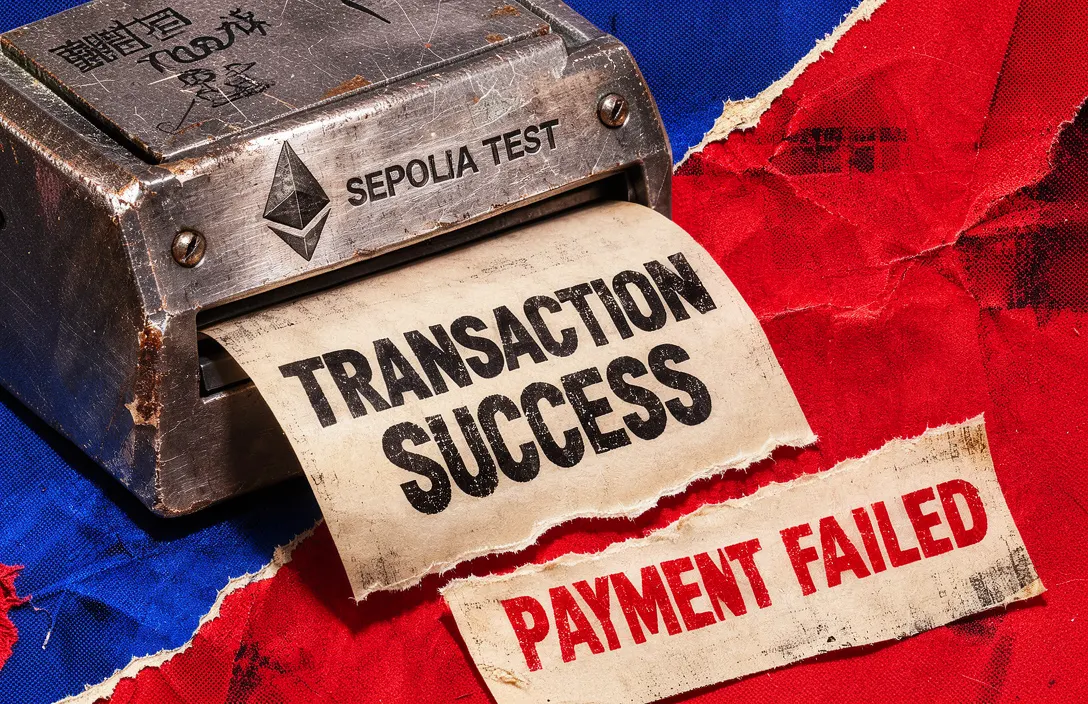
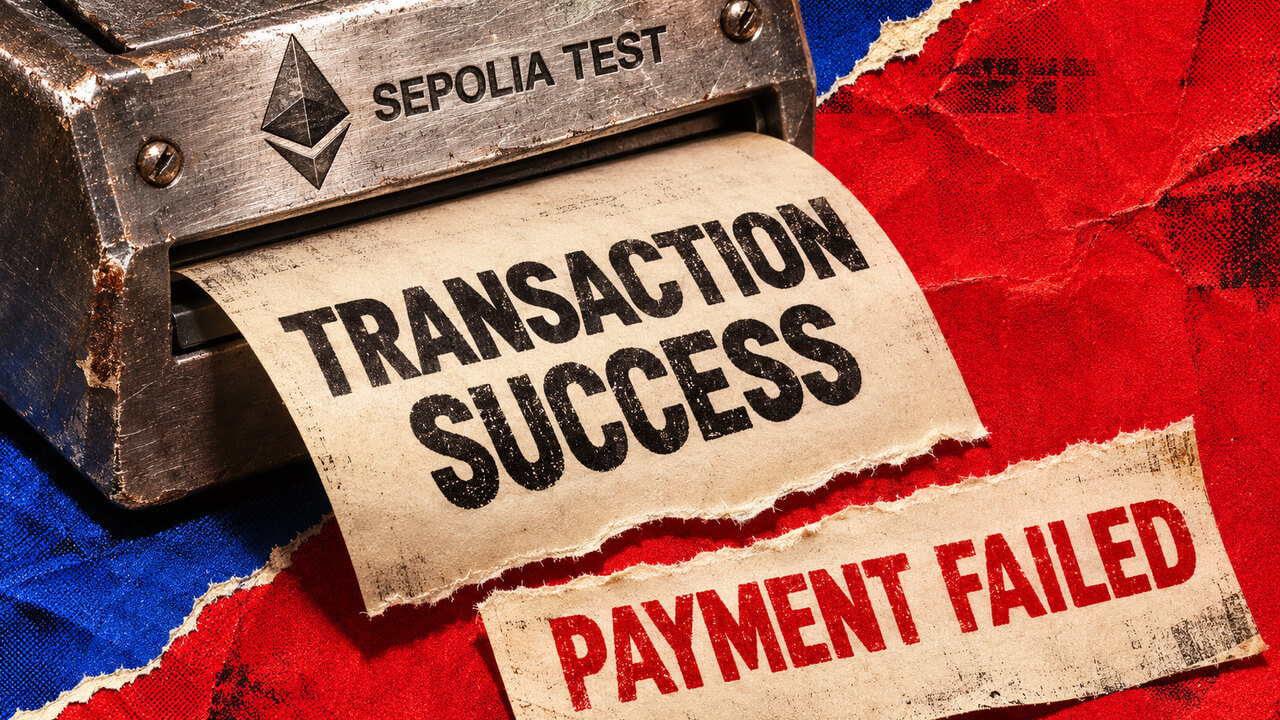
Developer simulations of Juicebox V6's project-payment contracts on the Sepolia test network have identified four paths where transactions succeed while internal payments fail under the tested Glamsterdam rules. These findings were reported by CryptoSlate and highlight concerns over the reliability of smart contract guarantees during the Ethereum upgrade process. The simulations involve testing payment paths across different transaction gas limits, with each scenario pinned to a specific blockchain block (source ID: 1). [1]
In one tested scenario, a buyer retains an NFT while the associated payment to another project fails. Similarly, a cash-out completes without the 2.5% fee being applied within a specific gas limit range. These outcomes were observed in the simulations and are based on deployed contract code through the eth_simulateV1 interface (source ID: 1). [1]
The mainnet comparison runs show that only transaction failures or complete delivery occur across the sampled ranges for all four paths, according to the developer's findings. The distinction arises from which operation runs out of gas first, with internal payments that write fresh storage potentially failing before the outer transaction completes (source ID: 1). [1]
The Ethereum Foundation's testing agenda includes a review of Juicebox's compatibility concerns and proofs of concept within the EIP-8037/8038 investigations. These changes aim to support higher throughput while managing resource demands, and the findings are intended to inform the execution-layer discussion scheduled for Thursday (source ID: 1). [1]
Advertisement
Developer simulations of Juicebox V6's project-payment contracts on the Sepolia test network have identified four paths where transactions succeed while internal payments fail under the tested Glamsterdam rules (1). In one tested scenario, a buyer retains an NFT while the associated payment to another project fails (1). These findings highlight potential issues with the reliability of smart contracts under the proposed upgrade rules. [1]
Tests of Ethereum's proposed Glamsterdam upgrade show that a transaction can succeed while a payment inside it fails, according to developer-published simulations of Juicebox V6's project-payment contracts (1). Four tested paths produced that outcome in the developer's simulations on the Sepolia test network, giving core developers concrete examples of how the changes could alter application payment guarantees (1). [1]
The Nov. 14 runs examine Juicebox V6 contracts that route payments between projects. Their published results include a buyer keeping an NFT while its associated payment to another project fails, and a cash-out completing while a 2.5% fee is forgiven (1). These findings are part of Ethereum's broader investigation into the compatibility of existing applications with proposed protocol changes (1). [1]
Developer simulations of Juicebox V6's project-payment contracts on the Sepolia test network have identified four paths where transactions succeed while internal payments fail under the tested Glamsterdam rules (1). These findings highlight a potential flaw in the upgrade's design, as it could allow transactions to complete without ensuring that all associated payments are processed correctly. According to the developer's findings, the mainnet comparison runs show that only transaction failures or complete delivery occur across the sampled ranges for all four paths, indicating a discrepancy in how internal payments are handled under the new rules (1). [1]
Advertisement
Tests of Ethereum's proposed Glamsterdam upgrade show that a transaction can succeed while a payment inside it fails, according to developer-published simulations of Juicebox V6's project-payment contracts (1). In one tested scenario, a buyer retains an NFT while the associated payment to another project fails. The Nov. 14 runs examine Juicebox V6 contracts that route payments between projects, with their published results including a buyer keeping an NFT while its associated payment to another project fails, and a cash-out completing while a 2.5% fee is forgiven (1). [1]
The developer mejango explains that the tests use deployed contract code through eth_simulateV1, with each simulation involving a fresh project being launched and funded before testing payment paths across different transaction gas limits (1). In the reported skip band, the cash-out completes while its internal fee fails, with these being simulated outcomes (1). The distinction between transaction status and internal payment delivery is highlighted, with the developer's explanation pointing to which operation runs out of gas first under the tested Glamsterdam rules (1). [1]
Developer simulations of Juicebox V6's project-payment contracts on the Sepolia test network have identified four paths where transactions succeed while internal payments fail under the tested Glamsterdam rules (1). These findings highlight a potential flaw in the proposed upgrade, as the tests show that a transaction can succeed while a payment inside it fails (1). The simulations, conducted using deployed contract code through eth_simulateV1, involve launching a fresh project and funding it before testing various payment paths across different transaction gas limits (1). [1]
In one scenario, a buyer retains an NFT while the associated payment to another project fails, and in another, a cash-out completes while a 2.5% fee is forgiven (1). The developer mejango explains that the tests use deployed contract code through eth_simulateV1, with each simulation involving a fresh project being launched and funded before testing payment paths across different transaction gas limits (1). The V6 payout test reports successful transactions that skip a split to another project, leaving that money in the paying project (1). [1]
Advertisement
The mainnet comparison runs show that only transaction failures or complete delivery occur across the sampled ranges for all four paths, according to the developer's findings (1). Under the tested Glamsterdam rules, an internal payment that writes fresh storage can fail before the outer transaction does (1). The contract's try/catch error handling absorbs that failure and lets the surrounding operation finish (1). [1]
Sources
Prepared with AI assistance from the cited sources.
The Cali Reporter newsletter
The stories worth your time.
California, the country, and what comes next. Join our free newsletter for reporting that keeps you informed.
More in Business
- Kirkland Signature Meals: A Family's Take on Taste and Value
A family's review of Kirkland Signature meals highlights a mix of flavors, textures, and value at Costco, with some dishes standing out while others fall short of expectations.
- Ex-OpenAI Engineer Donates Equity to AI Safety
Jacob Coxon, a former engineer at OpenAI and Anthropic, has pledged to donate his equity in OpenAI to AI safety research, citing concerns over the risks of uncontrolled AI development.
- Scottish Hacker Sentenced for Crypto Theft Scheme
A Scottish hacker has been sentenced to six years in U.S. federal prison for orchestrating a large-scale cryptocurrency theft operation, according to a report from the U.S. Attorney’s Office for the Central District of…