Eric Jones Ousts Longtime Rep. Mike Thompson in Northern California Race
A self-funded political newcomer has defeated a longtime incumbent in a key Democratic primary race in Northern California, signaling a shift in the region’s political landscape.

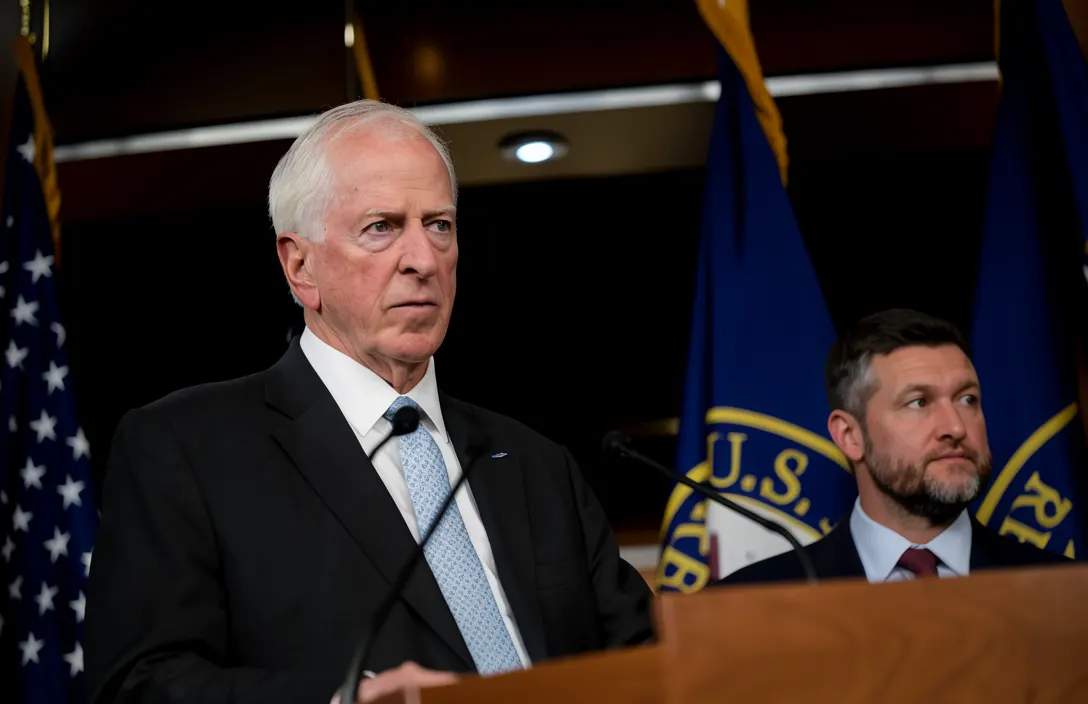
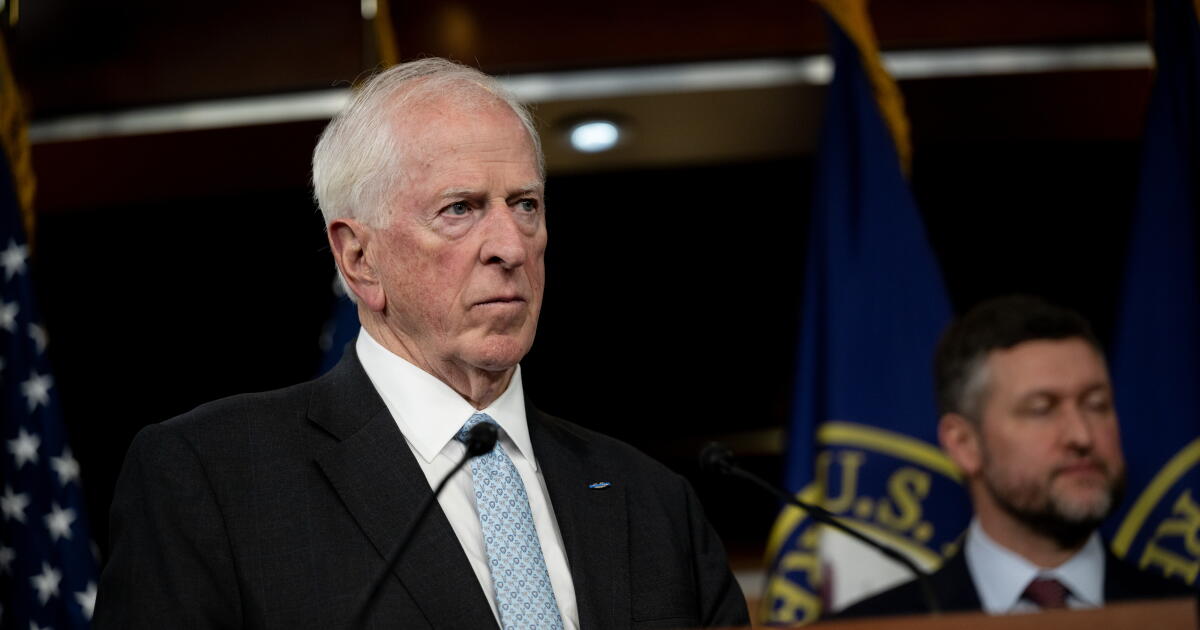
According to a report from the Los Angeles Times, self-funded political newcomer Eric Jones has defeated longtime Rep. Mike Thompson in the Democrat-on-Democrat contest for Northern California’s 4th District. Ten days after the Nov. 3 election, the Associated Press declared Jones the winner, with Jones leading Thompson 52.5% to 47.5% as of Friday evening. Jones, a venture capitalist and nonprofit executive who grew up in a working-class household, will now represent a district that was redrawn under Proposition 50 to extend from Napa County to Sutter County. His campaign focused on campaign reform, reducing the cost of living, and ensuring fiscal responsibility to safeguard the district’s future. Jones spent $14.8 million of his own money on the race, running an active campaign that included more than 200 town halls and reaching out to half a million voters through door-to-door outreach. He emphasized a personal approach, stating that he personally answered every email and provided coffee chats with voters. This grassroots strategy seems to have connected with the district’s residents. [1]
Eric Jones, a 36-year-old father of two and self-funded political newcomer, defeated longtime Rep. Mike Thompson in the Democrat-on-Democrat race for Northern California’s 4th District. Jones campaigned on progressive policies such as expanding Medicare and cutting taxes for low- and middle-income Americans, and emphasized the need for campaign reform, noting that he and the incoming freshman class in D.C. are already addressing the issue. His campaign was supported by figures like Saikat Chakrabarti, former chief of staff to U.S. Rep. Alexandria Ocasio-Cortez (D-N.Y.), and Luis von Ahn, co-founder of Duolingo, as well as Our Revolution, an independent grassroots organization founded by Sen. Bernie Sanders (I-Vt.). Thompson, who served 14 terms in Congress and was a two-term state senator before his election to the House in 1998, had been endorsed by Gov. Gavin Newsom, Sens. Alex Padilla and Adam Schiff, and the California Democratic Party. His campaign focused on issues such as water policy, wildfire management, gun violence prevention, and conservation efforts. [1]
The outcome of the race marks a significant shift in the political dynamics of Northern California’s 4th District, which was redrawn under Proposition 50. Jones’ victory highlights the growing influence of self-funded candidates and the appeal of campaign reform and fiscal conservatism among voters in the region. Thompson, who acknowledged the results in a statement, expressed pride in his service and outlined his contributions on key issues such as water policy and conservation. His legacy in Congress includes his role on the Ways and Means Committee and his leadership on the tax policy subcommittee. As Jones prepares to take office, attention will turn to how his policies align with the needs of a diverse district that spans from Napa County to Sutter County, and what impact his campaign promises will have on local and national politics. The shift in representation raises questions about the future direction of the district and the broader implications for the Democratic Party in California. [1]
The election results have sparked discussions about the changing political landscape in California and the potential for similar upsets in other districts. Jones’ victory is seen as a reflection of voter dissatisfaction with the status quo and a desire for new leadership. As a self-funded candidate, his ability to mobilize resources and engage with voters on a personal level may serve as a model for future candidates. However, the implications of his win remain to be seen, particularly in terms of how his policy positions will be received by constituents and how they will align with the broader priorities of the Democratic Party in Congress. The transition of power from Thompson to Jones marks a pivotal moment in the district’s political history and underscores the importance of grassroots organizing and campaign finance reform in shaping electoral outcomes. [1]
Advertisement
The 4th District has long been a stronghold for Democrats, with Rep. Mike Thompson serving since 1998. However, the redrawn district, which now includes more conservative-leaning areas, has altered the political calculus for candidates. Thompson, who had strong support from local leaders and the California Democratic Party, faced a challenge from Eric Jones, a self-funded candidate with progressive policy positions (source 1). [1]
Jones’ campaign emphasized campaign finance reform, economic equity, and a shift in leadership style, reflecting a growing sentiment among younger voters and grassroots activists. His strategy of holding town halls and engaging directly with voters contrasted with Thompson’s more traditional legislative approach, which focused on issues such as water management, wildfire preparedness, and conservation (source 1). [1]
The redrawn district under Proposition 50 has also brought increased attention to rural and agricultural communities that had been historically underrepresented in state and federal politics. This change has led to a more diverse set of political interests within the district, influencing the platforms of candidates and the priorities of voters (source 1). [1]
Historically, the 4th District has been represented by Democrats who focused on infrastructure, environmental policy, and agricultural support. However, the recent election signals a potential realignment of priorities, with Jones’ emphasis on economic reform and campaign finance transparency resonating with a broader segment of the electorate (source 1). [1]
Advertisement
Eric Jones, a 36-year-old father of two, has emerged as the winner of the closely contested race for Northern California’s 4th District, defeating longtime Rep. Mike Thompson in a surprising upset (1). Jones, a self-funded candidate, spent $14.8 million of his own money on the campaign, which included extensive outreach efforts such as holding more than 200 town halls and knocking on half a million doors (1). His campaign emphasized the need for campaign finance reform, lowering the cost of living, and protecting “our future” by facilitating a government that lives within its means (1). Jones’ victory marks a significant shift in the political dynamics of the district, which was redrawn under Proposition 50 to stretch from the vast wineries of Napa County to the rice fields of Sutter County (1). [1]
The 4th District has historically favored Democrats, as evidenced by Rep. Mike Thompson, who was first elected in 1998 and has focused on issues such as water, wildfires, gun violence, and conservation (1). Thompson, who previously served in California’s 1st District and was a two-term state senator, received support from Gov. Gavin Newsom, Sens. Alex Padilla and Adam Schiff, as well as the California Democratic Party (1). In contrast, Eric Jones’ campaign drew backing from figures such as Saikat Chakrabarti, former chief of staff to U.S. Rep. Alexandria Ocasio-Cortez (D-N.Y.), Duolingo CEO and co-founder Luis von Ahn, and Our Revolution, an independent grassroots organization founded by Sen. Bernie Sanders (I-Vt.) (1). Jones, a self-funded political newcomer who spent $14.8 million of his own money on the race, campaigned on progressive policies such as expanding Medicare and cutting taxes for low- and middle-income Americans, which appealed to voters who felt excluded from the political process (1). [1]
The redrawn district under Proposition 50 has brought increased attention to rural and agricultural communities that had been historically underrepresented in state and federal politics (1). Historically, the 4th District has been represented by Democrats who focused on infrastructure, environmental policy, and agricultural support (1). Jones’ victory has sparked discussions about the changing political landscape in California and the potential for similar upsets in other districts (1). The outcome of the race may signal a broader trend of younger voters and grassroots activists influencing the political direction of the state (1). [1]
Rep. Thompson acknowledged the election results in a statement, expressing pride in his service and listing his work on water issues, wildfires, gun violence, and conservation (1). He emphasized that his team had always lived by the principle of serving the people of the district (1). Meanwhile, Jones’ victory has raised questions about the future of campaign finance reform and the role of self-funded candidates in shaping the political landscape of California (1). As the new representative, Jones will now lead a district that has been redrawn to include a broader range of communities, reflecting the evolving political dynamics of the region (1). [1]
Advertisement
Eric Jones’ victory over Rep. Mike Thompson highlights a growing trend of outsider candidates challenging established politicians, particularly within the Democratic Party. Jones, a self-funded candidate who invested heavily in his campaign, emphasized campaign finance reform and progressive policies such as expanding Medicare and cutting taxes for low- and middle-income Americans. His approach, which included extensive grassroots outreach, resonated with voters who feel disconnected from traditional political figures (1). As Jones moves forward, one key question is how effectively he can translate his campaign promises into legislative action, particularly on issues like campaign finance reform and economic equity. His ability to work with fellow Democrats, including those with differing priorities, will be crucial in determining his influence in Congress (1). [1]
The redrawn boundaries of California’s 4th District under Proposition 50 have significantly altered the demographic and geographic makeup of the area, bringing more rural and agricultural communities into the spotlight. These changes have increased the visibility of regions that were previously underrepresented in state and federal politics. As Jones takes office, he must navigate the diverse interests of these communities, which include concerns about agricultural support, environmental policy, and infrastructure development (1). Another open question is how Jones will balance these regional priorities with the broader progressive agenda he campaigned on. His success in uniting different factions within the district could set a precedent for future elections, particularly in districts that have undergone similar redistricting (1). [1]
Jones’ win also raises questions about the future of Democratic leadership in California and the broader implications for the party’s strategy. Thompson, a long-serving member of Congress, had strong support from influential figures such as Gov. Gavin Newsom and Sens. Alex Padilla and Adam Schiff. His defeat may signal a shift in the party’s approach to leadership and representation, particularly among younger voters and grassroots activists (1). Looking ahead, it remains to be seen whether Jones’ victory will inspire similar upsets in other districts or if it will be an isolated event. The next few months will be critical in determining how Jones’ policies are received and how they align with the broader goals of the Democratic Party in California (1). [1]
The election also brings attention to the role of self-funding in modern political campaigns. Jones’ investment of $14.8 million into his race was a significant factor in his ability to compete against an experienced incumbent like Thompson. This raises questions about the future of campaign financing and whether other candidates will follow a similar path. As Jones begins his tenure, his ability to maintain the support of his grassroots network and his campaign donors will be a key factor in his success (1). Additionally, the involvement of prominent figures such as Saikat Chakrabarti and Luis von Ahn in Jones’ campaign suggests a potential shift in how political campaigns are organized and funded in the future (1). [1]
Advertisement
Editorial note: This article is sourced. Some claims are awaiting further verification.
Sources
Prepared with AI assistance from the cited sources.
The Cali Reporter newsletter
The stories worth your time.
California, the country, and what comes next. Join our free newsletter for reporting that keeps you informed.
More in Los Angeles
- Los Angeles Officials Reach Preliminary Agreement on Olympic Contracts
Los Angeles officials have reached an unprecedented preliminary agreement to ensure local businesses receive a meaningful share of the estimated $4 billion in contracts for the 2028 Summer Olympics.
- California's New Insurance Commissioner Proposes Government-Run Wildfire Program
California's new insurance commissioner, Jane Kim, has introduced a plan to create a government-run wildfire insurance program aimed at addressing the state's growing home insurance crisis.
- Surfing Legend's Murder Investigation Expands
New evidence has emerged in the murder case of Kurt Van Dyke, a renowned California surfer, revealing a broader involvement of individuals beyond his girlfriend.