Erect-Crested Penguin Populations Show Contrasting Trends
A new study reveals that the Erect-crested penguin populations on the Bounty and Antipodes islands are experiencing dramatically different outcomes, with one stable and the other declining sharply.

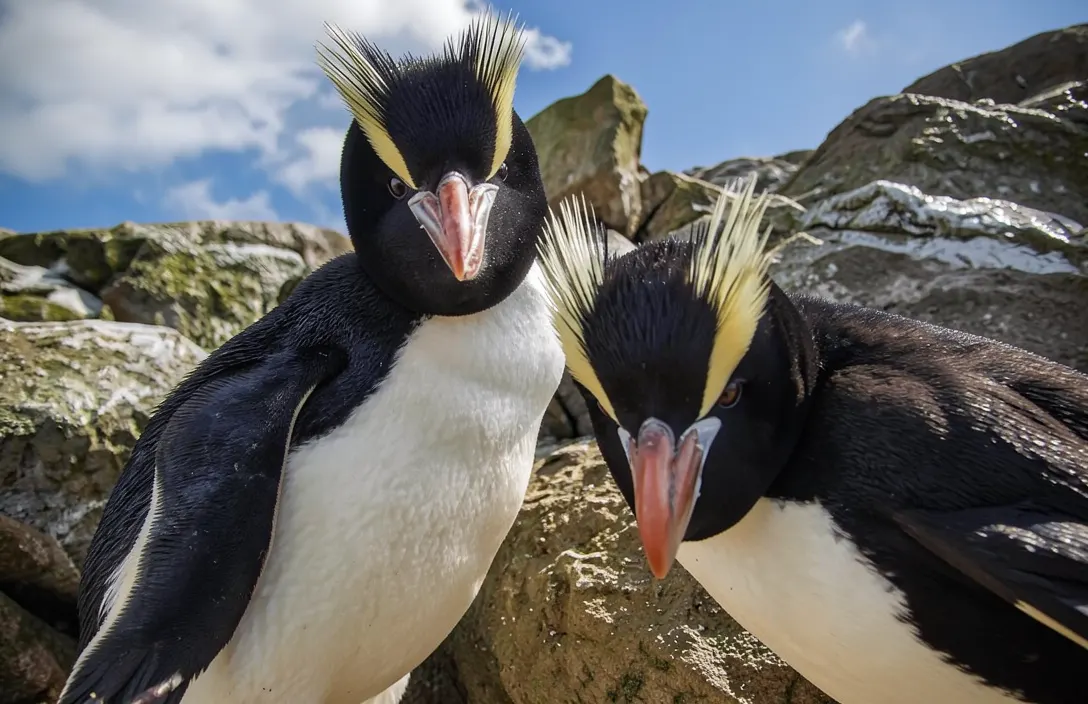
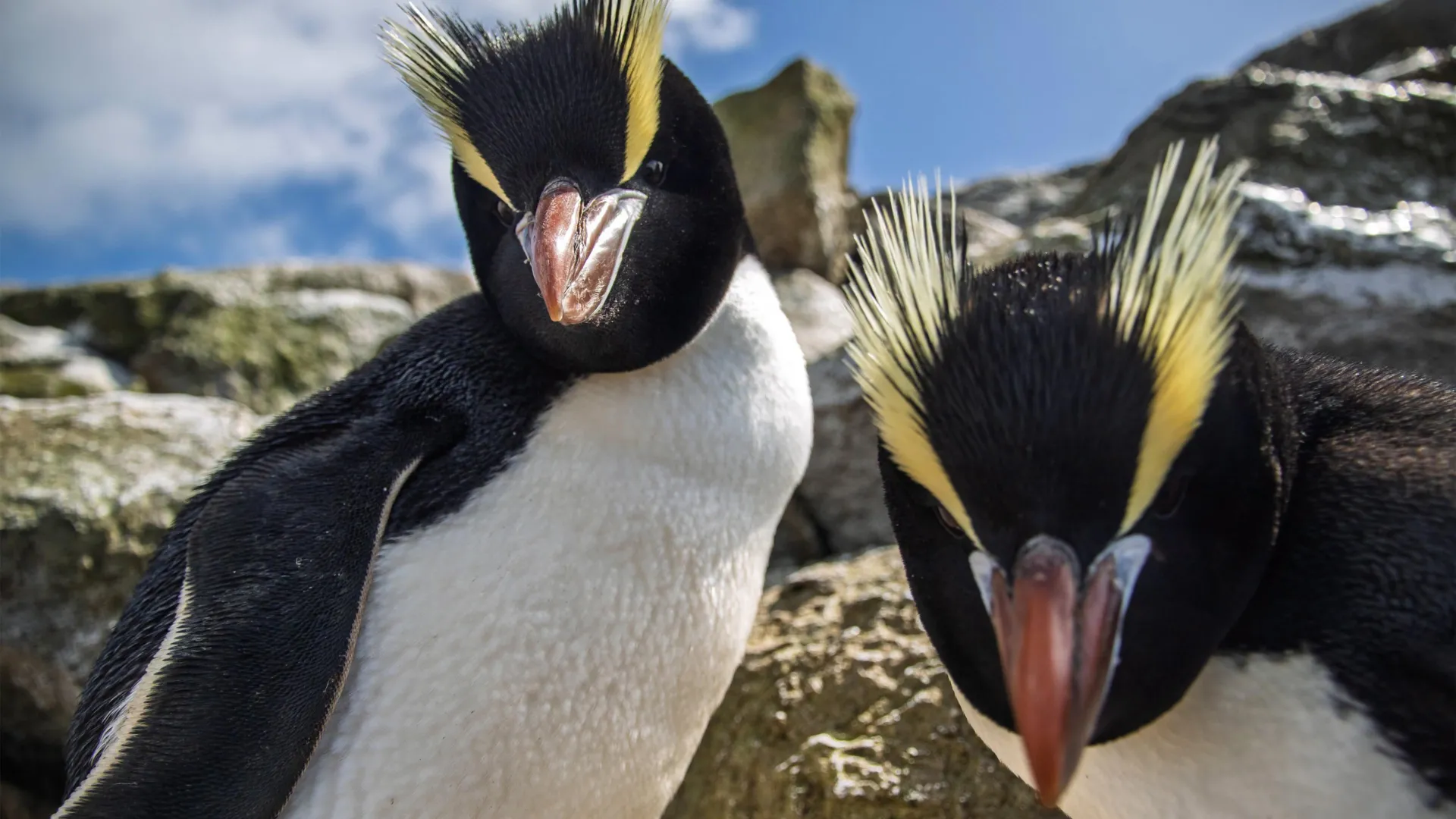
A new study from the University of Otago, Ōtākou Whakaihu Waka, has revealed a surprising divide in the fortunes of one of New Zealand's least understood penguin species. The research, published in PLOS ONE, found that the population on the Bounty Islands has remained stable for at least 25 years, while the population on the Antipodes Islands has declined by more than 40 percent over the past three decades (source ID: 1). [1]
Drone surveys conducted between 2022 and 2024 provided the first comprehensive population survey of the entire species. The results overturned a long-standing assumption that the Antipodes Islands, which are 40 times larger than the Bounty Islands, were the species' stronghold (source ID: 1). [1]
Researchers believe several overlapping pressures may explain the decline on the Antipodes Islands, including predation by skuas, increasingly destructive storms, and differences in migration patterns. As the population has declined, the collective defense of nesting together has weakened, allowing predation losses to increase (source ID: 1). [1]
The study highlights the importance of examining individual populations rather than relying on a species' global status for conservation efforts. The researchers warn that combining the two populations into a single assessment could mask the severity of the decline on the Antipodes Islands (source ID: 1). [1]
Advertisement
A new study from the University of Otago, Ōtākou Whakaihu Waka, has revealed a surprising divide in the fortunes of one of New Zealand's least understood penguin species. The research found that one population has remained stable for at least 25 years, while the other has declined by more than 40 percent over the past three decades (source ID: 1). The study was led by Dr. Thomas Mattern of the Tawaki Project, which brings together scientists from the university's Departments of Zoology and Marine Science. Drone surveys conducted between 2022 and 2024 provided the first comprehensive population survey of the entire species, revealing that the Bounty Islands, despite being much smaller, hold almost as many breeding pairs as the Antipodes Islands (source ID: 1). [1]
Researchers believe several overlapping pressures may explain the decline on the Antipodes Islands, including predation by skuas, increasingly destructive storms, and differences in migration patterns (source ID: 1). As Antipodes colonies have shrunk over recent decades, the collective defense they once provided against native subantarctic birds, the skua, has weakened, allowing predation losses to increase and colonies to fragment further (source ID: 1). Co-author Dr. Klemens Pütz of the Antarctic Research Trust suggests that changes involving another penguin species may have intensified this pressure (source ID: 1). [1]
Stronger storms and different migration routes add to the threat facing penguins on the Antipodes Islands. According to Dr. Mattern, penguins breeding on the Antipodes Islands migrate considerable distances into the Antarctic Polar Frontal Zone when the breeding season ends, unlike the Bounty Islands population, which remains closer to its nesting grounds (source ID: 1). These differences could leave the two populations exposed to very different environmental pressures, despite belonging to the same species (source ID: 1). [1]
A new study from the University of Otago, Ōtākou Whakaihu Waka, has revealed a surprising divide in the fortunes of one of New Zealand's least understood penguin species. Although Erect-crested penguins breed in just two remote island groups, their populations are experiencing dramatically different outcomes. Published in PLOS ONE, the research found that one population has remained stable for at least 25 years, while the other has declined by more than 40 percent over the past three decades (source ID: 1). [1]
Advertisement
Drone surveys conducted between 2022 and 2024 provided the first comprehensive population survey of the entire species. Researchers discovered that the Bounty Islands, at just 50 hectares, were found to hold almost as many breeding pairs (about 27,800) as the Antipodes Islands (about 29,800), even though the latter is 40 times larger and historically considered the species' stronghold (source ID: 1). [1]
The difference in population trends was even more unexpected. Despite their small size, the Bounty Islands have maintained a relatively consistent number of breeding penguins for decades. Meanwhile, the much larger Antipodes Islands have experienced a substantial decline. Comparing the new counts with historical records going back to the mid-1990s, the Bounty Islands population has remained essentially unchanged for at least 25 years (source ID: 1). [1]
Sources
Prepared with AI assistance from the cited sources.
The Cali Reporter newsletter
The stories worth your time.
California, the country, and what comes next. Join our free newsletter for reporting that keeps you informed.
More in Science
- New Study Suggests Uranus and Neptune's Magnetic Fields May Change Dramatically
A new study suggests that the magnetic fields of Uranus and Neptune may be far less stable than previously thought, with their magnetic axes potentially shifting by tens of degrees within decades.
- Dinosaurs May Have Eaten Seaweed Based on Fossil Evidence
New research suggests that marine resources, such as seaweed, may have supplemented the diets of dinosaurs and other prehistoric animals along ancient coastlines, according to a study published in Frontiers in Ecology…
- New Study Suggests Earth May Have Generated Its Own Water
A recent study published in Nature Geoscience proposes that Earth may have created a significant portion of its water through chemical reactions during its formation, rather than relying solely on external sources like…