El Niño-Driven Waves Impact California Coast
California residents and surfers have been drawn to coastal areas as historic El Niño-fueled waves hit the West Coast, prompting warnings from the National Weather Service.

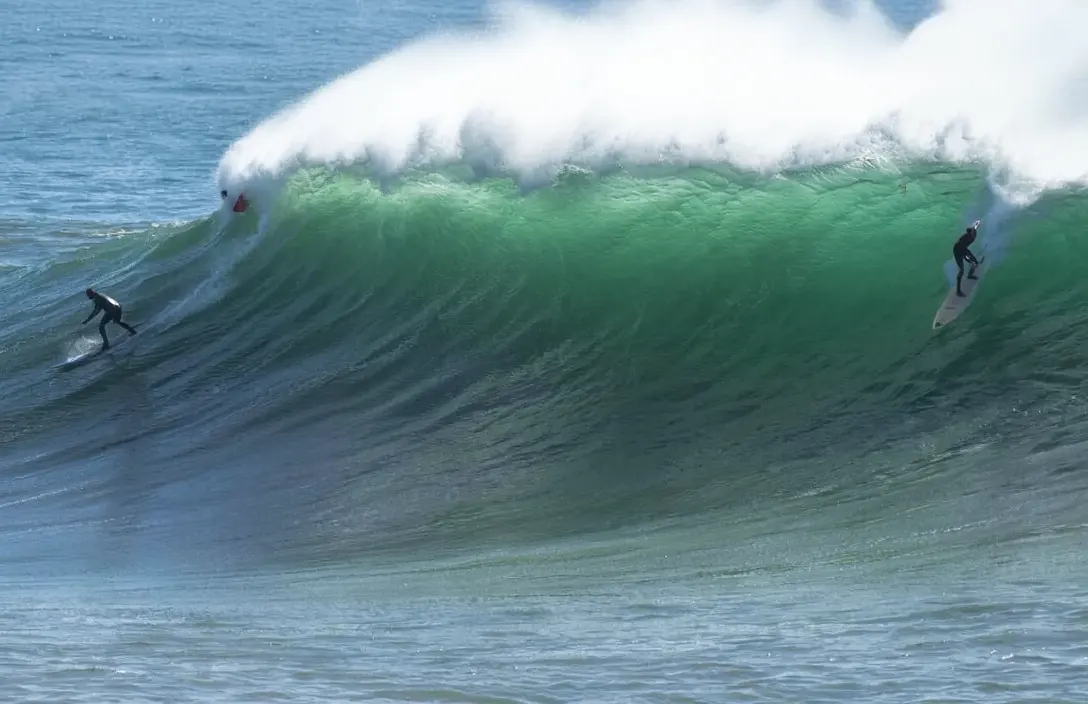

Residents of coastal towns in California have gathered at waterfront areas to witness massive waves caused by a powerful El Niño climate pattern. For several days, heavy surf has been battering the West Coast of the United States, striking piers and flooding coastal regions (source ID 1). [1]
The National Weather Service (NWS) issued a high surf advisory for all beaches along the Pacific Coast, forecasting waves as high as 10.7 meters, or 35 feet. The NWS warned people to avoid the water, stay away from rocks and jetties, and not to turn their back on the ocean due to the risk of dangerous 'sneaker waves' (source ID 1). [1]
Despite the warnings, big-wave watchers have flocked to spots like Mavericks Beach in Half Moon Bay, where waves have reached up to 18 meters, or 60 feet. Some offshore waves have been so strong that they were detected by the Berkeley Seismology Lab, which noted that the impact of these waves is strong enough to cause vibrations across California (source ID 1). [1]
Experts indicate that this year’s heavy rainfall and powerful surf have been intensified by the El Niño phenomenon. Ocean temperatures off the coast of California are reaching record levels for this time of year, with the potential for heavy rain in the coming weeks (source ID 1). [1]
Advertisement
Residents of coastal towns in California have gathered at waterfront areas to witness massive waves caused by a powerful El Niño climate pattern. The National Weather Service (NWS) issued a high surf advisory for all beaches along the Pacific Coast, forecasting waves as high as 10.7 meters, or 35 feet. The advisory emphasized the risks posed by sneaker waves and urged people to avoid the water and stay away from rocks and jetties (1). [1]
Despite the warnings, big-wave watchers have flocked to spots like Mavericks Beach in Half Moon Bay, where waves have reached up to 18 meters, or 60 feet. Mavericks is considered one of the premier big-wave surfing spots in North America, with water cresting as high as a five-storey building. Surfers from across the world have descended on the beach in recent days to catch swells reaching approximately 18 meters, or 60 feet (1). [1]
Some of the offshore waves have been so strong that they were detected by the Berkeley Seismology Lab, which wrote about the phenomenon on its blog. The lab explained that the impact of these waves on the continental shelf is strong enough to make all of California shake, and even cause the entire continent to wiggle slightly (1). [1]
While it is typical for California to experience storms in November and December, this year’s heavy rainfall and powerful surf have been turbocharged by a climate phenomenon known as El Niño. The El Niño pattern occurs when the recurrent warming of the eastern tropical Pacific Ocean releases heat into the atmosphere. Experts say ocean temperatures off of California are reaching record levels for this time of year, making the water feel warmer than normal (1). [1]
Advertisement
Residents of coastal towns in California have gathered at waterfront areas to witness massive waves caused by a powerful El Niño climate pattern. The National Weather Service (NWS) issued a high surf advisory for all beaches along the Pacific Coast, forecasting waves as high as 10.7 meters, or 35 feet (Source 1). The NWS also emphasized the danger of sneaker waves, which can unexpectedly pull people into the ocean with deadly force. This warning comes as a Pacific storm is expected to bring further rain and snowfall to the western United States this week (Source 1). [1]
Despite the warnings, big-wave watchers have flocked to spots like Mavericks Beach in Half Moon Bay, where waves have reached up to 18 meters, or 60 feet (Source 1). Mavericks is a renowned big-wave surfing location, and the current wave heights have been described as equivalent to a five-storey building. Surfers from around the world have traveled to the area to ride the powerful swells (Source 1). [1]
Some of the offshore waves have been so strong that they were detected by the Berkeley Seismology Lab, which wrote about the phenomenon on its blog (Source 1). The lab explained that the waves' impact on the continental shelf is strong enough to cause vibrations across California and even the entire continent. This year’s heavy rainfall and powerful surf have been intensified by the El Niño phenomenon, which is characterized by the warming of the eastern tropical Pacific Ocean (Source 1). [1]
Residents of coastal towns in California have gathered at waterfront areas to witness massive waves caused by a powerful El Niño climate pattern. The National Weather Service (NWS) issued a high surf advisory for all beaches along the Pacific Coast, forecasting waves as high as 10.7 meters, or 35 feet (Source 1). Despite the warnings, big-wave watchers have flocked to spots like Mavericks Beach in Half Moon Bay, where waves have reached up to 18 meters, or 60 feet (Source 1). [1]
Advertisement
Some of the offshore waves have been so strong that they were detected by the Berkeley Seismology Lab, which wrote about the phenomenon on its blog (Source 1). The lab explained that the impact of these waves is strong enough to make all of California shake, with the entire continent experiencing a slight wiggle (Source 1). [1]
While it is typical for California to experience storms in November and December, this year’s heavy rainfall and powerful surf have been turbocharged by a climate phenomenon known as El Niño (Source 1). The El Niño pattern occurs when the recurrent warming of the eastern tropical Pacific Ocean releases heat into the atmosphere (Source 1). [1]
Sources
Prepared with AI assistance from the cited sources.
The Cali Reporter newsletter
The stories worth your time.
California, the country, and what comes next. Join our free newsletter for reporting that keeps you informed.
More in World
- Irish Man Charged with Destroying U.S. Military Aircraft at Shannon Airport
A man from Ireland has been indicted for allegedly destroying a U.S. military aircraft at Shannon Airport, according to prosecutors in New York.
- Trump's APEC Summit and Strategic Meetings
President Donald Trump is set to attend the APEC summit in Shenzhen, China, where he is expected to meet with Chinese President Xi Jinping and participate in a trilateral meeting with Russian President Vladimir Putin,…
- Early Snowfall in Northern England and Scotland
Snowfall occurred in parts of Northern England and southern Scotland, with subsequent melting due to milder temperatures, according to the BBC.