Effort to Circumvent Electoral College May Be Within Reach, But Hurdles Remain
A national initiative to shift presidential elections to a national popular vote could gain momentum following Democratic victories in recent midterms, but significant legal and political challenges remain.

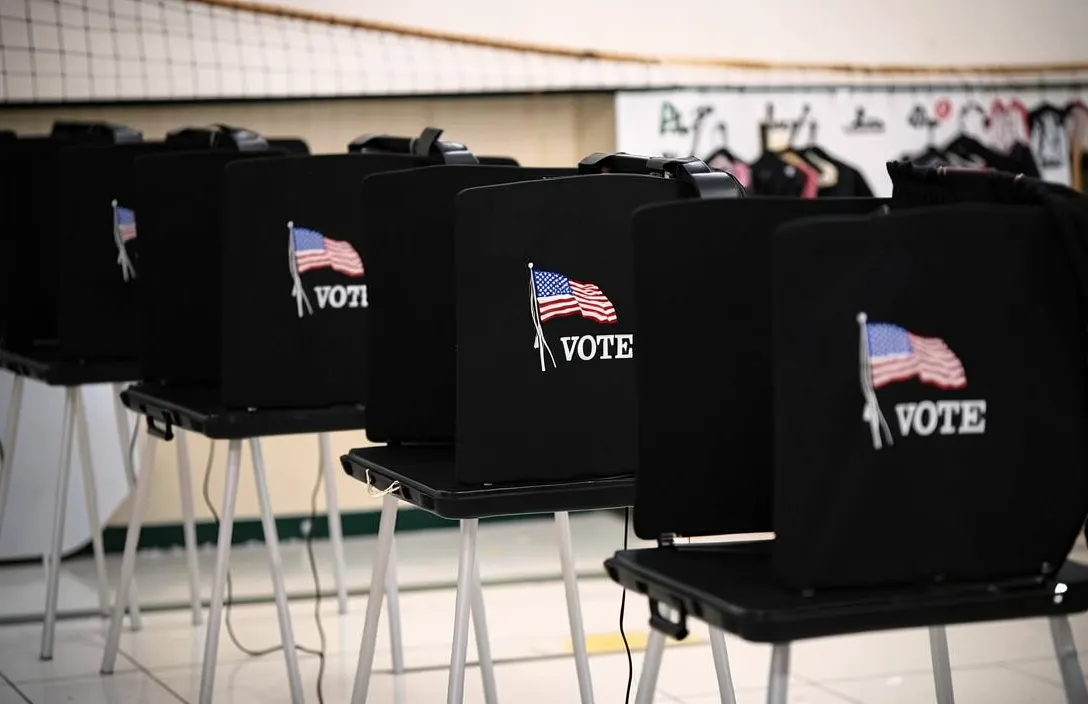

A national effort to ensure that only winners of the popular vote become president could reach a critical milestone soon, following large Democratic wins in this month’s midterm elections. If Democrats fully control five states—Arizona, Pennsylvania, Michigan, Nevada, and Wisconsin—that could sign the National Popular Vote Interstate Compact, the effort would surpass the needed 270 electoral votes required to go into effect, according to evidence from OPB: West Coast (1). This agreement among states aims to award their presidential electoral votes to the nationwide popular vote winner instead of the state’s own election winner. [1]
The compact currently has 222 electoral votes, and the five states mentioned add up to 61 electoral votes. Combinations of at least four of those states would put the compact over 270, as per the same source (1). Governors and incoming governors in Pennsylvania and Nevada have expressed openness to signing legislation that would bring their states into the agreement, but other governors have yet to publicly weigh in. The initiative remains subject to political, practical, and legal hurdles, despite optimism from proponents. [1]
Legal scholars have raised concerns that the agreement could conflict with the compact clause in the Constitution, which restricts states from entering agreements without congressional consent, as cited by OPB: West Coast (1). Constitutional law professor Norman Miller noted that the reform could upend the decentralized nature of U.S. elections and raise practical issues, such as the need for standardized voting rules and federal oversight. However, proponents argue that current state and federal laws already provide for certified vote counts, and the compact would simply require adding them up. [1]
The National Popular Vote Interstate Compact, an agreement among states to award their presidential electoral votes to the winner of the nationwide popular vote, could soon reach a critical milestone. If Democrats fully control five states—Arizona, Pennsylvania, Michigan, Nevada, and Wisconsin—these states could add 61 electoral votes to the compact, bringing its total to 222 + 61 = 283 electoral votes (OPB: West Coast 1). This would surpass the 270 electoral votes needed to activate the compact, allowing it to function as a de facto replacement for the Electoral College (OPB: West Coast 1). [1]
Advertisement
Currently, the compact includes 18 Democratic-led states and the District of Columbia, but no Republican-led states have joined. The addition of the five states mentioned could change that dynamic significantly. Governors in Pennsylvania and Nevada have expressed openness to signing legislation that would bring their states into the agreement, although other governors have yet to publicly comment on the issue (OPB: West Coast 1). [1]
However, the effort faces significant legal and practical challenges. Legal scholars have raised concerns that the compact could conflict with the Constitution’s compact clause, which restricts states from entering agreements without congressional consent (OPB: West Coast 1). Norman Miller, a constitutional law professor at Willamette University, has pointed out that the compact may create tension by forcing electors from one state to vote according to the tallies in another state, potentially undermining the decentralized nature of current election systems (OPB: West Coast 1). [1]
A national effort to ensure that only winners of the popular vote become president could reach a critical milestone soon, following large Democratic wins in this month’s midterm elections. The compact currently has 222 electoral votes, and the five states mentioned add up to 61 electoral votes (OPB: West Coast 1). [1]
Next year, Democrats will fully control five states that could sign the National Popular Vote Interstate Compact, an agreement among states to award their presidential electoral votes to the winner of the nationwide popular vote, not the winner of their respective states. If they do join other 18 Democratic-led states — plus the District of Columbia — that are in the compact, the effort will have surpassed the needed 270 electoral votes required to go into effect (OPB: West Coast 1). [1]
Advertisement
So far, governors and incoming governors in Pennsylvania and Nevada have said they are open to signing legislation that would bring their states into the interstate agreement. But other governors have yet to publicly weigh in. One of the looming questions over these efforts is whether these states – all presidential battlegrounds – would be willing to give up their immense influence in elections ahead of the 2028 presidential contests (OPB: West Coast 1). [1]
Sources
Prepared with AI assistance from the cited sources.
The Cali Reporter newsletter
The stories worth your time.
California, the country, and what comes next. Join our free newsletter for reporting that keeps you informed.
More in West Coast
- COP31 Collapse Highlights Climate Negotiation Challenges
The collapse of COP31, the U.N. climate talks in Turkey, has underscored the difficulties in achieving global consensus on climate action, with experts emphasizing the need for reform and individual efforts moving…
- ScienceWorks Museum to Transition to Community Science Center
ScienceWorks Hands-On Museum in Ashland, Oregon, is pausing most activities and transitioning to a community science center with new resources for all ages, according to a report by Jefferson Public Radio.
- Seniors Embrace Tesla's Automated Driving Despite Safety Concerns
A growing number of older drivers are using Tesla's Full-Self Driving (Supervised) technology to maintain their independence, despite warnings from safety experts about potential risks.