

Edinburgh Leith Walk Bike Boom: Cars Outnumbered for First Time During Morning Rush Hour
Historic traffic data from Scottish cycling charities reveals a significant shift in urban mobility

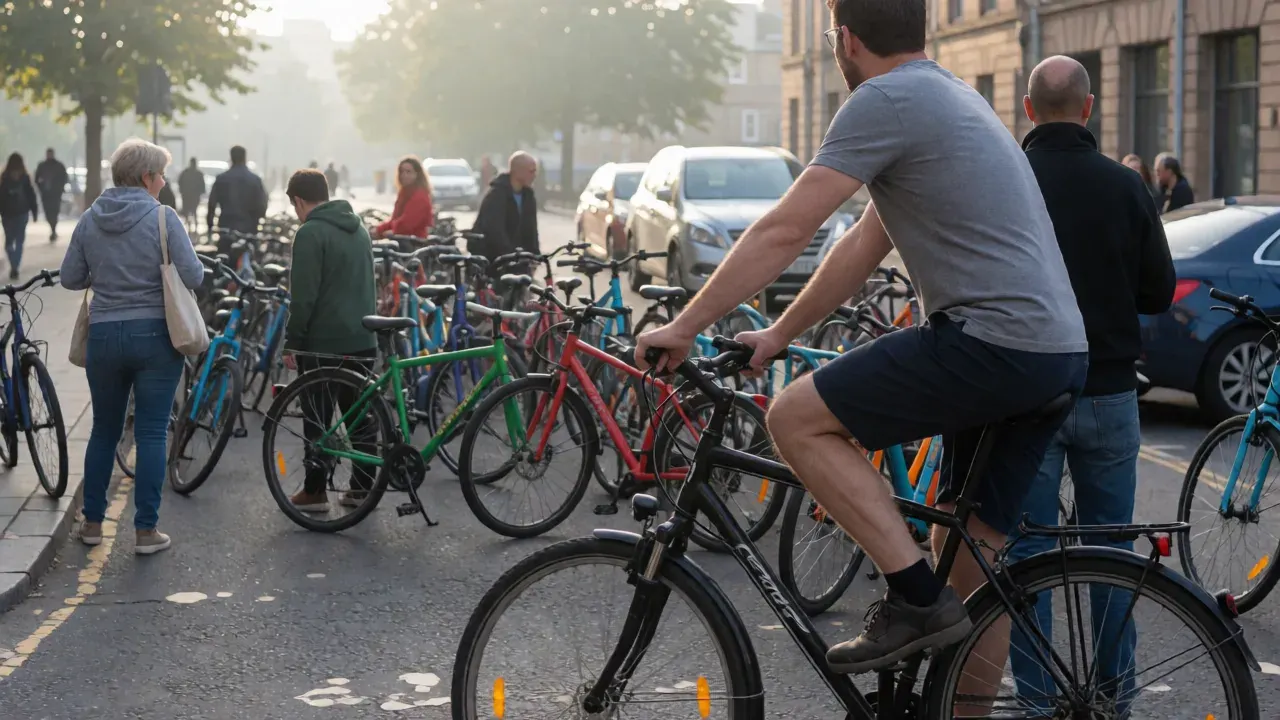
For the first time in history, bicycles outnumbered cars on a major Scottish thoroughfare during a busy morning rush hour. The historic shift occurred on Leith Walk in the Scottish capital. This long street runs from the city center towards its eponymous port district and features extensive shopping areas and vibrant character. Data analyzed by the Scottish cycling charity Cycling Scotland shows that during the 8 a.m. to 9 a.m. timeframe on a recent morning, the number of bikes exceeded the number of cars. The change is attributed to a combination of e-bike rentals and the presence of segregated bike lanes.
The popularity of the e-bike rental program played a major role in this record-breaking shift. Since launching last September, the program has recorded 1.46 million trips. The data comes from a 48-hour nationwide traffic survey conducted in mid-May. This survey recorded traffic of all kinds along urban thoroughfares across Scotland. The results showed that bicycle journeys accounted for 67,000 trips during that two-day period. This figure represents a 25 percent increase compared to the same period last year. The success of the segregated lanes is becoming evident in other Scottish cities as well.
Cycling numbers are growing rapidly in Glasgow and on specific routes like Clyde Street and Garscube Road. Statistics show these roads recorded more bike journeys than ever before. One particularly notable route is Victoria Road where cycling accounted for 16 percent of all traffic. Infrastructure improvements seem to be encouraging more people to choose two wheels for their daily commute. The Cabinet Secretary for Economy, Tourism and Transport Stephen Flynn commented on the data. Flynn said that the record levels of use on Glasgow’s South City Way and Edinburgh’s City Centre West-East Link demonstrate that the infrastructure provided is helping people travel by bike for everyday journeys.

The experience of one local resident highlights the personal impact of these changes. Kirsty Milton-Moir is an NHS health visitor who visits families to check on babies’ development. She uses the new cycle lanes to get to work and appointments in Glasgow. Milton-Moir described the experience of cycling as much quicker than driving. She said that this speed cut a massive proportion of time from her visits. She noted that the activity gives her the headspace she needs to reflect on how best to support the families on her caseload. She also spoke about the visual aspect of the lane. "Seeing all the people cycling on the cycle lane is amazing," she said. "I feel so much safer on the cycle lane where I know that that area is for people on bikes, and there are no cars."
Flynn expressed optimism regarding the future of cycling infrastructure in Scotland. He noted that Scottish authorities have an additional $280 million in various infrastructure and mobility projects still in the works. The early success with the sheltered cycling lanes, such as the ones Milton-Moir uses, was extremely encouraging. The data from Leith Walk and Glasgow suggests that this investment in mobility is paying dividends for the community. The historic moment on the morning rush hour route marks a turning point for urban transport in the region.
First reported by Good News Network.
More in Good News
- Historical Milestones: From Scientific Breakthroughs to Civil Rights Advancements
A retrospective look at significant global events occurring on October 7, spanning musical achievements, scientific discoveries, and social progress.
- October 3: Korean Foundation Day, Lincoln’s Thanksgiving, and TV Classics
Marking mythic descent, national unity, and cultural milestones across centuries.
- The Secret Sauce of the Best Food Pantries is Dignity
Why the best food banks treat hunger like a temporary pause not a permanent state