Ebola Survivor Shares Struggles and Hope in DR Congo
A doctor in the Democratic Republic of Congo recounts his battle with Ebola and the challenges of fighting the disease in a region plagued by mistrust and limited resources.

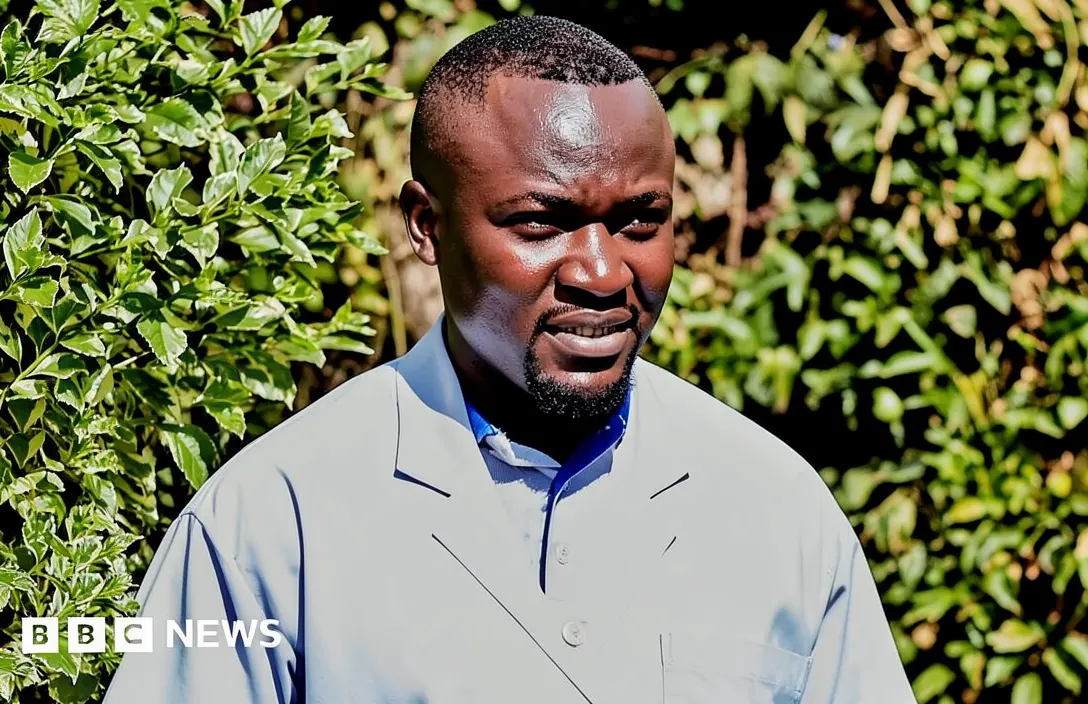

Dr. Raymond Kasereka Kamwanga, a 30-year-old doctor in Butembo, eastern Democratic Republic of Congo, survived Ebola after being treated at a specialized unit despite his family's fear that the facility was a 'death house' (BBC Top Stories, 2023). His mother, Masika Ndungo, was in tears when he decided to seek treatment, pleading with him not to go. However, as a medical professional, Kamwanga knew that staying home would likely result in his death. This was during an Ebola outbreak that had already caused 5,400 deaths and infected 11,000 people, making it the second-most deadly outbreak ever recorded (BBC Top Stories, 2023). [1]
Kamwanga contracted the virus through contact with a patient in a setting where protective measures were not always adequate. His symptoms began gradually, including a bitter taste in his mouth, headaches, and a general feeling of malaise. After initial tests, he returned home, but his condition worsened. Due to the lack of rapid testing equipment in Butembo, samples had to be sent to Beni, 54km away, causing delays in diagnosis (BBC Top Stories, 2023). [1]
After three days at home, Kamwanga experienced severe weakness, muscle pain, vomiting, and diarrhea. He then informed his family of his decision to go to the Ebola treatment center, where he was isolated after his colleagues arrived in protective gear. During his 13-day hospital stay, he relied on his phone to watch movies and read, which helped him maintain his spirits. He eventually recovered and was discharged, but his family initially kept their distance due to fear (BBC Top Stories, 2023). [1]
Kamwanga has since become an advocate for Ebola awareness in his community, sharing his story to combat misinformation and mistrust. However, he faces challenges, including death threats and accusations that he is being paid to spread information about Ebola. He also reports that outreach workers have been attacked and that the government is misappropriating funds meant for the Ebola response (BBC Top Stories, 2023). [1]
Advertisement
Dr. Raymond Kasereka Kamwanga contracted the virus through contact with a patient in a setting where protective measures were not always adequate (source ID 1). After three days at home, Kamwanga experienced severe weakness, muscle pain, vomiting, and diarrhea (source ID 1). His initial symptoms included a bitter taste in his mouth, headaches, and a general feeling of malaise, which led him to contact the Ebola response team (source ID 1). [1]
Kamwanga's journey to recovery was marked by significant personal and community challenges. His mother, Masika Ndungo, initially pleaded with him not to seek treatment at the Ebola treatment center, believing it to be a "death house" (source ID 1). Despite the fear and stigma, Kamwanga insisted on receiving care, emphasizing his role as a doctor and his confidence in the treatment process (source ID 1). [1]
After recovering, Kamwanga has become an advocate for Ebola awareness in his community. He shares his story to combat misinformation and mistrust, distributing photos from his illness to help convince residents that Ebola is real (source ID 1). His efforts include writing a book titled "The Price of Saving Lives" and conducting outreach sessions to educate others about the disease (source ID 1). [1]
Dr. Raymond Kasereka Kamwanga contracted the virus through contact with a patient in a setting where protective measures were not always adequate. He was initially hesitant to seek treatment due to the fear and stigma surrounding Ebola treatment centers, which many in his community view as 'death houses' (source ID 1). Despite his mother's pleas and the general fear among his family, Kamwanga, as a doctor, knew that seeking treatment was his best chance of survival. [1]
Advertisement
After experiencing symptoms such as a bitter taste in his mouth, headaches, and a general feeling of malaise, Kamwanga contacted the Ebola response team. However, the lack of rapid testing facilities in Butembo delayed his diagnosis. He returned home, but his condition worsened, leading to severe weakness, muscle pain, vomiting, and diarrhea (source ID 1). This experience prompted him to inform his family of his decision to go to the Ebola treatment center, despite their fears and emotional distress. [1]
Following his recovery, Kamwanga has become an advocate for Ebola awareness in his community. He uses his personal story to combat misinformation and mistrust, sharing his experience through outreach activities and even writing a book titled 'The Price of Saving Lives' (source ID 1). His efforts are aimed at convincing skeptical residents of the reality of Ebola and the importance of seeking timely medical care, despite the challenges he faces, including death threats and community resistance. [1]
Sources
Prepared with AI assistance from the cited sources.
The Cali Reporter newsletter
The stories worth your time.
California, the country, and what comes next. Join our free newsletter for reporting that keeps you informed.
More in World
- Irish Man Charged with Destroying U.S. Military Aircraft at Shannon Airport
A man from Ireland has been indicted for allegedly destroying a U.S. military aircraft at Shannon Airport, according to prosecutors in New York.
- Trump's APEC Summit and Strategic Meetings
President Donald Trump is set to attend the APEC summit in Shenzhen, China, where he is expected to meet with Chinese President Xi Jinping and participate in a trilateral meeting with Russian President Vladimir Putin,…
- Early Snowfall in Northern England and Scotland
Snowfall occurred in parts of Northern England and southern Scotland, with subsequent melting due to milder temperatures, according to the BBC.