Ebola Outbreak Progress and Challenges in the Affected Regions
The Ebola outbreak has seen significant progress in controlling transmission, but challenges such as insecurity and delays in payments to health workers continue to hinder efforts.

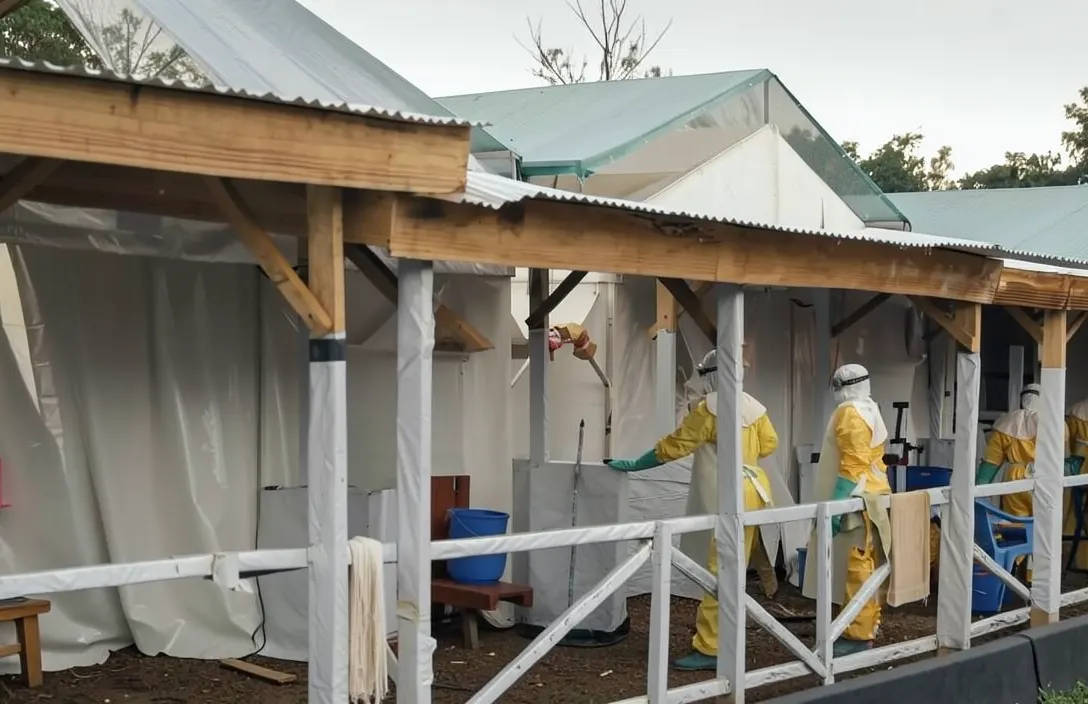
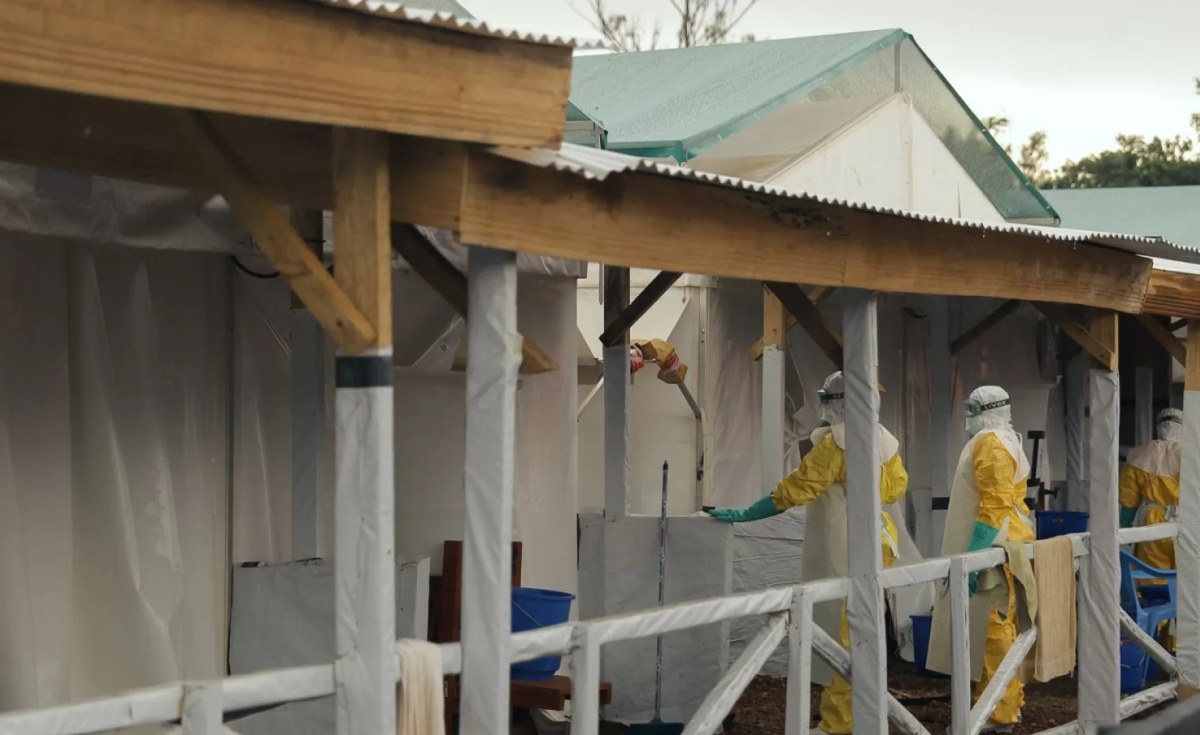
Since the start of the outbreak, more than 11,000 cases and 5,400 deaths have been reported, with children accounting for more than a quarter of confirmed cases and one-third of deaths (All Africa). Seven in 10 children under five with confirmed Ebola have died, highlighting the severity of the impact on vulnerable populations. While the response has slowed transmission in the initial epicentres, 400 to 500 new cases continue to be reported each week, and the outbreak has expanded to 67 health zones in eight provinces. Contact follow-up remains below target, and the high number of deaths occurring in communities indicates that infections are still being identified too late. [1]
Recent imported cases in Kenya and Nigeria underscore the continuing risk of spread beyond national borders. Delays in paying frontline health workers and responders create tension and slow the response. The United Nations, Africa Centres for Disease Control and Prevention, regional economic bodies and humanitarian partners are fully mobilized behind government leadership, with WHO directing the technical health response and the wider humanitarian system enabling access, logistics, protection, and continuity of essential services (All Africa). [1]
Nearly 100 health and humanitarian partners are present across the affected areas, providing essential health services, including treatment for acute malnutrition. Africa CDC and WHO co-lead the joint continental Incident Management Support Team, which supports the technical health response and coordinates health and development partners across affected and at-risk countries in response, preparedness and readiness (All Africa). [1]
Insecurity remains one of the greatest obstacles to the response. Attacks and threats against response teams disrupt lifesaving operations, while ongoing conflict, displacement and movement restrictions continue to complicate response efforts. A recent armed attack in Cantine-Aloya locality led to 66 civilian deaths, including that of three health workers. Three health facilities were looted. More than 1,000 contacts were lost to follow-up, and three confirmed cases remain unaccounted for (All Africa). [1]
Advertisement
Insecurity remains one of the greatest obstacles to the response, as attacks and threats against response teams disrupt lifesaving operations. A recent armed attack in Cantine-Aloya locality led to 66 civilian deaths, including that of three health workers. Three health facilities were looted, and more than 1000 contacts were lost to follow-up, with three confirmed cases remaining unaccounted for (All Africa). [1]
Over 80 attacks on health care have been reported since the outbreak was declared, highlighting the persistent threat to health workers and facilities. A second attack on the town was reported early on 11 November, further complicating response efforts (All Africa). [1]
Ongoing conflict, displacement, and movement restrictions continue to complicate response efforts, making it difficult to reach affected communities and provide essential health services. A halt in hostilities is urgently needed to protect communities and health workers and to safeguard the progress made over the past six months (All Africa). [1]
Insecurity remains one of the greatest obstacles to the response, as attacks and threats against response teams disrupt lifesaving operations. Over 80 attacks on health care have been reported since the outbreak was declared, highlighting the persistent threat to health workers and facilities (All Africa). These attacks not only endanger the lives of health workers but also hinder the ability to provide essential health services and conduct critical activities such as contact tracing and safe burials. [1]
Advertisement
Ongoing conflict, displacement, and movement restrictions continue to complicate response efforts, making it difficult to reach affected communities and provide essential health services. A recent armed attack in Cantine-Aloya locality led to 66 civilian deaths, including that of three health workers. Three health facilities were looted. More than 1000 contacts were lost to follow-up, and three confirmed cases remain unaccounted for (All Africa). Such incidents underscore the urgent need for a halt in hostilities to protect communities and health workers and to safeguard the progress made over the past six months. [1]
A second attack on the town was reported early on 11 November. These recurring attacks demonstrate the vulnerability of health workers and the fragility of the response efforts. The continued insecurity not only jeopardizes the lives of health workers but also undermines the broader goal of controlling the outbreak and protecting the health of affected communities (All Africa). [1]
Insecurity remains one of the greatest obstacles to the response, as attacks and threats against response teams disrupt lifesaving operations. Over 80 attacks on health care have been reported since the outbreak was declared, highlighting the persistent threat to health workers and facilities. Ongoing conflict, displacement, and movement restrictions continue to complicate response efforts, making it difficult to reach affected communities and provide essential health services (All Africa). [1]
A recent armed attack in Cantine-Aloya locality led to 66 civilian deaths, including that of three health workers. Three health facilities were looted. More than 1000 contacts were lost to follow-up, and three confirmed cases remain unaccounted for. A second attack on the town was reported early on 11 November (All Africa). [1]
Advertisement
The high number of deaths occurring in communities, which account for two-thirds of confirmed deaths, show that infections are still being identified too late. Delays in paying frontline health workers and responders create tension and slow the response. Violence prevents communities from getting help, exacerbating the already complex situation (All Africa). [1]
Sources
Prepared with AI assistance from the cited sources.
The Cali Reporter newsletter
The stories worth your time.
California, the country, and what comes next. Join our free newsletter for reporting that keeps you informed.
More in U.S. News
- Taylor Frankie Paul Hints at Applying for Sam Hartman's 'Bachelor' Season
Taylor Frankie Paul, whose 'Bachelorette' season was canceled, is jokingly suggesting she may apply for Sam Hartman's upcoming 'Bachelor' season.
- Kentucky Couple's Dream Home Turns Into Snake-Infested Nightmare
A Kentucky couple's new home has become a snake-infested nightmare, with evidence suggesting the infestation may have been present for decades.
- Gotham FC Faces Kansas City Current in High-Stakes NWSL Semifinal
Gotham FC and Kansas City Current prepare for a pivotal NWSL semifinal match, with the teams' history and current standings adding significant weight to the game.