Ebola in eastern DR Congo: violence, hunger and a response under siege
UN responders say 400 to 500 infections are still being found each week, armed attacks are disrupting contact tracing and care, and nearly 29 million people face acute food insecurity.

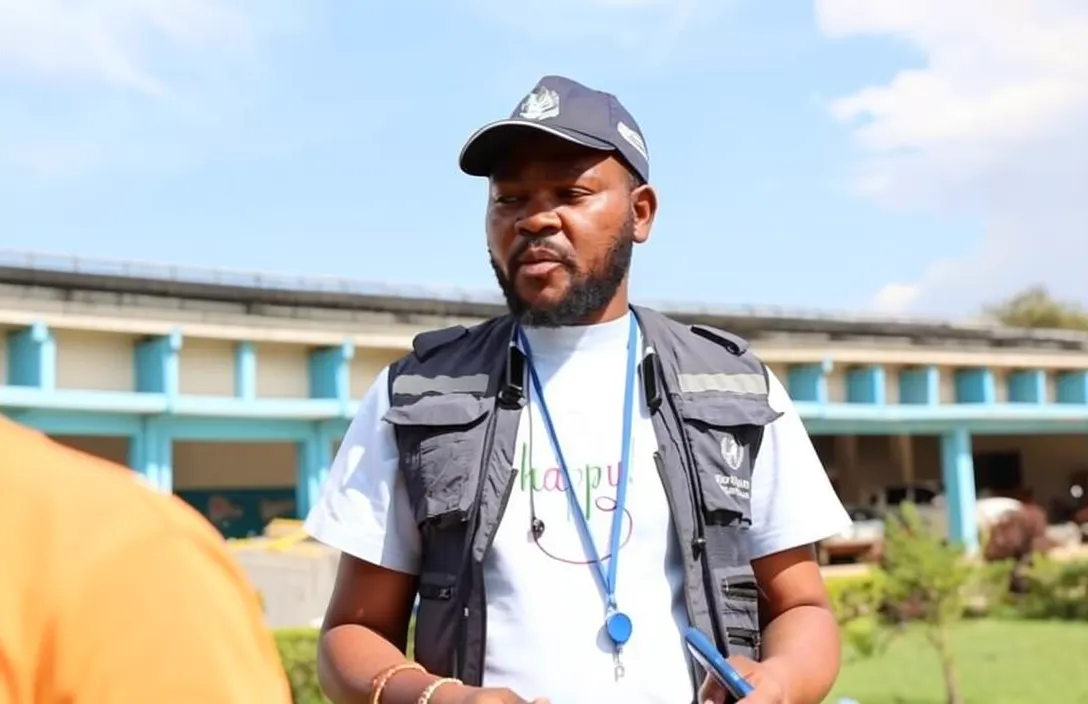
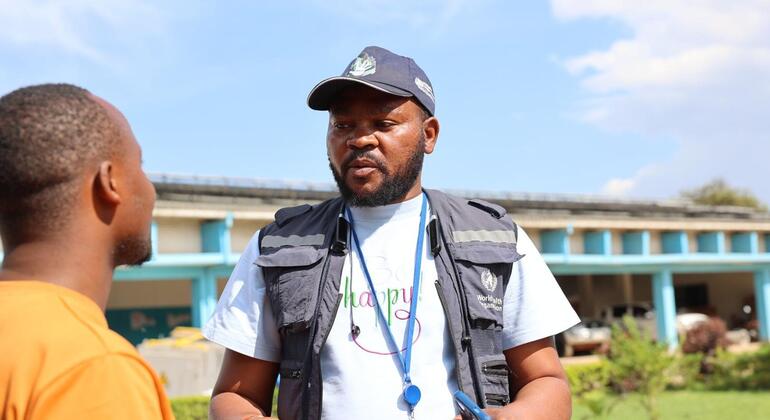
At a 13 November briefing, UN responders described an Ebola outbreak in eastern Democratic Republic of the Congo in which Bundibugyo virus is only one of several forces driving harm. Julien Harneis, the UN Senior Ebola Response Coordinator, said that in recent days the Allied Democratic Forces had killed more people than the Ebola disease itself. He said assaults on dozens of villages in southern Ituri and North Kivu provinces were passing largely without notice, UN News reported. [1]
Harneis described a population that is both frightened and angry about the absence of protection, and he called contact tracing in territory where the ADF is active a very hazardous undertaking. That framing places the response within a security and humanitarian crisis rather than a purely epidemiological one. [1]
Dr Chikwe Ihekweazu, executive director of the World Health Organization's Health Emergencies Programme, said roughly 400 to 500 infections were still being detected weekly, even though transmission had been brought under substantial control in parts of eastern DRC. He associated the continuing caseload with infections appearing in remote, hard-to-reach communities. At the same time, he reported a marked decline in transmission in former hotspots — Bunia, Mongbwalu, Rampara and Nizi, all located in Ituri province. [1]
UN News reported that the outbreak was declared in May and has grown into the country's largest on record, spreading more quickly than any earlier outbreak across the broad eastern and northeastern provinces. A 28 October UN News report noted cases passing 10,000. By the mid-November briefing, the UN report put confirmed cases above 11,000 and deaths above 5,000. Those counts are attributed to UN responders and were not independently verified in the supplied material. [1] [2]
Advertisement
Violence has repeatedly hit the response. WHO condemned attacks on frontline health workers and community awareness officers, including one in Cantine-Aloya in North Kivu in which 66 civilians, among them three health workers, were killed; three health facilities were looted. Two weeks earlier, according to the same report, a nurse was killed and a second health worker seriously injured while responding to an Ebola alert in Tshopo province. Other episodes included an attempt to set a treatment centre on fire and stones thrown at a vehicle used for safe and dignified burials. Separately, UN News reported on 6 November that at least 30 civilians were killed overnight in Beni Territory, North Kivu, according to local sources cited by the UN aid coordination office, OCHA. [1] [2]
Ihekweazu said the violence has struck communities and caregivers alike, citing repeated attacks on health care, on communities and on people providing care, with nurses among those killed in burials. WHO Director-General Tedros Adhanom Ghebreyesus said the response cannot be limited to Ebola, noting that people in affected communities had told him Ebola was a lesser evil compared with other threats they face. [1]
The briefing also pointed to challenges beyond the immediate security picture. Responders described working across a vast area while confronting repeated attacks on health care and on the people providing it. The supplied evidence does not specify the number of response staff deployed, the scale of treatment capacity or the full geographic reach of the operation, so the operational picture remains partial. [1]
This is not the DRC's first Ebola emergency. WHO's Ebola topic page lists the 2026 DRC episode alongside earlier outbreaks: Mubende district in Uganda in 2022; Mbandaka in Equateur province in 2022; North Kivu in 2021; N'Zerekore in Guinea in 2021; Equateur in 2020; North Kivu and Ituri from 2018 to 2020; Bas-Uele in 2017; and West Africa from 2014 to 2016. That record does not by itself account for the current trajectory, but it places responders within a long pattern of repeated outbreaks and established response tools. [3]
Advertisement
WHO's topic page says the Bundibugyo virus disease outbreak detected in May 2026 has expanded rapidly. It lists publications on Bundibugyo virus disease and emergency guidance on the potential use of Ervebo, described as the only licensed Ebola vaccine. It also lists public health advice on integrating gender considerations into Ebola preparedness and response, operational guidance for early detection of filovirus outbreaks, and tailored measures for Bundibugyo virus. Separately, UN News reported on 5 November that two new Ebola vaccine candidates would join a clinical trial in the DRC as the country battles the Bundibugyo outbreak. The supplied evidence contains no trial results or evidence on how the candidates will perform. [2] [3]
Mobility is another dimension. The International Organization for Migration said on 10 November that 71 confirmed Ebola cases had been found along transit routes in the DRC since the outbreak began almost six months earlier. The IOM said, according to UN News' summary, that the finding pointed to a need for wider surveillance beyond formal routes. UN News also reported that Kenya started a 42-day countdown toward ending its Ebola outbreak on 12 November, one day after the last patient under treatment went home and 11 people left quarantine. The supplied evidence does not establish how the transit-route cases relate to the main eastern DRC clusters or to Kenya's outbreak. [2]
UN News' health coverage also places the DRC outbreak alongside other regional concerns. It reported on 10 November that a new report revealed critical gaps in Africa's health information systems, and that quality health data can help authorities identify emerging threats and take lifesaving action. On the same day, it reported that WHO said ending cholera as a public health threat by 2030 is within reach. Those items do not bear directly on Ebola transmission, and the supplied evidence does not link them to the DRC response. [2]
The World Food Programme warned that close to 29 million people in the DRC are facing acute food insecurity, most of them in the conflict- and Ebola-affected eastern and northeastern provinces. Jean-Martin Bauer, WFP's director of food security and nutrition analysis, said that figure is likely to keep rising, and he stressed that conflict, in addition to Ebola, is propelling the hunger crisis. What is needed immediately, he said, is access and resources to keep the situation from deteriorating further in the DRC. [1]
Advertisement
The latest UN-backed food insecurity expert assessments project that 30.3 million people will be at crisis levels of acute food insecurity or worse between January and June 2027, with 4.2 million of them at emergency levels of hunger. The sharpest needs are projected in North Kivu, South Kivu and Ituri provinces, driven by persistent conflict and large-scale displacement, according to the UN report. These are assessments and projections, not current outcomes. [1]
Bauer said families are being displaced and separated from their farms and livelihoods, while rising food prices make a meal unaffordable for too many households. He noted that Ebola is only one of several disease outbreaks in the DRC but that it is worsening the hunger crisis for communities already struggling to eat. The cumulative picture described by UN officials is a response that must handle security, displacement, food access and multiple disease threats simultaneously. [1]
The operational consequences are severe. Contact tracing where the ADF operates is described as hazardous, and attacks on health workers and facilities can disrupt care, burial teams and community awareness efforts. The decline in transmission in Bunia, Mongbwalu, Rampara and Nizi shows containment has worked in some hotspots, according to Ihekweazu, but infections appearing in remote rural areas suggest the response must adapt to new geographies. The supplied evidence does not provide a full provincial breakdown of cases or a complete accounting of attack casualties. [1]
The humanitarian context adds another layer. Bauer said access and resources are what is needed now to prevent the situation from worsening. The food insecurity projections for January to June 2027 point to a period in which needs could stay high, particularly in North Kivu, South Kivu and Ituri. Those projections are not forecasts of Ebola transmission, and the supplied evidence does not model how the outbreak and hunger crisis will interact. [1]
Advertisement
Regional surveillance is also in view. IOM's report of 71 confirmed cases along transit routes shows that mobility is part of the epidemiological picture, while Kenya's 42-day countdown indicates that one neighboring country is moving toward declaring its outbreak over. The supplied evidence does not say whether the transit-route cases were linked to the main outbreak, how they were detected, or what measures followed. [2]
The Bundibugyo dimension matters for how the response is constructed. WHO's emergency guidance centers on Ervebo, described as the only licensed Ebola vaccine, while the trial adding two new candidates is specific to the Bundibugyo outbreak. The supplied evidence does not state whether Ervebo is being used in the current DRC outbreak, how the trial candidates differ, or what the trial's timeline is. Those gaps limit any assessment of how quickly vaccine tools might affect transmission. [2] [3]
Several questions remain unanswered in the supplied evidence. How can responders carry out contact tracing in areas where the ADF operates? What measures will protect health workers and treatment sites amid repeated attacks? Will the two new vaccine candidates change the trajectory of the Bundibugyo outbreak, and when might trial data become available? How will the 71 confirmed cases along transit routes be tracked, and what does Kenya's 42-day countdown mean for regional surveillance? Will access and funding arrive at the scale WFP says is needed? UN officials did not provide, in the supplied evidence, a full provincial breakdown of cases or a complete accounting of attack casualties. [1] [2] [3]
Signals to track include the weekly case counts reported by WHO, currently about 400 to 500 infections identified each week, and whether transmission keeps falling in Bunia, Mongbwalu, Rampara and Nizi while rising in rural areas. Also relevant are further reports on attacks against health workers and facilities, the addition of vaccine candidates to the clinical trial, WFP's access and funding updates, and the January-to-June 2027 food insecurity assessment period. Kenya's 42-day countdown and IOM's transit-route surveillance will indicate whether cross-border and mobility risks are being contained. [1] [2]
The mid-November briefing left the central tension unresolved: the outbreak is spreading in places where response teams face armed violence, while communities also confront hunger and other disease threats. UN officials framed the problem in those terms, with Harneis saying attacks on villages were going unnoticed and Tedros saying Ebola was a lesser evil for some communities compared with other threats they face. Whether those conditions change will depend on security, access and resources that the supplied evidence does not show. [1]
AI-assistance disclosure: This article was prepared with AI assistance using the cited UN News and WHO source material. [1] [2] [3]
Sources
Prepared with AI assistance from the cited sources.
The Cali Reporter newsletter
The stories worth your time.
California, the country, and what comes next. Join our free newsletter for reporting that keeps you informed.
More in World
- Former Hamas Bodyguard Convicted in UK Knife Attack
A former Hamas bodyguard, Mohammed Alfatih, has been found guilty of a knife attack on a bailiff outside his UK home, according to a report by the BBC.
- Woman Survives Near-Fatal Reaction to Unlicensed Weight-Loss Injection
A woman from Birkenhead narrowly avoided death after suffering severe hypoglycaemia from an unlicensed weight-loss injection, highlighting the dangers of black market drugs.
- US Air Force Responds to Drone Activity at UK Base
The US Air Force has confirmed it responded to suspected unauthorized drone activity at RAF Lakenheath in Suffolk, though no damage or injuries were reported. The incident has raised concerns about security at US…