Eastern Europe Sees Sharp Decline in Crypto Activity
Eastern Europe experienced the most significant drop in cryptocurrency activity compared to other regions, according to a Chainalysis report. The region's crypto economy shrank to $642.1 billion in the year ending June…

Eastern Europe recorded the steepest decline in cryptocurrency activity among the regions tracked by Chainalysis in the year ended June 2026, falling 7.9% even as retail-sized transfers increased in value, according to a report published Tuesday (source ID: 1). The region’s crypto economy shrank to $642.1 billion from $697.1 billion a year earlier, compared with a 1.6% decline globally, the report states. Russia, which accounted for roughly 44% of the regional total, saw activity fall 14.7% to $284.1 billion over the period. [1]
By contrast, Belarus recorded 27.6% growth, while Bulgaria, Moldova and Ukraine saw smaller increases. The value of transfers of $10,000 or more to crypto services fell 17.4%, from $591.5 billion to $488.6 billion, according to the report (source ID: 1). The value of smaller transfers to crypto services, meanwhile, rose 8.3%. These retail-sized transfers accounted for 13.1% of the value sent to crypto services in Eastern Europe, the highest share of any region studied and above the global average of 10.1%. [1]
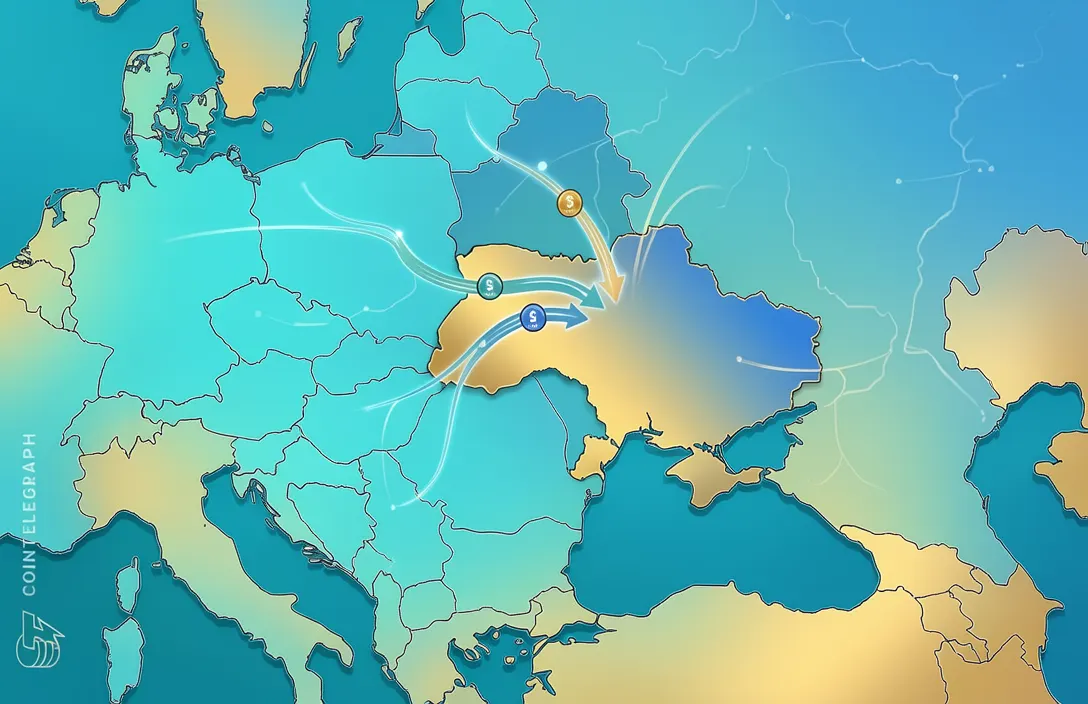
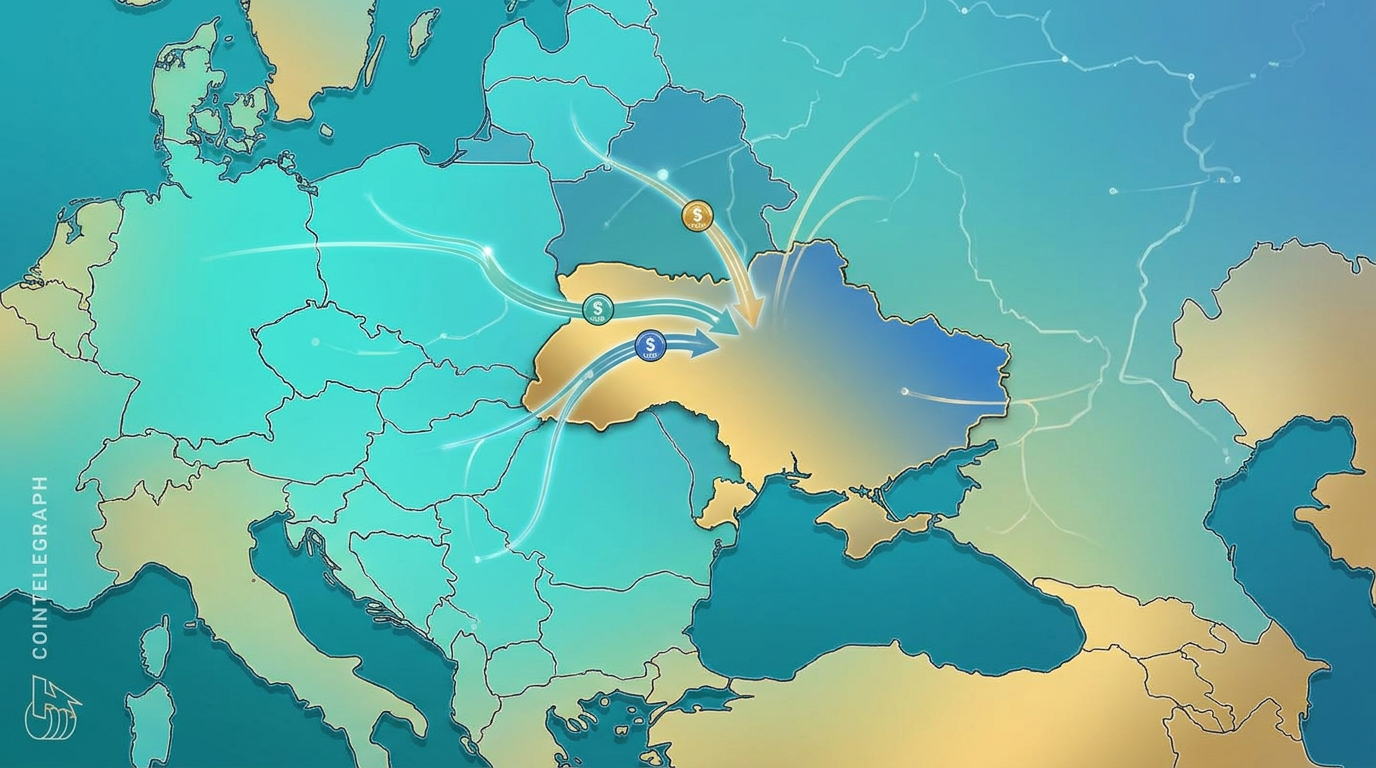
Ukraine remained a major destination for stablecoins, receiving $12 billion in cross-border wallet-to-wallet transfers. Of that, $2.41 billion was in retail-sized transfers below $10,000, according to Chainalysis (source ID: 1). Countries with larger Ukrainian populations, including prewar diaspora communities and refugees who arrived after Russia’s full-scale invasion in February 2022, generally sent more stablecoins to Ukraine. [1]
Eastern Europe experienced a notable decline in cryptocurrency activity, with a 7.9% reduction in the year ended June 2026, according to Chainalysis. This decline was most pronounced in Russia, where activity fell 14.7% to $284.1 billion, representing 44% of the region's total. In contrast, Belarus saw a 27.6% increase in activity, while Bulgaria, Moldova, and Ukraine reported smaller gains. The overall value of the Eastern European crypto economy dropped to $642.1 billion from $697.1 billion a year earlier. [1]
Advertisement
The value of large transfers—those of $10,000 or more—decreased by 17.4%, from $591.5 billion to $488.6 billion. However, smaller transfers, which are categorized as retail-sized, increased by 8.3% and accounted for 13.1% of the value sent to crypto services in the region, the highest share among all regions studied. This figure exceeds the global average of 10.1% for similar transfers. [1]
Crypto ATM activity in Eastern Europe saw a nearly doubling of transaction volumes, rising from $17.3 million to $33.9 million. Poland, in particular, experienced a 120% increase in ATM transactions, despite a 5% decline in centralized exchange activity. Stablecoins accounted for approximately 90% of Poland's ATM transactions, highlighting their growing role in the region's crypto landscape. [1]
Despite the overall regional decline, Ukraine remained a key recipient of stablecoins, receiving $12 billion in cross-border wallet-to-wallet transfers between July 2025 and June 2026. Of this amount, $2.41 billion was in retail-sized transfers below $10,000. Chainalysis noted that countries with larger Ukrainian diaspora populations, including those affected by the Russian invasion in February 2022, tended to send more stablecoins to Ukraine. Canada was identified as the largest source of retail-sized, remittance-like transfers, with $359 million sent to Ukraine during the same period. [1]
Chainalysis measures the size of the crypto economy by tracking inflows to crypto services, domestic transfers between personal wallets, and cross-border inflows to personal wallets. These figures are presented in USD, meaning fluctuations in cryptocurrency prices can influence the totals. The firm did not provide a breakdown of stablecoin transfers by individual token, though it noted that the cross-border flows were largely denominated in US dollar-pegged stablecoins. [1]
Advertisement
Eastern Europe recorded the steepest decline in cryptocurrency activity among the regions tracked by Chainalysis in the year ended June 2026, falling 7.9% even as retail-sized transfers increased in value, according to a report published Tuesday (source ID: 1). The region’s crypto economy shrank to $642.1 billion from $697.1 billion a year earlier, compared with a 1.6% decline globally, the report states. Russia, which accounted for roughly 44% of the regional total, saw activity fall 14.7% to $284.1 billion over the period. [1]
By contrast, Belarus recorded 27.6% growth, while Bulgaria, Moldova and Ukraine saw smaller increases. The value of transfers of $10,000 or more to crypto services fell 17.4%, from $591.5 billion to $488.6 billion, according to the report. The value of smaller transfers to crypto services, meanwhile, rose 8.3%. These retail-sized transfers accounted for 13.1% of the value sent to crypto services in Eastern Europe, the highest share of any region studied and above the global average of 10.1%. [1]
Despite the broader regional decline, Ukraine remained a major destination for stablecoins, receiving $12 billion in cross-border wallet-to-wallet transfers. Of that, $2.41 billion was in retail-sized transfers below $10,000, according to Chainalysis. Countries with larger Ukrainian populations, including prewar diaspora communities and refugees who arrived after Russia’s full-scale invasion in February 2022, generally sent more stablecoins to Ukraine. [1]
Sources
Prepared with AI assistance from the cited sources.
The Cali Reporter newsletter
The stories worth your time.
California, the country, and what comes next. Join our free newsletter for reporting that keeps you informed.
More in Business
- Kirkland Signature Meals: A Family's Take on Taste and Value
A family's review of Kirkland Signature meals highlights a mix of flavors, textures, and value at Costco, with some dishes standing out while others fall short of expectations.
- Ex-OpenAI Engineer Donates Equity to AI Safety
Jacob Coxon, a former engineer at OpenAI and Anthropic, has pledged to donate his equity in OpenAI to AI safety research, citing concerns over the risks of uncontrolled AI development.
- Scottish Hacker Sentenced for Crypto Theft Scheme
A Scottish hacker has been sentenced to six years in U.S. federal prison for orchestrating a large-scale cryptocurrency theft operation, according to a report from the U.S. Attorney’s Office for the Central District of…