E. coli Outbreak Linked to Preschool and Earlier Farm Visits
A sixth individual in San Luis Obispo County has been diagnosed with a Shiga toxin-producing E. coli infection, believed to be linked to the earlier outbreak at Brookshire Farms, according to local health officials.

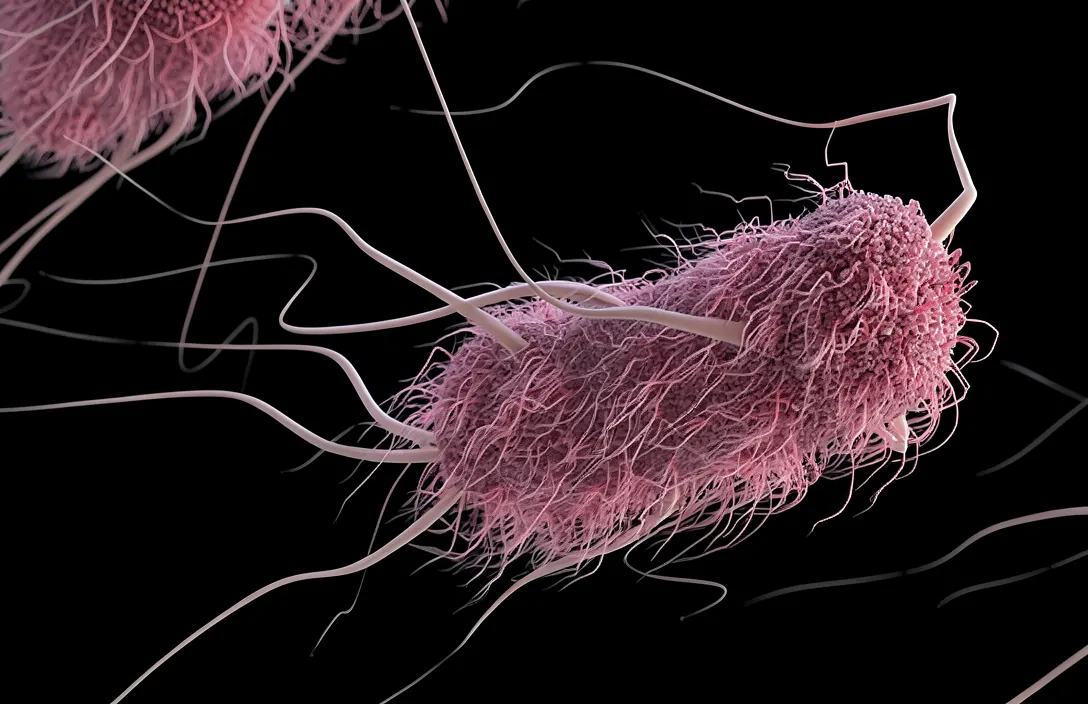

A sixth person in the Central Coast has been diagnosed with a complication from E. coli, a serious and, in some cases, fatal disease. This latest infected individual is believed to be linked to the larger bacterial outbreak that occurred in the area last month, which killed a toddler. San Luis Obispo County Public Health officials confirmed that the sixth person was infected with Shiga toxin-producing E. coli, also referred to as STEC, and was identified at a preschool in the city of San Luis Obispo (Source ID: 1). [1]
Since the transmission is thought to have occurred at the school, families were notified, thorough cleaning protocols were initiated, and the affected classrooms were closed at the start of the week, said Dr. Christy Mulkerin, health officer for the SLO County Public Health Department. Officials have not released identifying information about the infected individual or the school involved. This latest case is believed to be linked to last month’s outbreak that left more than a dozen people who visited locally owned and operated Brookshire Farms with infection symptoms, including three children who received treatment for pediatric intensive care and another child who died (Source ID: 1). [1]
This person did not visit Brookshire Farms, officials say. Instead, the individual was exposed to the bacterial infection through secondary, person-to-person transmission from one of the five people who were previously identified with laboratory-confirmed infections. There are two ways people can become infected with Shiga toxin-producing E. coli: Eating or drinking something that has been contaminated with animal or human feces (Source ID: 1). [1]
A sixth person in the Central Coast has been diagnosed with a complication from E. coli, a serious and, in some cases, fatal disease. This latest infected individual is believed to be linked to the larger bacterial outbreak that occurred in the area last month, which killed a toddler. San Luis Obispo County Public Health officials confirmed that the sixth person was infected with Shiga toxin-producing E. coli, also referred to as STEC, and was identified at a preschool in the city of San Luis Obispo. Since the transmission is thought to have occurred at the school, families were notified, thorough cleaning protocols were initiated, and the affected classrooms were closed at the start of the week, said Dr. Christy Mulkerin, health officer for the SLO County Public Health Department (1). [1]
Advertisement
Officials have not released identifying information about the infected individual or the school involved. This latest case is believed to be linked to last month’s outbreak that left more than a dozen people who visited locally owned and operated Brookshire Farms with infection symptoms, including three children who received treatment for pediatric intensive care and another child who died. This person did not visit Brookshire Farms, officials say. Instead, the individual was exposed to the bacterial infection through secondary, person-to-person transmission from one of the five people who were previously identified with laboratory-confirmed infections (1). [1]
There are two ways people can become infected with Shiga toxin-producing E. coli: Eating or drinking something that has been contaminated with animal or human feces. Accidentally swallowing a tiny amount of feces after having contact with infected animals, animal areas, untreated water or other people who have the bacterial infection. This particular type of E. coli creates a toxin in the body, making an infected person ill (1). [1]
A sixth person in the Central Coast has been diagnosed with a complication from E. coli, a serious and, in some cases, fatal disease. This latest infected individual is believed to be linked to the larger bacterial outbreak that occurred in the area last month, which killed a toddler. San Luis Obispo County Public Health officials confirmed that the sixth person was infected with Shiga toxin-producing E. coli, also referred to as STEC, and was identified at a preschool in the city of San Luis Obispo (1). [1]
Since the transmission is thought to have occurred at the school, families were notified, thorough cleaning protocols were initiated, and the affected classrooms were closed at the start of the week, said Dr. Christy Mulkerin, health officer for the SLO County Public Health Department. This person did not visit Brookshire Farms, officials say. Instead, the individual was exposed to the bacterial infection through secondary, person-to-person transmission from one of the five people who were previously identified with laboratory-confirmed infections (1). [1]
Advertisement
There are two ways people can become infected with Shiga toxin-producing E. coli: Eating or drinking something that has been contaminated with animal or human feces. Accidentally swallowing a tiny amount of feces after having contact with infected animals, animal areas, untreated water or other people who have the bacterial infection. This particular type of E. coli creates a toxin in the body, making an infected person ill (1). [1]
A sixth person in the Central Coast has been diagnosed with a complication from E. coli, a serious and, in some cases, fatal disease. This latest infected individual is believed to be linked to the larger bacterial outbreak that occurred in the area last month, which killed a toddler. San Luis Obispo County Public Health officials confirmed that the sixth person was infected with Shiga toxin-producing E. coli, also referred to as STEC, and was identified at a preschool in the city of San Luis Obispo (source ID: 1). [1]
Since the transmission is thought to have occurred at the school, families were notified, thorough cleaning protocols were initiated, and the affected classrooms were closed at the start of the week, said Dr. Christy Mulkerin, health officer for the SLO County Public Health Department. This person did not visit Brookshire Farms, officials say. Instead, the individual was exposed to the bacterial infection through secondary, person-to-person transmission from one of the five people who were previously identified with laboratory-confirmed infections (source ID: 1). [1]
There are two ways people can become infected with Shiga toxin-producing E. coli: Eating or drinking something that has been contaminated with animal or human feces. Accidentally swallowing a tiny amount of feces after having contact with infected animals, animal areas, untreated water or other people who have the bacterial infection. This particular type of E. coli creates a toxin in the body, making an infected person ill (source ID: 1). [1]
Advertisement
The Cali Reporter newsletter
The stories worth your time.
California, the country, and what comes next. Join our free newsletter for reporting that keeps you informed.
More in Los Angeles
- Afghan Journalist's Asylum Case Sparks Press Freedom Concerns
An Afghan journalist detained in California faces deportation to Afghanistan, where he could face persecution by the Taliban, according to advocacy groups and legal representatives.
- Oakland Incident Sparks Outrage Over ICE Actions
A video showing federal immigration agents using force against civilians in Oakland has raised concerns about immigration enforcement tactics.
- Los Angeles Zoo Celebrates 60th Anniversary with Discounted Admission
The Los Angeles Zoo is commemorating its 60th anniversary with discounted admission during the Thanksgiving holiday weekend, offering a promotional rate for visitors.