

$571 Million Hike vs 12,189 Policies: Why California Homeowners Are Still Waiting for Relief
State celebrates return of insurers but new data shows a slow start and high costs

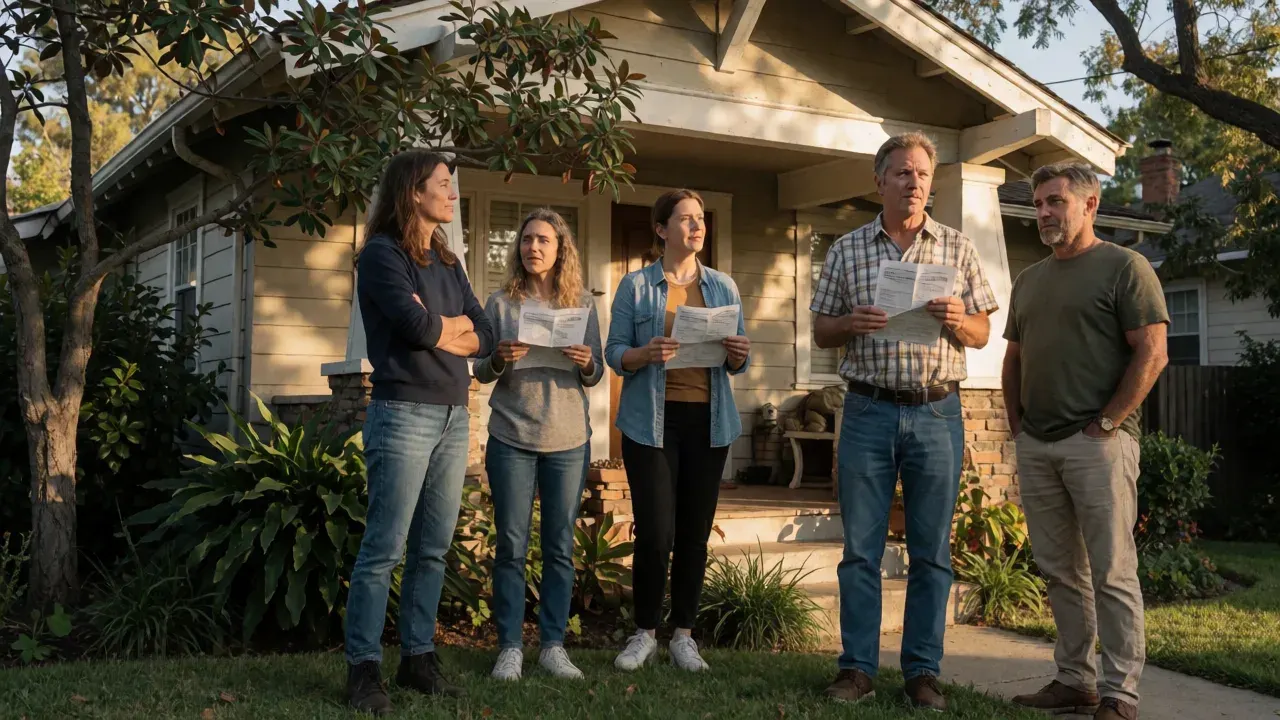
The smoke has cleared from the forests but the anxiety over homeowners insurance remains high in the Central Valley and across the state. After years of carriers pulling back and raising costs due to the growing threat of wildfires, the Department of Insurance under former Commissioner Ricardo Lara has touted a new strategy to get insurance back on the shelves. Officials at the state level say the new regulations are working because more companies are announcing they will sell policies again. However, a closer look at the numbers reveals a more complicated picture for the typical homeowner.
Consumer Watchdog, a group that often finds itself at odds with the Department of Insurance, released a detailed analysis of the situation. They examined the rate filing requests and approvals under a framework known as the Sustainable Insurance Strategy. Their findings suggest that while the state is celebrating the return of big carriers, the actual volume of new policies being written is quite small compared to the financial demands being placed on consumers. The group estimates that there have been only 12,189 new policy commitments since the strategy went into effect in January of 2025.
This number is hard to ignore when you look at the financial side of things. According to the analysis, insurance companies have sought or obtained rate increases totaling 571 million dollars under these new rules. Ben Armstrong, an actuary with Consumer Watchdog, spent time digging through the voluminous public reports to put these numbers in perspective. He explained that the strategy allows companies to use prospective catastrophe models to assess risk and factor in reinsurance costs when setting prices. This is a significant shift from how rates were calculated in the past.

Armstrong noted that the analysis is not an exact science because the reports often talk about future commitments rather than actual sales. The strategy requires companies to choose one of three paths. They can subscribe to 85 percent of their market share in high-risk zones, increase policies by 5 percent in those zones, or increase policies by 5 percent excluding customers of the FAIR Plan. Of the ten companies that have sought or received rate increases, only five have committed to selling more policies. This selective return is causing concern among consumer advocates.
Carmen Balber, the executive director of Consumer Watchdog, pointed out that while the state encourages these changes, the reality for Californians paying higher premiums is that the availability is limited. She noted that the number of new commitments is tiny in comparison to the size of the state safety net known as the Plan FAIR. The Plan FAIR is a state-run insurance program for those who cannot find coverage in the private market. Its numbers have been growing for a decade due to the destructive fires that have plagued the state. As of June, the Plan FAIR had approximately 697,000 active policies. That is a 157 percent increase since September 2022. As this state backstop grows, the pressure on the main insurance market increases because every policy not written by a private carrier ends up on the FAIR Plan.
The Department of Insurance disputes the Consumer Watchdog estimate. A spokesperson for the department, Michael Soller, stated that the state intends to publish its own analysis once it reviews the overall market and the annual data it collects. He dismissed the group's figures as incomplete and premature. Soller highlighted the example of Mercury Insurance, which has committed to converting roughly 6.5 percent of its residential policies from the FAIR Plan to standard homeowner policies over eight years. The company has also approved an 85 million dollar rate increase. However, the specific data submitted by Mercury shows a commitment to only 2,107 new policies in disadvantaged areas.
The company with the largest rate increase, Farmers Insurance, committed to 5,596 new policies. This company secured an increase of over 150 million dollars. David Russell, a professor of insurance and finance at Cal State Northridge, agreed with the department's cautious outlook. He noted that insurers are returning to the market with caution and selectivity. They are focusing on properties they believe are safe, leaving high-risk homes behind. He pointed to a photo from Magalia in Butte County as a visual reminder of the risk involved.
Former Insurance Commissioner Dave Jones offered additional historical context. He suggested that Commissioner Lara could have pushed for more forceful requirements to subscribe to additional high-risk policies, especially considering the starting point was low after a period of non-renewals and lack of new sales. Jones also mentioned the rise of excess lines carriers. These are insurance companies not authorized or regulated by the state that do not have the state’s backing in case of bankruptcy. Their growth indicates that the primary market is still failing to provide reliable coverage for some.
The debate over these numbers comes down to the financial impact on the average homeowner. The cost of homeowners insurance in California has risen by 5 percent in the first half of the year. This is one of the largest increases in the country. More than 8 million homeowners in the state have policies. The disconnect between the state’s celebration of the strategy and the reality of the premiums suggests that while the market is slowly healing, the pain is not over for everyone. The state has approved an increase of 85 million dollars for the insurers.
As the state moves forward, the question remains whether the upcoming election will see a new approach to these issues. The Sustainable Insurance Strategy was described by the outgoing commissioner as a solution that takes years to recover. With Californians heading to the polls to choose a new commissioner in November, the focus will be on whether the strategy can deliver the promised availability without crushing the cost. The return of insurance to certain high-risk zip codes is happening, but for many, the promise of coverage remains elusive.
First reported by CalMatters.
More in California
- UC Berkeley Lab Proposes New Civic Framework for California’s Next Governor
A research-driven agenda calls for institutionalizing 'co-governance' to address low public trust and lack of resident influence in state decision-making.
- Five Tax Measures on California’s Ballot Aim to Reshape State Finances
Propositions 3, 40–43 would alter income, wealth and local taxation rules—marking the highest number of tax measures on a general election ballot since 1994.
- Catalina Helicopter Crash Highlights Risks of Island Medevac Flights
A medical evacuation chopper carrying Catalina Romero, pilot, and nurse Jessica Devries crashed into the ocean shortly after takeoff, killing all three; federal investigators are assessing causes including night flying, spatial disorientation, and the island’s challenging Pebbly Beach heliport.