Denmark Transforms Pig Manure into Renewable Energy
Denmark is leveraging livestock waste to power its energy grid, as the nation scales up biogas production from pig and cattle manure to reduce carbon emissions and enhance energy independence.


Denmark is harnessing livestock manure as a key component of its energy transition, with pigs playing a central role in the nation's renewable energy strategy. The country's pig industry, which accounts for a quarter of its food exports, produces over 17 million tonnes of manure annually, mostly in the form of liquid slurry, emitting significant greenhouse gases like methane and nitrous oxide (Al Jazeera (All), 2026). To address this challenge, Denmark has expanded its biogas infrastructure, converting livestock waste into renewable natural gas to power homes, transport, and the national grid. In just over a decade, the number of industrial-sized biogas plants has grown from a handful to around 150, with 70 percent of the raw materials coming from pig and cattle manure (Al Jazeera (All), 2026). [1]
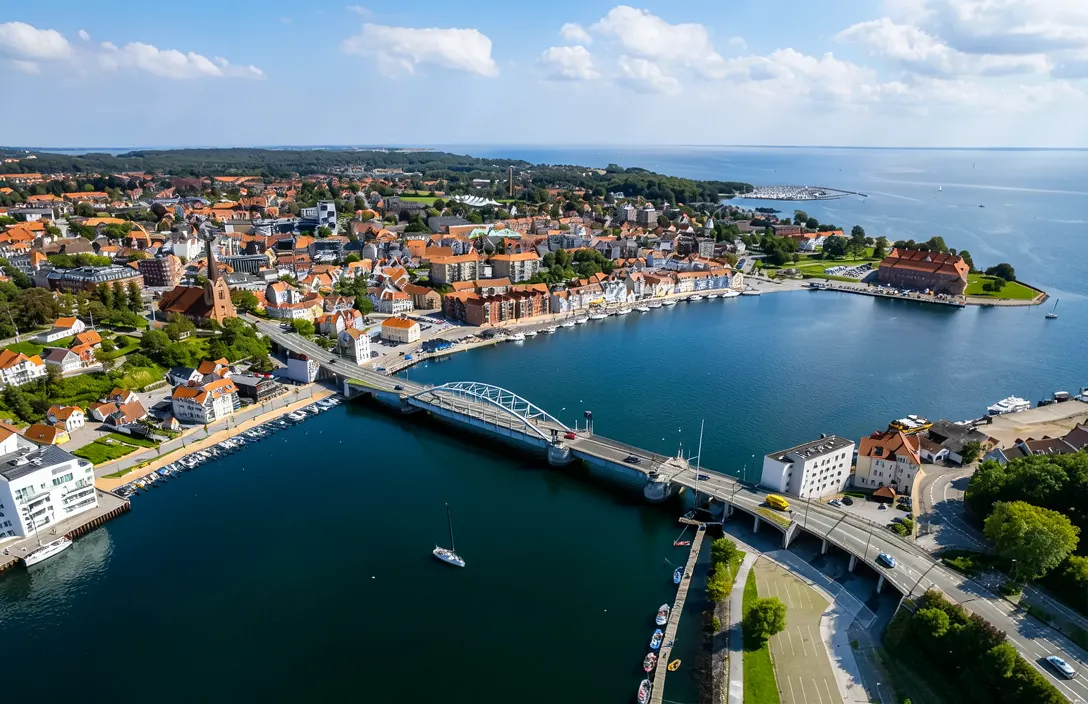
Denmark now has Europe’s highest share of biogas in its gas grid, at approximately 40 percent, with the coastal town of Sonderborg serving as a model for sustainable energy integration. The town’s ProjectZero initiative, launched in 2007, aims to achieve a carbon-neutral energy system by 2029. The initiative has already reduced energy-related carbon emissions by 79 percent through the combined use of renewables, industrial waste heat, and biogas (Al Jazeera (All), 2026). Facilities like Glansager and Kvaers in Sonderborg process about 850,000 tonnes of organic material annually, primarily livestock slurry, to produce enough biogas to meet the region’s annual gas demand (Al Jazeera (All), 2026). [1]
Despite these advancements, concerns remain about Denmark’s reliance on livestock waste for biogas production. Critics argue that this dependence perpetuates high livestock numbers and fails to address the broader ecological impact of factory farming. A report by NOAH Friends of the Earth Denmark and Foodrise suggests that the current biogas strategy may lock in pollution and hinder efforts to phase out the livestock sector (Al Jazeera (All), 2026). However, industry groups like Biogas Denmark defend the strategy, emphasizing its role in addressing immediate climate and energy security challenges while mitigating unavoidable agricultural emissions (Al Jazeera (All), 2026). [1]
Denmark is harnessing livestock manure as a key component of its energy transition, with pigs playing a central role in the nation's renewable energy strategy. The country now has Europe’s highest share of biogas in its gas grid, at approximately 40 percent, with the coastal town of Sonderborg serving as a model for sustainable energy integration. Despite these advancements, concerns remain about Denmark’s reliance on livestock waste for biogas production (Source ID: 1). [1]
Advertisement
According to the Danish Agriculture and Food Council, Denmark’s pig sector annually produces more than 17 million tonnes of manure, mostly liquid slurry, emitting considerable amounts of greenhouse gas in the form of methane and nitrous oxide. However, Denmark has been engineering a biogas boom, developing facilities to convert livestock waste into renewable natural gas to power the national grid and transport, fuel homes and make fertiliser (Source ID: 1). [1]
In just more than a decade, the country has upscaled a handful of small biogas operations into about 150 industrial-sized plants, with up to 70 percent of the processed raw materials coming from pig and cattle manure. Today, Denmark has Europe’s highest share of biogas in its gas grid, at about 40 percent. And this has timely benefits, given the volatile oil and gas markets caused by the conflicts in Ukraine and Iran (Source ID: 1). [1]
However, there are concerns about the reliance on livestock to provide the bulk of the organic input for the biogas plants. A report by NOAH Friends of the Earth Denmark and Foodrise argues that the dependence on pig and cow manure is creating a factory farm trap that maintains high livestock numbers (Source ID: 1). [1]
Denmark has made significant strides in utilizing livestock manure for biogas production, which now constitutes about 40 percent of the country's gas grid, the highest share in Europe. This shift is driven by the nation's substantial pig population, with up to 12 million breeding pigs at any one time, producing over 17 million tonnes of manure annually, primarily in the form of liquid slurry (source ID 1). This waste has long posed environmental challenges, emitting significant amounts of greenhouse gases such as methane and nitrous oxide. However, Denmark has transformed this waste into a renewable energy resource through the expansion of biogas operations, scaling up from a handful of small facilities to about 150 industrial-sized plants within a decade (source ID 1). [1]
Advertisement
The coastal town of Sonderborg has become a model for integrating biogas into the energy system through initiatives like ProjectZero, which aims to achieve a carbon-neutral energy system by 2029. The large-scale biogas facilities in Sonderborg, such as Glansager and Kvaers, process approximately 850,000 tonnes of organic material annually, primarily livestock slurry, and generate enough biogas to meet the region's annual gas demand (source ID 1). This has helped reduce energy-related carbon emissions by 79 percent, demonstrating the potential of biogas in contributing to climate solutions and energy independence (source ID 1). [1]
Despite these successes, there are concerns that Denmark's reliance on livestock waste for biogas production may lock in high livestock numbers and fail to address broader environmental issues. A report by NOAH Friends of the Earth Denmark and Foodrise argues that this strategy risks perpetuating factory farming and environmental pollution, rather than moving toward the necessary reduction of livestock numbers (source ID 1). Critics suggest that resources spent on expanding biogas could be better allocated to emission-free energy solutions such as wind turbines and solar panels (source ID 1). [1]
Sources
Prepared with AI assistance from the cited sources.
The Cali Reporter newsletter
The stories worth your time.
California, the country, and what comes next. Join our free newsletter for reporting that keeps you informed.
More in World
- Irish Man Charged with Destroying U.S. Military Aircraft at Shannon Airport
A man from Ireland has been indicted for allegedly destroying a U.S. military aircraft at Shannon Airport, according to prosecutors in New York.
- Trump's APEC Summit and Strategic Meetings
President Donald Trump is set to attend the APEC summit in Shenzhen, China, where he is expected to meet with Chinese President Xi Jinping and participate in a trilateral meeting with Russian President Vladimir Putin,…
- Early Snowfall in Northern England and Scotland
Snowfall occurred in parts of Northern England and southern Scotland, with subsequent melting due to milder temperatures, according to the BBC.