Democratic Attorneys General May Reshape Legal Landscape
The election of Democratic attorneys general in five formerly Republican-led states may significantly alter the legal landscape in the United States, affecting the types of legal challenges brought and the policies…


The nation's legal landscape is set for a major shift after voters elected Democrats to serve as attorney general in five formerly Republican-led states. That means a majority of states will soon have a Democrat serving as the top law enforcement officer. Democratic candidates flipped attorneys general offices in Georgia, Iowa, Kansas, Ohio and Texas–and in Alaska, the incoming Democratic governor announced his pick for attorney general in a state previously run by Republicans. [1]
The Democratic victories could have major effects for what alleged crimes are investigated, lawsuits filed and court cases heard across the U.S. State attorneys general typically have sweeping discretion in what legal challenges to bring or drop on behalf of their state’s residents. And with roughly seven in ten Americans set to live in a state with a Democratic attorney general, Democrats will be able to bring many more cases across the country that argue for their positions on the economy, environment, abortion, civil rights, and crime, rather than the Republican perspective. [1]
Republican attorneys general candidates' defeats left the conservative legal movement reeling – and planning a comeback. Adam Piper, executive director of the Republican Attorneys General Association, said that the midterm election was the worst for Republicans since 1974. He noted that Republican attorneys general candidates ran ahead of GOP candidates for governor and U.S. Senate in some states. [1]
Following the midterm results, Republican attorneys general convened for their fall meeting in Dallas, Texas, where the outgoing attorney general, Ken Paxton, lost his bid for Senate. He will soon be replaced by a Democrat, Nathan Johnson. Piper said attendees grimly reflected on their challenges while also strategizing how to position Republican attorneys general to support the GOP as 2028 approaches. [1]
Advertisement
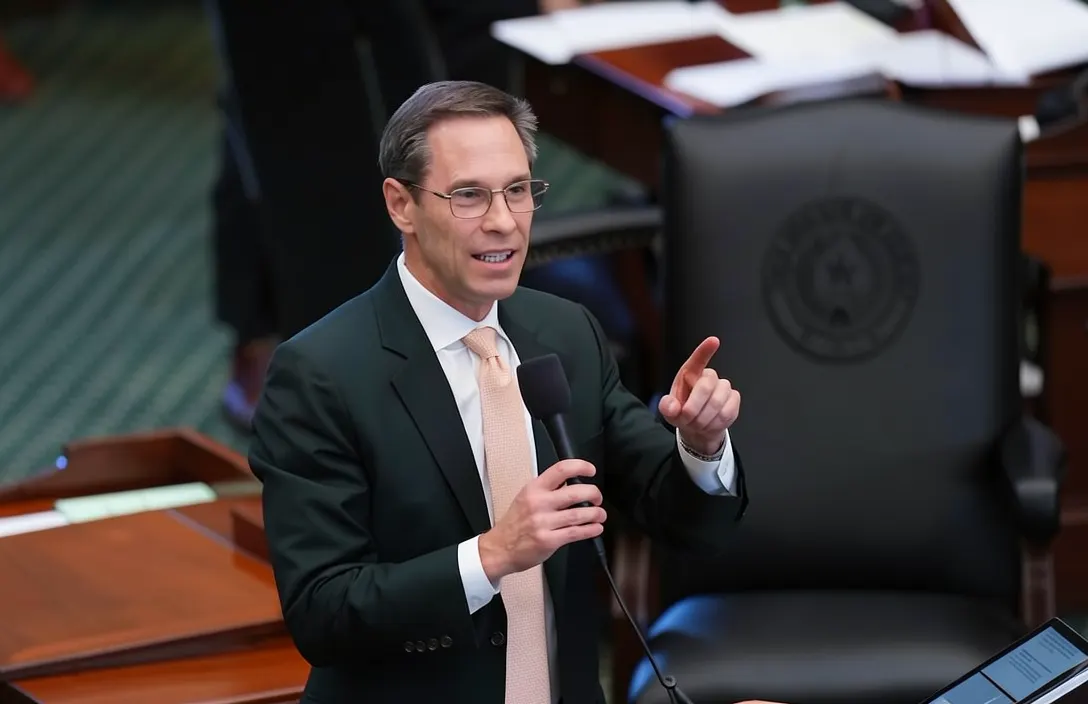
The shift in attorney general offices occurred in five formerly Republican-led states: Georgia, Iowa, Kansas, Ohio, and Texas, as well as Alaska, where the incoming Democratic governor selected a new attorney general. These changes mark the first time in decades that a majority of states will have a Democratic attorney general, altering the legal landscape significantly. Nathan Johnson, the newly elected Democratic Attorney General of Texas, previously served in the state Senate in Austin, where he was seen speaking on Sept. 3, 2025, according to a photo by Eric Gay. Johnson’s election is particularly significant as Texas had long been a stronghold of conservative legal influence, with past attorneys general shaping national legal strategies and training future Republican leaders in law and politics. [1]
Historically, the Texas Attorney General’s office has been a major intellectual force for the Republican legal movement, producing influential legal figures such as U.S. Sen. John Cornyn, Texas Gov. Greg Abbott, and Sen. Ted Cruz, who all previously held positions in the office. The office also played a critical role in shaping national legal policy, often bringing cases that aligned with conservative legal causes and impacting legal precedents across the country. However, with Johnson’s election, the office is expected to shift its legal priorities, potentially opposing the Trump administration and focusing on issues like antitrust regulation and corporate accountability. This change may reduce the Republican legal movement’s influence in shaping national legal policy. [1]
The Republican Attorneys General Association (RAGA) held its fall meeting in Dallas, Texas, following the midterm election losses. This meeting took place in the same city where the outgoing Republican Attorney General, Ken Paxton, lost his Senate bid and was replaced by Johnson. The meeting was marked by a sense of urgency as RAGA strategized for a potential resurgence in the 2028 elections. Attendees discussed the need for stronger candidates, improved messaging, and greater coordination with other Republican groups in Washington. RAGA also expressed concerns about potential “lawfare” tactics by Democrats, including efforts to influence the Supreme Court or expand the Union through new state admissions. [1]
The Democratic Attorneys General Association (DAGA) held its own conference in Chicago, where incoming Democratic attorneys general gathered to celebrate their victories and prepare for their new roles. Illinois Attorney General Kwame Raoul emphasized the importance of maintaining a strong legal defense of democratic institutions during a Nov. 19 press briefing. Meanwhile, Johnson, the incoming Texas attorney general, suggested that the Democratic gains in Texas could lead to bipartisan cooperation on anti-corruption efforts. However, he also indicated a willingness to challenge Trump’s plans for a border wall in Big Bend National Park, signaling a shift in the office’s traditional alignment with conservative legal causes. [1]
Advertisement
The incoming Democratic attorneys general have signaled a focus on issues such as corporate accountability, antitrust enforcement, and consumer protection. Many campaigned on bringing lawsuits against companies accused of price gouging or digital surveillance, and they may also push for stricter regulations on social media platforms. However, they will face pressure from local business communities, including major corporations, which may influence their legal strategies. Some legal experts suggest that these new attorneys general may find opportunities for bipartisan collaboration, particularly on economic issues, drawing from past successes such as settlements against tobacco and opioid companies. This balance between progressive legal action and maintaining political support will be a key challenge for the new Democratic leadership. [1]
Sources
Prepared with AI assistance from the cited sources.
The Cali Reporter newsletter
The stories worth your time.
California, the country, and what comes next. Join our free newsletter for reporting that keeps you informed.
More in West Coast
- Construction Disrupts Retailers on Small Business Saturday
Small businesses in Portland's Pearl District faced unexpected challenges due to prolonged construction projects, impacting their ability to attract holiday shoppers.
- Oregon's Covered Bridges Face Funding and Preservation Challenges
A report from the Oregon Heritage Commission highlights the urgent need for funding and support for the state's historic covered bridges, many of which are deteriorating due to lack of resources.
- Trail Blazers Advance to NBA Cup Quarterfinals
The Portland Trail Blazers defeated the Golden State Warriors in a decisive game on Nov. 27, 2026, advancing to the NBA Cup quarterfinals.