Czechia Protests Over Public Media Reform Plan
Thousands of Czech citizens gathered in Prague to protest a proposed reform that would eliminate broadcasting fees and shift public media funding to the state budget, sparking international concern.

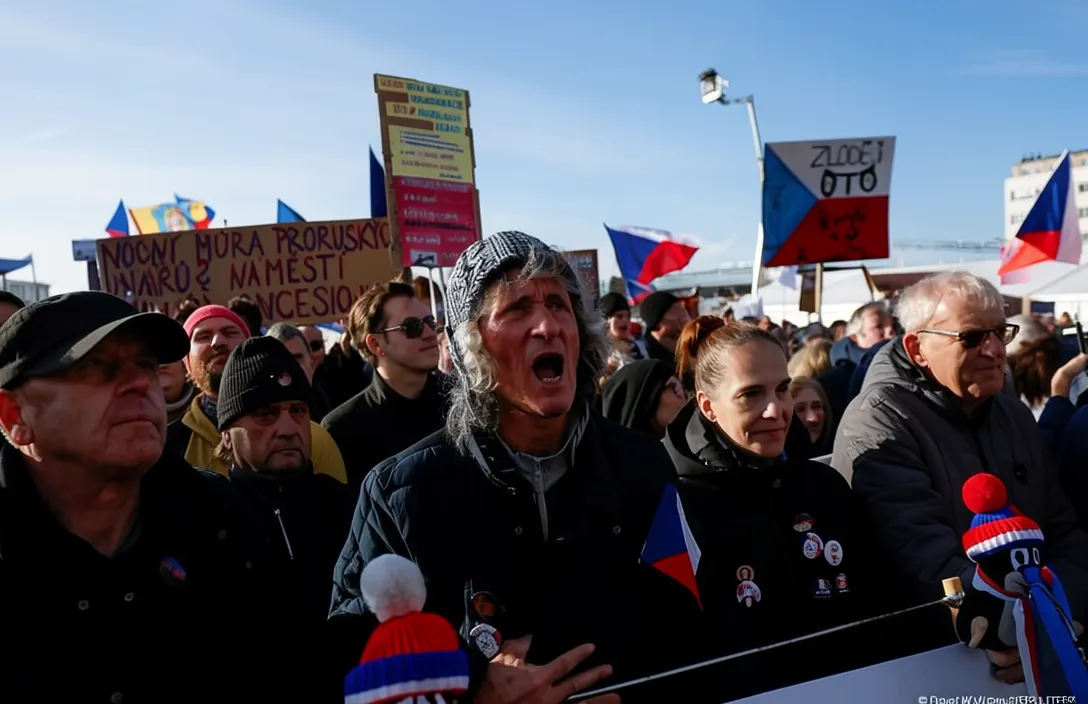
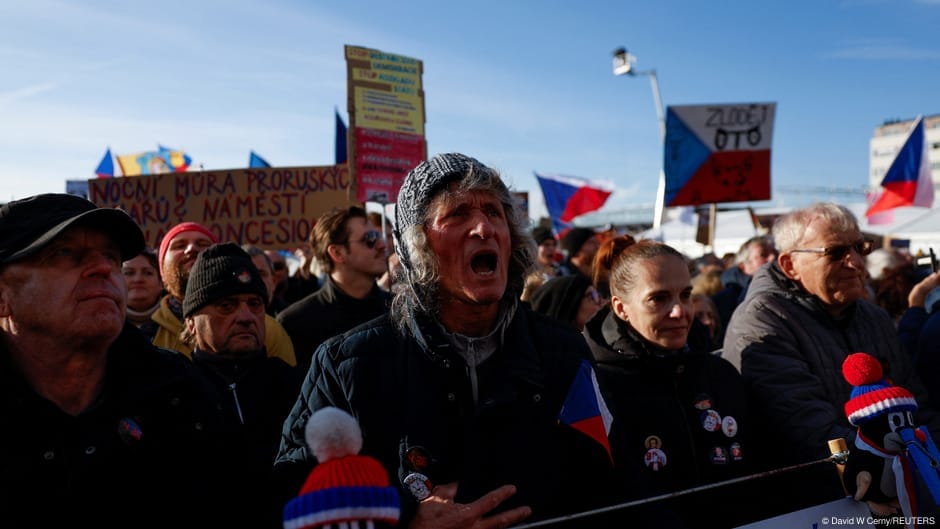
A protest against plans to abolish broadcasting fees in Czechia drew between 350,000 and 450,000 people in Prague, according to organizers (1). The large turnout caused overcrowding in public transport, with many protesters traveling from other cities by bus and train. The reform, which would shift public media funding from fees to the state budget, has been criticized by protesters who claim it would bring public broadcasters under the control of the right-wing government led by Prime Minister Andrej Babis (1). [1]
The Czech government argues that the reform would not affect editorial independence but would allow public broadcasters to cut costs (1). Critics, however, accuse the government of attempting to gain more influence over media operations. The proposed reform would reduce public media's budget by 15 percent (1). Prime Minister Babis denied these claims, stating that the government has no intention of controlling or nationalizing public media (1). [1]
International organizations, including the European Broadcasting Union and Reporters Without Borders, have criticized the reform (1). The current coalition government in Czechia consists of Babis's ANO party, the far-right SPD, and the Eurosceptic Motorists (1). Despite the protests, polls indicate that Babis's ANO party still holds around 30% public support (1). [1]
A protest against plans to abolish broadcasting fees in Czechia drew between 350,000 and 450,000 people in Prague, according to organizers (1). The demonstration caused overcrowded public transport, with many attendees traveling from other cities by bus and train. Protesters argue that the proposed reform could bring public broadcasters under the control of the right-wing government led by Prime Minister Andrej Babis (1). [1]
Advertisement
The Czech government argues that the reform would not affect editorial independence but would allow public broadcasters to cut costs (1). Prime Minister Babis defended the plan, stating that his government is not interested in controlling or nationalizing public media (1). The reform would reduce public media's budget by 15 percent, according to the plan (1). [1]
International organizations, including the European Broadcasting Union and Reporters Without Borders, have criticized the reform (1). The current coalition in Czechia is composed of Babis's ANO party, the far-right SPD, and the Eurosceptic Motorists (1). Despite the protests, polls indicate that ANO still holds around 30% public support (1). [1]
A protest against plans to abolish broadcasting fees in Czechia drew between 350,000 and 450,000 people in Prague, according to organizers (1). The protest caused overcrowded public transport, with many participants traveling from other cities by bus and train. Protesters argue that the reform could bring public broadcasters under the control of the right-wing government led by Prime Minister Andrej Babis (1). [1]
The Czech government claims that the reform would not affect editorial independence but would allow public broadcasters to cut costs (1). However, critics, including international organizations such as the European Broadcasting Union and Reporters Without Borders, have raised concerns about the government's intentions (1). [1]
Advertisement
The proposed reform would reduce the budget of public media by 15 percent, and the government has denied claims of attempting to take over public broadcasting (1). Prime Minister Andrej Babis defended the plan, stating that his government has no interest in controlling or nationalizing public media (1). [1]
A protest against plans to abolish broadcasting fees in Czechia drew between 350,000 and 450,000 people in Prague, according to organizers (1). The protest caused overcrowding in public transport, with many participants traveling from other cities by bus and train (1). Protesters expressed concerns that the reform could lead to increased government control over public broadcasters, particularly under the right-wing government led by Prime Minister Andrej Babis (1). [1]
The Czech government maintains that the reform would not compromise editorial independence but would allow public broadcasters to reduce costs (1). However, critics argue that the reform would result in a 15 percent reduction in public media's budget, potentially weakening the sector (1). International organizations such as the European Broadcasting Union and Reporters Without Borders have expressed concerns about the potential impact of the reform on media freedom (1). [1]
Prime Minister Andrej Babis has defended the reform, stating that the government has no intention of taking over or nationalizing public media (1). He also dismissed the protesters' claims, asserting that they are not accurate (1). Foreign Minister Petr Macinka criticized the organizers of the protest, accusing them of turning demonstrations into a business model (1). [1]
Advertisement
The Cali Reporter newsletter
The stories worth your time.
California, the country, and what comes next. Join our free newsletter for reporting that keeps you informed.
More in World
- Irish Man Charged with Destroying U.S. Military Aircraft at Shannon Airport
A man from Ireland has been indicted for allegedly destroying a U.S. military aircraft at Shannon Airport, according to prosecutors in New York.
- Trump's APEC Summit and Strategic Meetings
President Donald Trump is set to attend the APEC summit in Shenzhen, China, where he is expected to meet with Chinese President Xi Jinping and participate in a trilateral meeting with Russian President Vladimir Putin,…
- Early Snowfall in Northern England and Scotland
Snowfall occurred in parts of Northern England and southern Scotland, with subsequent melting due to milder temperatures, according to the BBC.