Cruise Industry Grows Despite Public Relations Challenges
The cruise industry continues to thrive despite a series of negative headlines and public relations crises, with record numbers of travelers choosing to embark on voyages at sea.

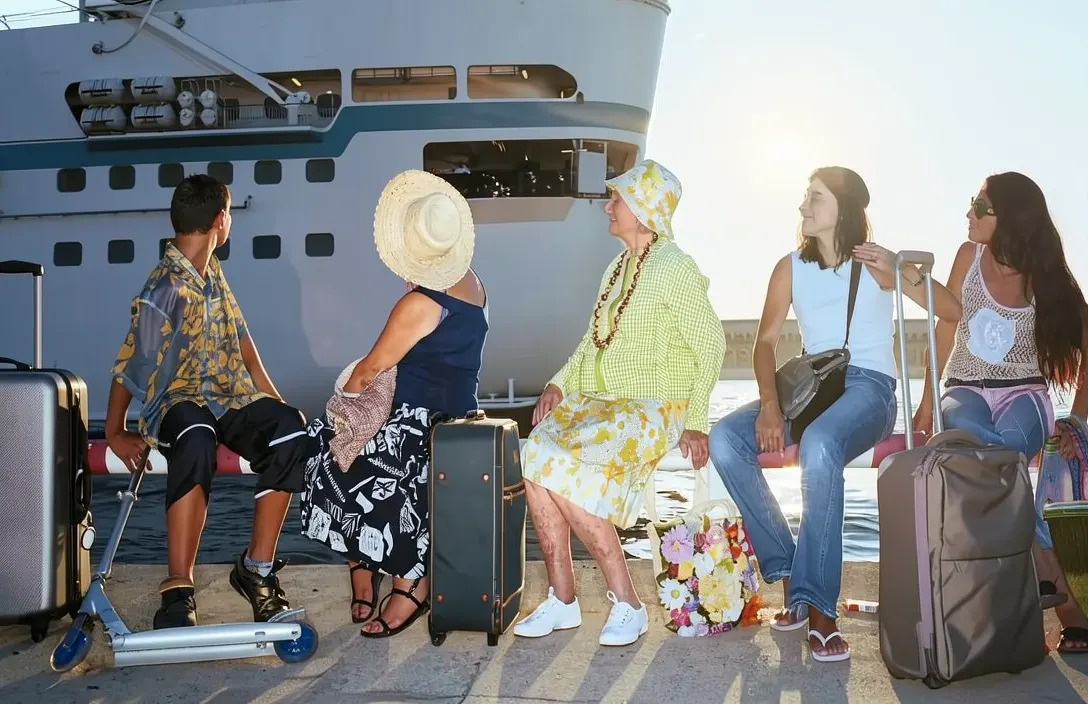
Despite a history of public relations challenges, the cruise industry has seen a continued surge in popularity, with record numbers of travelers choosing to embark on voyages at sea. According to a 2025 Cruise Lines International Association report, 31% of cruisers globally over the past two years were first-time travelers, up from 24% in 2019 (source ID 1). This growth is attributed in part to the increasing appeal of cruise ships among younger travelers, who are drawn to the innovative amenities offered by companies like Royal Caribbean and Norwegian, such as splashy waterparks and Cirque du Soleil-like productions (source ID 1). [1]
The cruise industry's resilience is also evident in the increasing number of Americans choosing to cruise. AAA estimates that a record 22.4 million Americans will cruise in 2027, a 3.6% increase from the year prior — and the fifth year in a row AAA has projected a record increase (source ID 1). This growth has been particularly notable among newcomers to cruising, with cruise giants like Royal Caribbean Group reporting that about 60% of its travelers are now either new to cruising or to the brand (source ID 1). [1]
Despite the negative headlines, many travelers remain unfazed by the risks associated with cruising. For example, Mark Jessup, a 47-year-old travel content creator, has been on 56 cruises since 2019 and cites the convenience and amenities as key factors in his continued interest in cruising (source ID 1). Similarly, Carly Caramanna, a 40-year-old travel writer, has returned to cruising after falling out of love with it in her 20s, citing the appeal of not having to change hotels frequently and the overall convenience of cruise travel (source ID 1). [1]
Despite a history of public relations challenges, the cruise industry has seen a continued surge in popularity, with record numbers of travelers choosing to embark on voyages at sea. According to a 2025 Cruise Lines International Association report, 31% of cruisers globally over the prior two years were first-timers — up from 24% in 2019 (source ID: 1). This trend highlights a growing appeal among newcomers who may have previously viewed cruising as an option only for older travelers. The industry's resilience is also evident in the increasing number of Americans choosing to cruise, with AAA estimating that a record 22.4 million Americans will cruise in 2027, a 3.6% increase from the year prior (source ID: 1). [1]
Advertisement
The cruise industry's ability to attract new customers is partly due to product innovation and the appeal of onboard amenities. As noted by Austin Maxwell, a 31-year-old cruise content creator, the introduction of attractions like splashy waterparks, Cirque du Soleil-like productions, and wine bars has made cruising more attractive to younger travelers (source ID: 1). These innovations have helped reshape perceptions and break the stereotype that cruising is only for older people. Additionally, the affordability of cruises, with a weeklong cruise starting at an average of $400 per person for mass-market companies like Royal Caribbean or Carnival, has made cruising an appealing alternative to more expensive land-based travel (source ID: 1). [1]
Despite the occasional negative headlines, such as the abrupt suspension of operations by Villa Vie's Odyssey and reports of norovirus outbreaks, many travelers remain unfazed by the risks associated with cruising. According to one travel writer, Carly Caramanna, the convenience of cruising — including all-inclusive food, lodging, and the ability to visit multiple destinations without repacking — has made it an attractive option for many travelers (source ID: 1). She noted that she now goes on six to seven cruises a year, emphasizing the appeal of a less exhausting travel style (source ID: 1). [1]
The cruise industry has maintained its popularity despite a history of public relations challenges, with record numbers of travelers choosing to embark on voyages at sea. According to Business Insider, many travelers remain unfazed by the risks associated with cruising, and the industry's resilience is evident in the increasing number of Americans choosing to cruise. This continued popularity is partly due to product innovation and the appeal of onboard amenities. Despite occasional negative headlines, such as the abrupt suspension of operations by Villa Vie's Odyssey and reports of norovirus outbreaks, many travelers remain unfazed by the risks associated with cruising (Source ID: 1). [1]
Social media, product innovation, and affordability have played a significant role in making the cruise industry a formidable force in the travel sector. Business Insider highlights that the cruise industry is experiencing a historic boom in popularity, with AAA estimating that a record 22.4 million Americans will cruise in 2027, a 3.6% increase from the year prior. Much of this growth can be attributed to newcomers, with 31% of cruisers globally over the prior two years being first-timers — up from 24% in 2019 (Source ID: 1). [1]
Advertisement
The affordability of cruises is another factor contributing to their appeal, as a weeklong cruise with a mass-market company like Royal Caribbean or Carnival starts at an average of $400 per person, according to AAA. This is significantly lower than the average cost of a two-person, weeklong domestic trip, which includes airfare, food, and lodging. The convenience of cruises, which include accommodations, food, and multiple destinations without the need to change hotels, has also attracted many travelers (Source ID: 1). [1]
The cruise industry has continued to attract travelers despite its public relations challenges, as evidenced by the increasing number of Americans choosing to cruise. According to Business Insider, a record 22.4 million Americans are projected to cruise in 2027, a 3.6% increase from the previous year. This growth is largely attributed to newcomers, with 31% of global cruisers over the past two years being first-time travelers, up from 24% in 2019 (source ID: 1). [1]
Product innovation has played a crucial role in the cruise industry's continued success. Companies like Royal Caribbean and Norwegian have introduced flashy amenities such as splashy waterparks, Cirque du Soleil-like productions, and wine bars with a downtown panache, which have become irresistible to travelers. These innovations have helped attract younger cruisers who might have previously thought cruising was only for older generations (source ID: 1). [1]
Affordability has also contributed to the cruise industry's popularity. According to AAA, a weeklong cruise with a mass-market company like Royal Caribbean or Carnival starts at an average of $400 per person. This is significantly lower than the average cost of a two-person, weeklong domestic trip, which includes airfare, food, and lodging, and costs an average of $3,225 (source ID: 1). [1]
Advertisement
The Cali Reporter newsletter
The stories worth your time.
California, the country, and what comes next. Join our free newsletter for reporting that keeps you informed.
More in Business
- Kirkland Signature Meals: A Family's Take on Taste and Value
A family's review of Kirkland Signature meals highlights a mix of flavors, textures, and value at Costco, with some dishes standing out while others fall short of expectations.
- Ex-OpenAI Engineer Donates Equity to AI Safety
Jacob Coxon, a former engineer at OpenAI and Anthropic, has pledged to donate his equity in OpenAI to AI safety research, citing concerns over the risks of uncontrolled AI development.
- Scottish Hacker Sentenced for Crypto Theft Scheme
A Scottish hacker has been sentenced to six years in U.S. federal prison for orchestrating a large-scale cryptocurrency theft operation, according to a report from the U.S. Attorney’s Office for the Central District of…