Coral Reefs Face Global Decline Due to Pollution, Fishing, and Climate Change
Coral reefs are in a state of general decline globally, with threats such as pollution, fishing, and climate change contributing significantly to their deterioration.


Coral reefs are in a state of general decline globally, with experts noting that the health, abundance, and diversity of coral reefs have been decreasing over the past several decades, including over the last 10 years (Source ID: 1). This decline is evident in the degradation of ecosystems that support a wide range of marine life and provide essential services such as coastal protection and economic benefits. Coral reefs are home to over one million aquatic species and support the livelihoods of millions of people around the world (Source ID: 1). [1]
Pollution from land-based sources is a major cause of coral reef decline. In the Caribbean, for example, about 80 percent of ocean pollution originates from land-based activities. This pollution includes sediment from land clearing, nutrients from agricultural areas, sewage outflows, and pollutants such as petroleum products and pesticides (Source ID: 1). These pollutants can lead to poor water quality, enhanced algal growth, and the smothering of corals by sediment, which interferes with their ability to feed and reproduce (Source ID: 1). [1]
Fishing also poses a significant threat to coral reefs. Mechanical impacts from fishing activities, such as fish traps breaking reefs or trawling scouring the seabed, can damage coral structures. Additionally, overfishing can disrupt the balance of reef ecosystems by removing key species that help maintain reef health, such as fish that graze on algae (Source ID: 1). Climate change is another critical threat, with rising temperatures leading to coral bleaching and increased disease outbreaks. Ocean acidification, caused by the absorption of carbon dioxide, can also dissolve reef skeletons (Source ID: 1). [1]
Coral reefs are in a state of general decline globally, with experts noting that the health, abundance, and diversity of coral reefs have been decreasing over the past several decades, including over the last 10 years (Source ID: 1). This decline is attributed to a combination of environmental stressors that have been affecting these ecosystems for many years. The complexity of these ecosystems means that changes in one element can have cascading effects on the entire system, leading to an overall deterioration in reef conditions. [1]
Advertisement
Pollution from land-based sources is a major cause of coral reef decline. Activities such as land clearing, agricultural runoff, sewage outflows, and the use of petroleum products and pesticides contribute significantly to the degradation of coral reef environments. These pollutants can lead to poor water quality, enhanced algal growth, sedimentation, and the introduction of diseases into coral reef ecosystems, all of which negatively affect coral health and survival (Source ID: 1). [1]
Fishing also poses a significant threat to coral reefs. The impacts of fishing can be seen in various ways, including mechanical damage to the reef from fishing gear, the removal of key species that maintain reef balance, and the disruption of ecological processes that support reef health. For example, the removal of fish that graze on algae can lead to overgrowth of algae, which in turn can crowd out corals and degrade the reef ecosystem (Source ID: 1). [1]
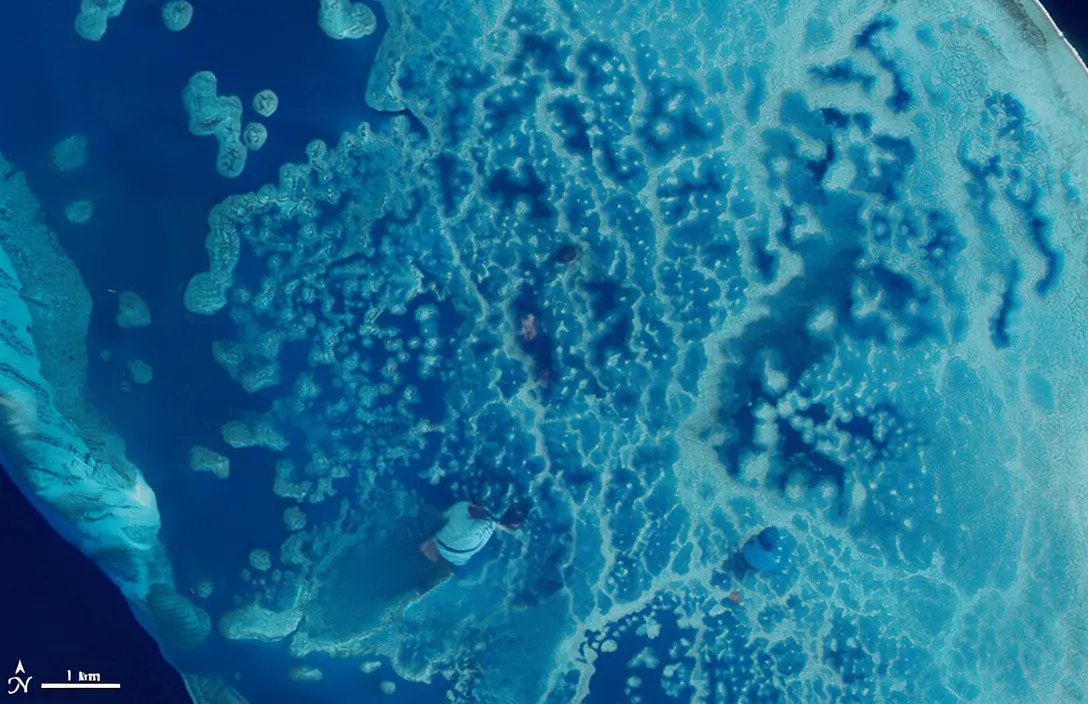
Arrecife Alacranes, the largest reef in the southern Gulf of Mexico, is an example of a coral reef that has been designated as a national park and UNESCO biosphere reserve. This reef, which is composed of corals, algae, foraminifera, and molluscs, has faced various ecological challenges, although it remains an important area for biodiversity and conservation efforts (Source ID: 2). [2]
Coral reefs are in a state of general decline globally, with experts noting that the health, abundance, and diversity of coral reefs have been decreasing over the past several decades, including over the last 10 years (Source ID: 1). This decline has been documented by organizations such as NOAA, which highlights the importance of coral reefs in supporting marine biodiversity and providing economic and ecological benefits to coastal communities. [1]
Advertisement
Pollution from land-based sources is a major cause of coral reef decline. In the Caribbean, for example, about 80 percent of ocean pollution originates from activities on land. Runoff from land clearing, agricultural areas, and sewage outflows carries large quantities of sediment, nutrients, and pollutants into reef environments, degrading water quality and harming coral ecosystems (Source ID: 1). [1]
Fishing also poses a significant threat to coral reefs. Mechanical impacts from fishing activities, such as fish traps breaking reefs or trawling that scours the seabed, can damage coral structures. Additionally, overfishing can disrupt the balance of reef ecosystems by removing key species that help maintain reef health, such as herbivorous fish that control algal growth (Source ID: 1). [1]
Arrecife Alacranes, the largest reef in the southern Gulf of Mexico, is an example of a coral reef that has been designated as a national park and UNESCO biosphere reserve. The reef, which has been growing for thousands of years, is composed of corals, algae, foraminifera, and molluscs. It was established as a protected area in 1994 and recognized by UNESCO in 2006, highlighting its ecological significance (Source ID: 2). [2]
Coral reefs are in a state of general decline globally, with experts noting that the health, abundance, and diversity of coral reefs have been decreasing over the past several decades, including over the last 10 years (Source ID: 1). This decline is attributed to a combination of factors, including land-based pollution, overfishing, and climate change. These threats have led to reduced coral cover and biodiversity, affecting the marine life that depends on these ecosystems. [1]
Advertisement
Pollution from land-based sources is a major cause of coral reef decline. Activities such as agricultural runoff, sewage discharge, and the use of pesticides contribute to poor water quality, which can lead to algal overgrowth, sedimentation, and the introduction of diseases into coral reef ecosystems (Source ID: 1). These pollutants alter the delicate balance of reef environments, often resulting in the degradation of coral structures and the loss of marine species. [1]
Arrecife Alacranes, the largest reef in the southern Gulf of Mexico, is an example of a coral reef that has been designated as a national park and UNESCO biosphere reserve (Source ID: 2). Despite its protected status, the reef faces similar threats to other coral ecosystems globally. The area was established as a national park in 1994 and recognized as a UNESCO biosphere reserve in 2006, highlighting the importance of such conservation efforts in preserving these unique and valuable ecosystems. [2]
Sources
Prepared with AI assistance from the cited sources.
The Cali Reporter newsletter
The stories worth your time.
California, the country, and what comes next. Join our free newsletter for reporting that keeps you informed.
More in Climate & Environment
- Texas Environmental Settlement and Regulatory Updates
Recent developments in Texas environmental regulation and legal settlements are being closely monitored by state and federal agencies, with ongoing efforts to address compliance and enforcement actions.