COP31 Draft Deal Calls for Immediate Shift Away from Fossil Fuels
COP31, co-hosted by Australia and Turkey, has released a draft political deal emphasizing an immediate transition away from fossil fuels and increased climate finance for developing countries.

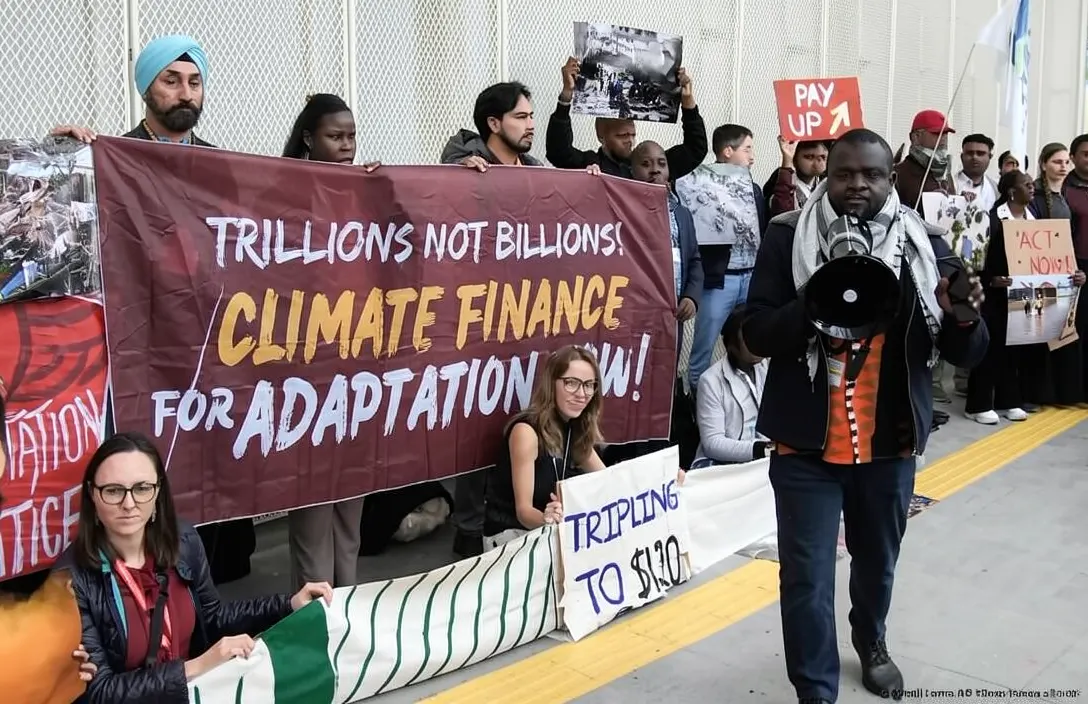
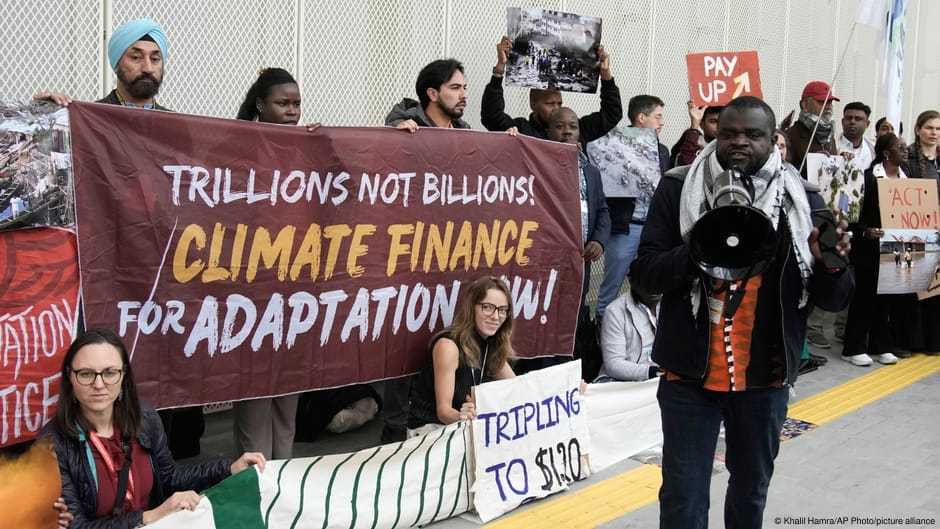
COP31 co-host Australia has initiated the second week of climate talks in Antalya with a draft political deal calling for an 'immediate transition away from fossil fuels' and a 'tripling' of finance for climate adaptation measures in developing countries to at least $120 billion (€109 billion) (source ID 1). The draft also includes Turkey's goal to increase electrification of the world's economies to 35% by 2035. However, the text notes that 'electrification can provide co-benefits regardless of the electricity mix,' an approach that has sparked debate at the talks, as many insist that electrification should be strictly tied to renewable energy (source ID 1). [1]
The draft expressed 'deep concern' that the 1.5 Celsius (2.7 Fahrenheit) temperature threshold agreed at the 2015 COP in Paris to avoid runaway climate change was now out of reach. It stressed the need for 'accelerating action to minimize both the magnitude and duration of any temperature overshoot and to return global warming to below 1.5C as soon as possible' (source ID 1). The text also highlights efforts to 'urgently and rapidly' scale up controversial technologies to capture and store CO2 to bring down atmospheric carbon levels (source ID 1). [1]
Climate finance is central to the talks, with representatives of developing nations and small island states protesting climate inaction and a lack of financial support. 'Climate finance isn't an extra at these talks: it's the condition for everything else,' said Rukiya Khamis, program manager for East Africa with environmental group 350.org (source ID 1). Activists have also dismissed carbon capture as a 'false solution' being promoted by corporations, while others argue that the draft lacks binding commitments (source ID 1). [1]
COP31 co-host Australia has initiated the second week of climate talks in Antalya with a draft political deal calling for an 'immediate transition away from fossil fuels' and a 'tripling' of finance for climate adaptation measures in developing countries to at least $120 billion (€109 billion) (source ID 1). The draft also includes a goal from co-host Turkey to increase the electrification of the world's economies to 35% by 2035. This language around a faster phaseout of oil, coal, and gas is significant, as fossil-fuel producing nations have repeatedly pushed back against stronger wording in previous COP decisions. [1]
Advertisement
The draft expressed 'deep concern' that the 1.5 Celsius (2.7 Fahrenheit) temperature threshold agreed at the 2015 COP in Paris to avoid runaway climate change was now out of reach. It stressed the need for 'accelerating action to minimize both the magnitude and duration of any temperature overshoot and to return global warming to below 1.5C as soon as possible.' Recognizing a need to address rising carbon emissions, the draft highlighted efforts to 'urgently and rapidly' scale up controversial technologies to capture and store CO2 to bring down atmospheric carbon levels. [1]
Climate finance is central to the talks, with representatives of developing nations and small island states protesting climate inaction and a lack of financial support in recent days. 'Climate finance isn't an extra at these talks: it's the condition for everything else,' said Rukiya Khamis, program manager for East Africa with environmental group 350.org. 'It's alarming how financial pledges by wealthy, polluting countries are dropping like a stone — COP31 must stop this with a strong outcome on adaptation finance.' [1]
COP31 co-host Australia has initiated the second week of climate talks in Antalya with a draft political deal calling for an 'immediate transition away from fossil fuels' and a 'tripling' of finance for climate adaptation measures in developing countries to at least $120 billion (€109 billion) (source ID 1). The draft emphasizes clean energy but notes that 'electrification can provide co-benefits regardless of the electricity mix' — an approach that has proved divisive at the talks, with many insisting that electrification be strictly tied to renewable energy. Language around a faster phaseout of oil, coal and gas is important because fossil-fuel producing nations have repeatedly pushed back against stronger wording in previous COP decisions. [1]
The draft expressed 'deep concern' that the 1.5 Celsius (2.7 Fahrenheit) temperature threshold agreed at the 2015 COP in Paris to avoid runaway climate change was now out of reach. It stressed the need for 'accelerating action to minimize both the magnitude and duration of any temperature overshoot and to return global warming to below 1.5C as soon as possible.' Recognizing a need to address rising carbon emissions, the draft highlighted efforts to 'urgently and rapidly' scale up controversial technologies to capture and store CO2 to bring down atmospheric carbon levels. [1]
Advertisement
Climate finance is central to the talks, with representatives of developing nations and small island states protesting climate inaction and a lack of financial support in recent days. 'Climate finance isn't an extra at these talks: it's the condition for everything else,' said Rukiya Khamis, program manager for East Africa with environmental group 350.org. 'It's alarming how financial pledges by wealthy, polluting countries are dropping like a stone — COP31 must stop this with a strong outcome on adaptation finance.' [1]
The draft political deal released at COP31 calls for an 'immediate transition away from fossil fuels' and a 'tripling' of finance for climate adaptation measures in developing countries to at least $120 billion (€109 billion) (source ID 1). This proposal is part of broader efforts to address the growing concerns over the 1.5 Celsius temperature threshold, which the draft indicates is now out of reach. The deal also highlights the importance of increasing the electrification of global economies to 35% by 2035 as a goal set by co-host Turkey (source ID 1). [1]
The draft emphasizes clean energy but notes that 'electrification can provide co-benefits regardless of the electricity mix,' a point that has sparked debate among participants (source ID 1). This approach has been divisive, with many advocating for electrification to be strictly tied to renewable energy sources. The language around a faster phaseout of oil, coal, and gas is particularly significant, as fossil-fuel producing nations have historically resisted stronger wording in previous COP decisions (source ID 1). [1]
Climate finance is central to the talks, with representatives from developing nations and small island states expressing concern over a lack of financial support and climate inaction (source ID 1). These groups argue that climate finance is not an additional element but a prerequisite for all other climate actions. Activists and experts have called for binding commitments to ensure that financial pledges by wealthy, polluting countries are fulfilled and that adaptation finance is provided as grant-based support rather than loans (source ID 1). [1]
Advertisement
The Cali Reporter newsletter
The stories worth your time.
California, the country, and what comes next. Join our free newsletter for reporting that keeps you informed.
More in World
- Irish Man Charged with Destroying U.S. Military Aircraft at Shannon Airport
A man from Ireland has been indicted for allegedly destroying a U.S. military aircraft at Shannon Airport, according to prosecutors in New York.
- Trump's APEC Summit and Strategic Meetings
President Donald Trump is set to attend the APEC summit in Shenzhen, China, where he is expected to meet with Chinese President Xi Jinping and participate in a trilateral meeting with Russian President Vladimir Putin,…
- Early Snowfall in Northern England and Scotland
Snowfall occurred in parts of Northern England and southern Scotland, with subsequent melting due to milder temperatures, according to the BBC.