Conservation Efforts for Endangered San Francisco Garter Snakes
A successful conservation initiative has led to the release of young San Francisco garter snakes into their natural habitat, marking a milestone for the endangered species.

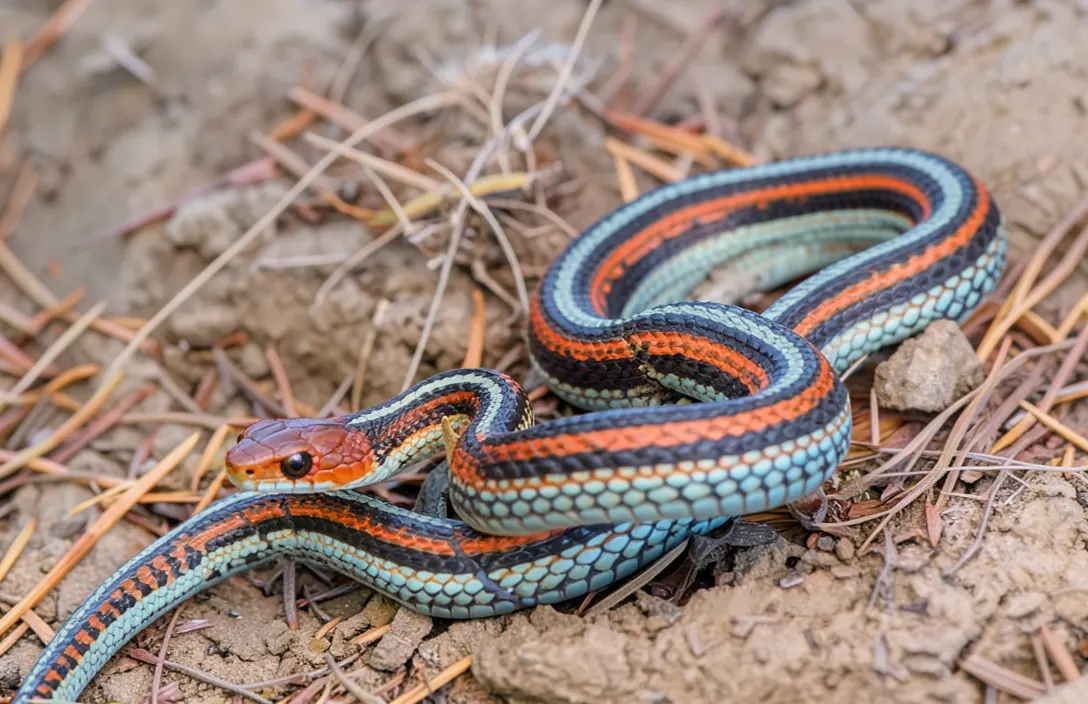

A group of young endangered San Francisco garter snakes was released into the wild by the San Francisco Zoo & Gardens earlier this month, marking the first successful release of San Francisco garter snakes raised in captivity (1). These small, vibrantly colorful snakes are found only in San Mateo and Santa Cruz counties. They first appeared on the endangered species list in 1967. The brightly colored snakes were raised at the San Francisco Zoo through a collaborative head-starting conservation program. [1]
The young snakes were raised and released by a collaborative head-starting conservation program led by the zoo, the U.S. Geological Survey, the U.S. Fish and Wildlife Service and others (1). More than 130 additional baby snakes have been born at the zoo and are set to be released next year. “This is an extraordinary accomplishment for everyone who has worked for generations to protect this remarkable species,” said Karine Tokatlian, a biologist at the Midpeninsula Regional Open Space District. [1]
Head-starting is a conservation strategy that involves raising baby animals in captivity while they are most vulnerable, and then releasing them into the wild after they have grown (1). After the release, scientists closely monitor population sizes at the release area. Only a couple of thousand San Francisco garter snakes are estimated to remain in the wild. The snakes have faced several challenges including drought, disease, declining prey populations, invasive species, vehicle strikes and illegal poaching. [1]
A group of young endangered San Francisco garter snakes was released into the wild by the San Francisco Zoo & Gardens earlier this month, marking the first successful release of San Francisco garter snakes raised in captivity (1). Small, vibrantly colorful San Francisco garter snakes are found only in San Mateo and Santa Cruz counties. They first appeared on the endangered species list in 1967. The brightly colored snakes were raised at San Francisco Zoo through a collaborative head-starting conservation program (1). [1]
Advertisement
The young snakes were raised and released by a collaborative head-starting conservation program led by the zoo, the U.S. Geological Survey, the U.S. Fish and Wildlife Service and others. More than 130 additional baby snakes have been born at the zoo and are set to be released next year (1). Head-starting is a conservation strategy that involves raising baby animals in captivity while they are most vulnerable, and then releasing them into the wild after they have grown (1). [1]
After the release, scientists closely monitor population sizes at the release area. Only a couple of thousand San Francisco garter snakes are estimated to remain in the wild. The snakes have faced several challenges including drought, disease, declining prey populations, invasive species, vehicle strikes and illegal poaching (1). The snakes also depend on unique habitats that have been fragmented by human development (1). [1]
The Department of the Interior and the Department of Commerce have finalized a rule rescinding the outdated regulatory definition of 'harm' under the Endangered Species Act, aiming to reduce burdens for landowners and communities while maintaining core protections for endangered species (2). This reform is based on the Supreme Court’s 2024 decision in Loper Bright v. Raimondo, which requires agencies to follow the single best meaning of a statute rather than contorting laws to fit political agendas (2). [2]
Secretary of the Interior Doug Burgum stated that the action returns the interpretation of the ESA back to its actual text and original intent, ending years of federal overreach. He emphasized that the prior definition of 'harm' was an unlawful regulatory intrusion that interfered with private property rights (2). [2]
Advertisement
The final rule will reduce unnecessary permitting, cut compliance costs, and eliminate confusion for landowners, small businesses, energy producers, farmers, ranchers, and local governments. It brings long overdue financial and regulatory relief to citizens who faced unpredictable delays and unnecessary costs due solely to interpretations that went far beyond the statute (2). [2]
A group of young endangered San Francisco garter snakes was released into the wild by the San Francisco Zoo & Gardens earlier this month, marking the first successful release of San Francisco garter snakes raised in captivity (1). These snakes are found only in San Mateo and Santa Cruz counties and were raised at the zoo through a collaborative head-starting conservation program led by the zoo, the U.S. Geological Survey, the U.S. Fish and Wildlife Service, and others. Head-starting is a conservation strategy that involves raising baby animals in captivity while they are most vulnerable, and then releasing them into the wild after they have grown (1). [1]
The young snakes were raised and released by a collaborative head-starting conservation program led by the zoo, the U.S. Geological Survey, the U.S. Fish and Wildlife Service, and others. More than 130 additional baby snakes have been born at the zoo and are set to be released next year. After the release, scientists closely monitor population sizes at the release area. Only a couple of thousand San Francisco garter snakes are estimated to remain in the wild. The snakes have faced several challenges including drought, disease, declining prey populations, invasive species, vehicle strikes, and illegal poaching (1). [1]
The Department of the Interior and the Department of Commerce have finalized a rule rescinding the outdated regulatory definition of 'harm' under the Endangered Species Act, aiming to reduce burdens for landowners and communities while maintaining core protections for endangered species (2). Secretary of the Interior Doug Burgum stated that the action returns the interpretation of the ESA back to its actual text and original intent, ending years of federal overreach. The final rule will reduce unnecessary permitting, cut compliance costs, and eliminate confusion for landowners, small businesses, energy producers, farmers, ranchers, and local governments (2). [2]
Advertisement
The Cali Reporter newsletter
The stories worth your time.
California, the country, and what comes next. Join our free newsletter for reporting that keeps you informed.
More in Los Angeles
- Afghan Journalist's Asylum Case Sparks Press Freedom Concerns
An Afghan journalist detained in California faces deportation to Afghanistan, where he could face persecution by the Taliban, according to advocacy groups and legal representatives.
- Oakland Incident Sparks Outrage Over ICE Actions
A video showing federal immigration agents using force against civilians in Oakland has raised concerns about immigration enforcement tactics.
- Los Angeles Zoo Celebrates 60th Anniversary with Discounted Admission
The Los Angeles Zoo is commemorating its 60th anniversary with discounted admission during the Thanksgiving holiday weekend, offering a promotional rate for visitors.