Colorectal Cancer Rates Reverse Decades of Decline
Colorectal cancer rates in the United States have begun to rise again after more than two decades of decline, according to new research published in NEJM Evidence. The increase is observed across nearly every age group…


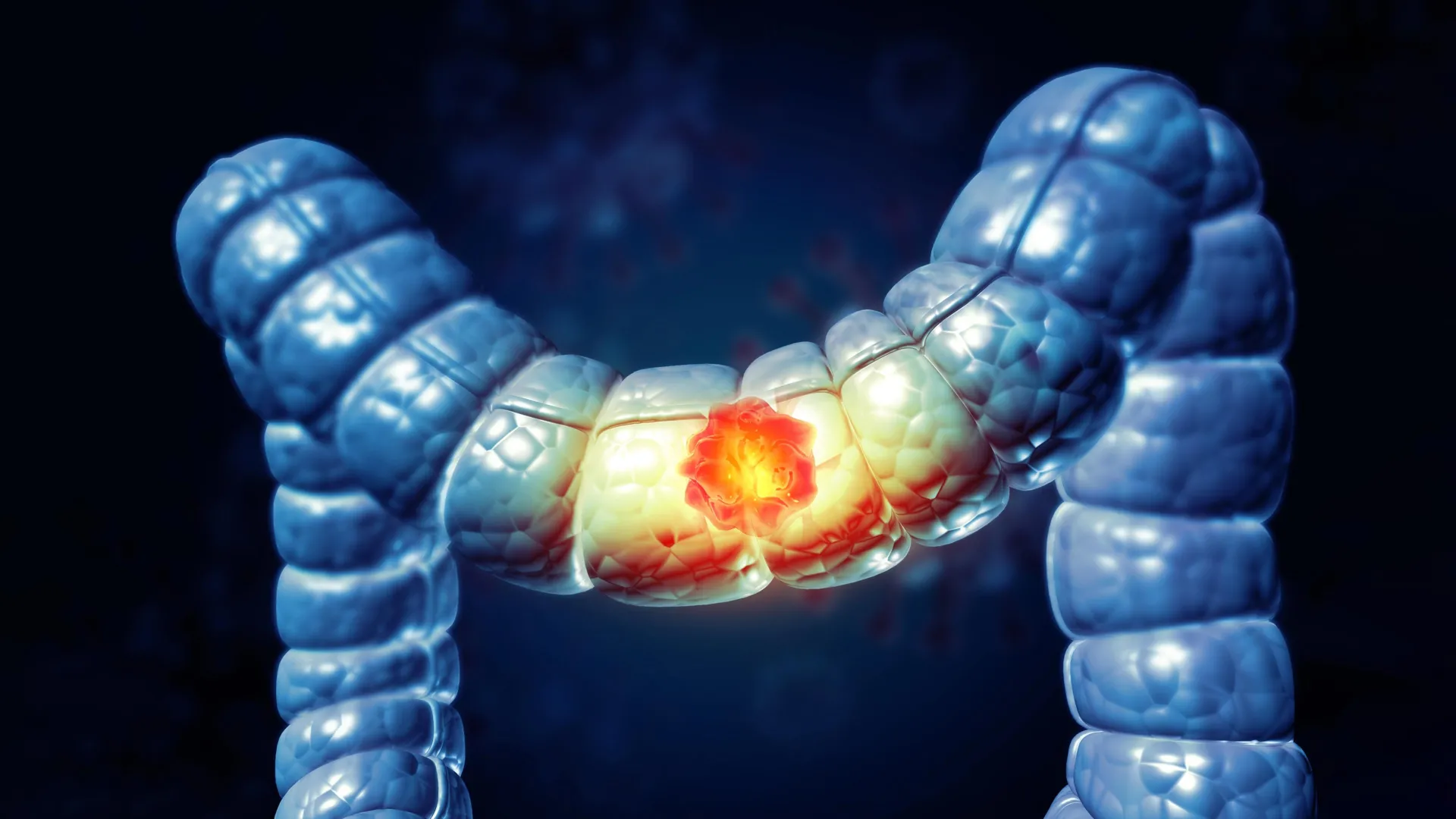
Colorectal cancer rates in the United States have begun to rise again after more than two decades of decline, according to new research published in NEJM Evidence. The increase is observed across nearly every age group under 70, raising concerns about a growing public health challenge. Colorectal cancer is already the second leading cause of cancer deaths in the United States and the leading cause among adults younger than 50 (source ID: 1). [1]
The study, led by Caitlin Murphy, PhD, MPH, Professor of Pediatrics and Public Health Sciences at the University of Chicago, examined colorectal cancer incidence data from the National Cancer Institute. The analysis tracked changes in diagnoses from 2000 through 2023. The results revealed a significant reversal, with the age-adjusted colorectal cancer incidence rate dropping from 55.2 cases per 100,000 people in 2000 to 36.7 in 2022, but then increasing to 38.3 in 2023 (source ID: 1). [1]
One of the most striking findings involved people between 45 and 49 years old. From 2019 through 2023, colorectal cancer incidence in this group increased by 12.76% annually, the largest rise recorded among the age groups examined. Researchers believe that changes in cancer screening recommendations, which lowered the recommended starting age for routine colorectal cancer screening from 50 to 45, have contributed to this increase (source ID: 1). [1]
The research team also investigated whether disruptions during the COVID-19 pandemic might have distorted the results. However, the upward trend remained even after the researchers removed data from 2020 and 2021. Screening activity had also largely recovered to its earlier levels by January 2021, making pandemic-related disruptions an unlikely explanation for the increase recorded in 2023 (source ID: 1). [1]
Advertisement
Colorectal cancer rates are climbing again in the United States after more than two decades of decline, and the troubling increase is affecting far more than younger adults. New research published in NEJM Evidence reveals that the disease is becoming more common across nearly every age group under 70, raising concerns about a growing public health challenge. Colorectal cancer is already the second leading cause of cancer deaths in the United States and the leading cause among adults younger than 50 (ScienceDaily Health & Medicine). [1]
To investigate the changing pattern, Caitlin Murphy, PhD, MPH, Professor of Pediatrics and Public Health Sciences at the University of Chicago, and her colleagues examined the latest colorectal cancer incidence data from the National Cancer Institute. Their analysis tracked changes in diagnoses from 2000 through 2023. The results revealed a significant reversal. In 2000, the age-adjusted colorectal cancer incidence rate was 55.2 cases per 100,000 people. By 2022, that figure had dropped to 36.7. However, the rate increased to 38.3 in 2023, marking the first overall rise after more than two decades of falling rates (ScienceDaily Health & Medicine). [1]
One of the most striking findings involved people between 45 and 49 years old. From 2019 through 2023, colorectal cancer incidence in this group increased by 12.76% annually, the largest rise recorded among the age groups examined. Researchers believe much of this particular increase can be explained by changes in cancer screening recommendations. National guidelines lowered the recommended starting age for routine colorectal cancer screening from 50 to 45, allowing more people to be tested and more previously undetected cancers to be identified (ScienceDaily Health & Medicine). [1]
Colorectal cancer rates are climbing again in the United States after more than two decades of decline, and the troubling increase is affecting far more than younger adults. New research published in NEJM Evidence reveals that the disease is becoming more common across nearly every age group under 70, raising concerns about a growing public health challenge. Colorectal cancer is already the second leading cause of cancer deaths in the United States and the leading cause among adults younger than 50 (Evidence ID 1). [1]
Advertisement
To investigate the changing pattern, Caitlin Murphy, PhD, MPH, Professor of Pediatrics and Public Health Sciences at the University of Chicago, and her colleagues examined the latest colorectal cancer incidence data from the National Cancer Institute. Their analysis tracked changes in diagnoses from 2000 through 2023. The results revealed a significant reversal. In 2000, the age-adjusted colorectal cancer incidence rate was 55.2 cases per 100,000 people. By 2022, that figure had dropped to 36.7. However, the rate increased to 38.3 in 2023, marking the first overall rise after more than two decades of falling rates (Evidence ID 1). [1]
One of the most striking findings involved people between 45 and 49 years old. From 2019 through 2023, colorectal cancer incidence in this group increased by 12.76% annually, the largest rise recorded among the age groups examined. Researchers believe much of this particular increase can be explained by changes in cancer screening recommendations. National guidelines lowered the recommended starting age for routine colorectal cancer screening from 50 to 45, allowing more people to be tested and more previously undetected cancers to be identified (Evidence ID 1). [1]
Sources
ScienceDaily Health & Medicine
Prepared with AI assistance from the cited sources.
The Cali Reporter newsletter
The stories worth your time.
California, the country, and what comes next. Join our free newsletter for reporting that keeps you informed.
More in Health & Medicine
- Brain Energy Mismatches in Schizophrenia
A new study explores the potential role of energy bottlenecks in brain cells in explaining fragmented experiences of time, space, and self in schizophrenia.
- Brazil Reports First Mpox Death in 2026
Brazil has recorded its first mpox-related death in 2026, but public health officials are not classifying the current surge in cases as an outbreak, according to the Fiocruz Institute.
- Personalized Therapies for IBD May Target Specific Harmful Gut Bacteria
A study led by Dr. Lukas Mager and Prof. Kathy McCoy has identified two gut bacteria that promote inflammation in inflammatory bowel disease, opening the door for personalized treatments.