Chinese AI Safety Group Meets with US Tech Firms
A Beijing-based AI safety group met with US companies to discuss international cooperation on AI risks, as the Trump administration considers new disclosure requirements for US firms using Chinese-developed AI models.

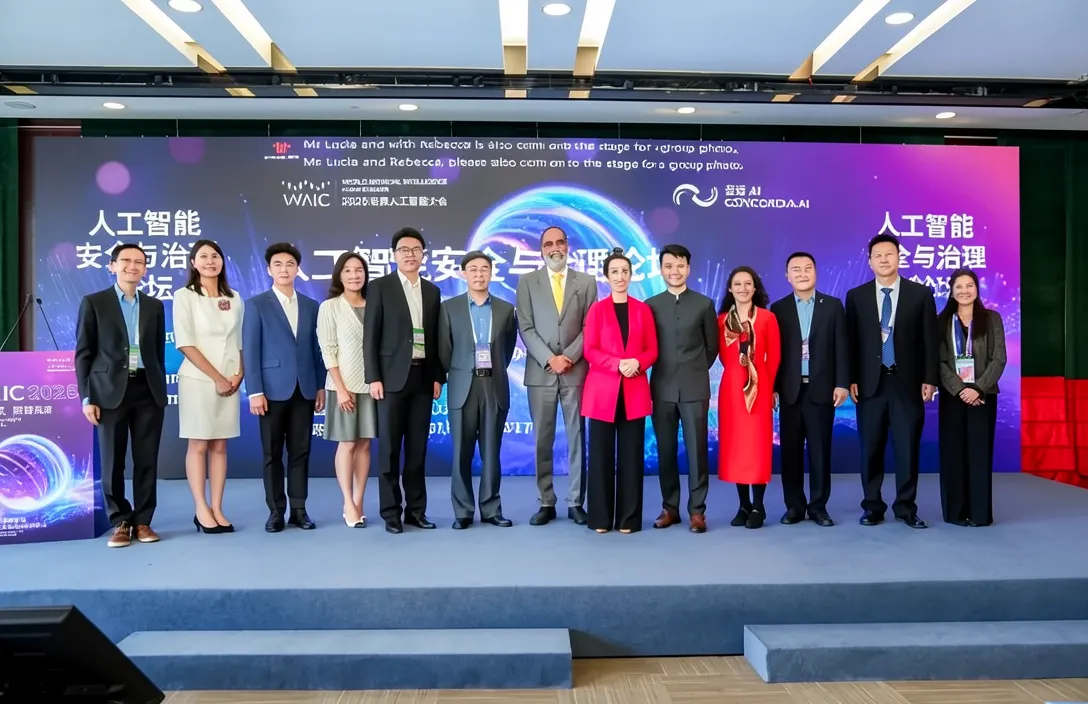
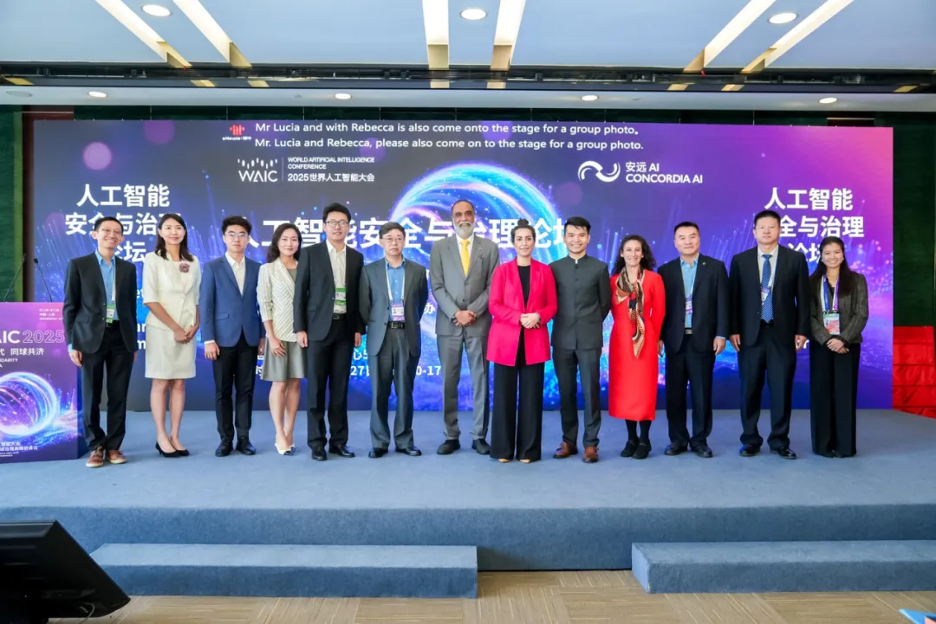
A Beijing-based AI safety group, Concordia AI, visited OpenAI’s San Francisco headquarters last month to brief technical staff and other employees on China’s approach to AI safety, as reported by Politico. The organization also held meetings with technology companies in New York and Washington, and appeared at an invite-only AI conference in Berkeley. Concordia CEO Brian Tse and Kwan Yee Ng, who oversees the organization’s international AI safety and governance work, said the discussions focused on Chinese AI research, safety concerns, and the possibility of coordinating international efforts to slow the development of increasingly powerful systems (source ID: 1). [1]
American researchers were particularly interested in whether China would consider slowing development of advanced AI systems if the US agreed to do the same, and how seriously Chinese technology companies and researchers viewed potential safety risks. The discussions come as the US and nine allied countries have signed a new agreement aimed at securing the global AI supply chain against China. The San Francisco Declaration is part of a larger strategy to limit China's access to advanced AI technology, including semiconductors, while expanding cooperation among countries considered trusted partners (source ID: 1). [1]
Reuters reports that the Trump administration is considering a different approach to limiting American reliance on Chinese AI. The Treasury Department and White House Office of Science and Technology Policy have reportedly discussed requiring US companies to publicly disclose when they use Chinese-developed AI models, rather than imposing outright restrictions that could provoke industry opposition or anger Beijing. The proposed disclosures could reportedly include posting the information on company websites (source ID: 1). [1]
A delegation from Beijing-based Concordia AI visited OpenAI’s San Francisco headquarters last month to brief technical staff and other employees on China’s approach to AI safety, as SFist reports. The organization also held meetings with technology companies in New York and Washington, along with appearances at an invite-only AI conference in Berkeley and events surrounding the United Nations General Assembly. Concordia CEO Brian Tse and Kwan Yee Ng, who oversees the organization’s international AI safety and governance work, said the discussions were focused on Chinese AI research, safety concerns, and the possibility of coordinating international efforts to slow the development of increasingly powerful systems. According to Politico, Google DeepMind has also participated in Concordia-hosted discussions, while Anthropic did not respond to requests for comment. [1]
Advertisement
Ng said American researchers were particularly interested in whether China would consider slowing development of advanced AI systems if the US agreed to do the same, and how seriously Chinese technology companies and researchers viewed potential safety risks. The discussions come as the US and nine allied countries have signed a new agreement aimed at securing the global AI supply chain against China. As SFist reported Monday, the San Francisco Declaration is part of a larger strategy to limit China's access to advanced AI technology, including semiconductors, while expanding cooperation among countries considered trusted partners. [1]
Reuters reports that the Trump administration is considering a different approach to limiting American reliance on Chinese AI. The Treasury Department and White House Office of Science and Technology Policy have reportedly discussed requiring US companies to publicly disclose when they use Chinese-developed AI models, rather than imposing outright restrictions that could provoke industry opposition or anger Beijing. The proposed disclosures could reportedly include posting the information on company websites. [1]
The idea reflects growing concern about inexpensive Chinese open-weight models, including Alibaba’s Qwen, DeepSeek, and Moonshot AI’s Kimi, which American companies are increasingly adopting, per Reuters. Airbnb, for example, uses Qwen for its AI customer service agent, while coding tool Cursor, has used a version of Kimi. Both companies are SF-based. [1]
Sources
Prepared with AI assistance from the cited sources.
The Cali Reporter newsletter
The stories worth your time.
California, the country, and what comes next. Join our free newsletter for reporting that keeps you informed.
More in San Francisco
- United Airlines Offers Flight Change Waivers Ahead of Storm at SFO
United Airlines has announced a waiver of flight-change fees for passengers affected by an incoming storm and potential flooding at San Francisco International Airport.
- Brandon Aiyuk Released by 49ers, Likely to Become Free Agent
The San Francisco 49ers have released wide receiver Brandon Aiyuk, who is expected to become a free agent after filing for reinstatement and passing a physical.
- Nvidia CEO Reinstated Amid National Security Concerns
Nvidia's board reinstated Jensen Huang as CEO following intervention from President Donald Trump, amid ongoing investigations into potential export control violations and national security risks.