

Chesapeake Bay Blue Crab Numbers Surge 46% In Stunning Comeback After Decades Of Decline
Conservationists celebrate a record-breaking recovery for the beloved crustacean.

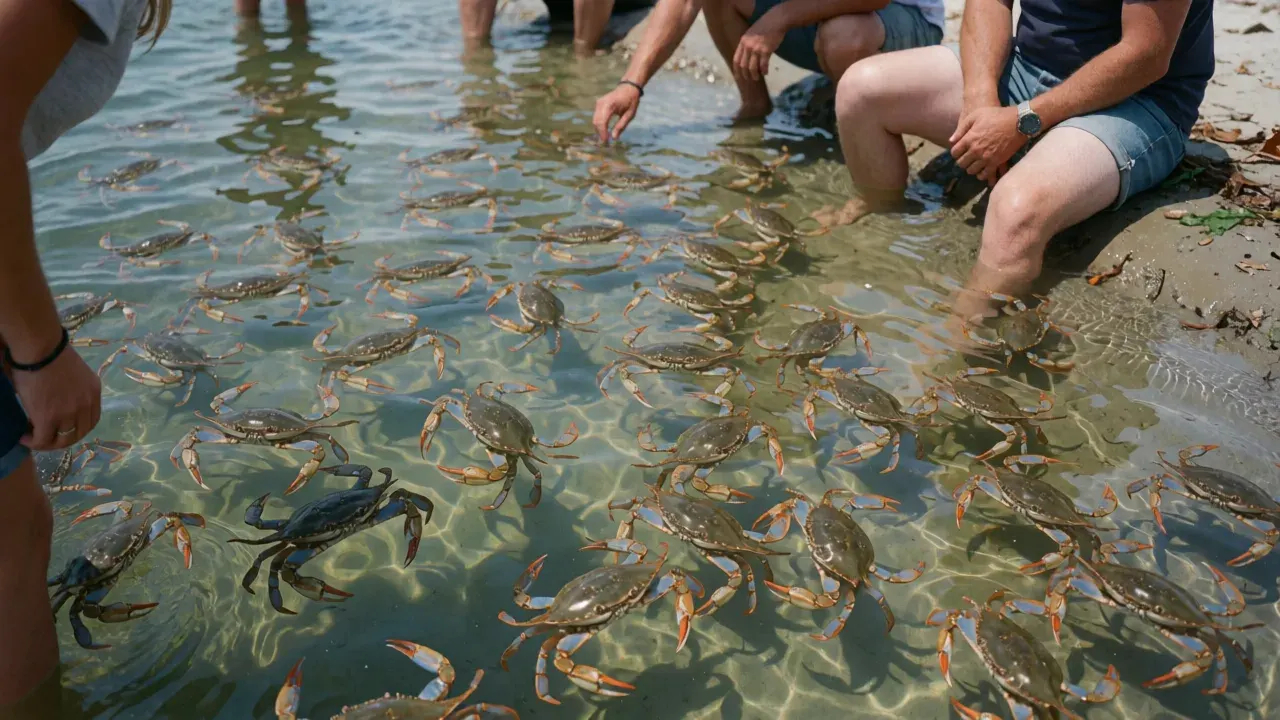
It is a moment of pure delight to share this news from one of America’s most vital ecosystems. The latest field surveys reveal a massive turnaround for the blue crab population in the Chesapeake Bay. After years of worrying data, the numbers are finally looking up. The annual winter dredge survey from the Maryland Department of Natural Resources and Virginia Institute of Marine Sciences shows a total population estimated at 349 million blue crabs. This figure represents a 46 percent increase over last year and is the highest population level recorded since 2019.
For true philanthropists of the environment, this kind of outcome tells a story of hope. The Chesapeake Bay is the largest estuary in the US. It spans 200 miles from Maryland to Virginia near Washington DC. This vast body of water supports more than 3,600 plant and animal species. The blue crab remains a cornerstone of the region’s heritage and culture. Yet, the path to this recovery was paved with challenges. In the past 30 years, the surface water temperature has increased by 1.8 degrees Fahrenheit. Human industrialization has also played a role in previous declines.
We must also acknowledge the role of invasive species in the previous struggles. The blue catfish is a major contributor to the crab conundrum. These predators were introduced in the 1970s for recreational fishing. They hunt and dig up dormant blue crabs year-round. The turnaround proves that conservation measures work when they are applied with diligence and data-driven governance. The catch limit laws from Maryland and Virginia have successfully addressed the issue of overfishing. Separate research from the 2026 Chesapeake Bay Blue Crab Assessment and Advisory report confirms there is no overfishing in the bay.

This good news is part of a larger trend toward ecosystem restoration. Maryland recently released a report confirming the abundance of underwater sea grasses. Seagrass coverage is critical for the Bay's health and provides a home for juvenile crabs. In Maryland, the coverage expanded from 36,799 acres in 2024 to 41,419 acres in 2025. This represents an increase of nearly 13 percent in a single year. Bay-wide, the acreage reached an estimated 89,385 acres. This is a 7 percent increase from the 83,252 acres recorded in 2024.
The efforts of neighboring states and federal agencies continue to ensure a healthy environment. The success of the blue crab recovery inspires hope for other conservation efforts. Locally extinct for a century, bay scallops are thriving again on Virginia's shore. Furthermore, the world's largest oyster restoration project in the Virginia Chesapeake Bay has achieved big success. These wins illustrate that when we give back to nature, it gives back to us.
First reported by Good News Network.
More in Good News
- Historical Milestones: From Scientific Breakthroughs to Civil Rights Advancements
A retrospective look at significant global events occurring on October 7, spanning musical achievements, scientific discoveries, and social progress.
- October 3: Korean Foundation Day, Lincoln’s Thanksgiving, and TV Classics
Marking mythic descent, national unity, and cultural milestones across centuries.
- The Secret Sauce of the Best Food Pantries is Dignity
Why the best food banks treat hunger like a temporary pause not a permanent state