Central Bank Communications in Times of Uncertainty
The Bank of Canada discusses the importance of scenario-based communications in monetary policy, particularly during periods of heightened economic uncertainty.

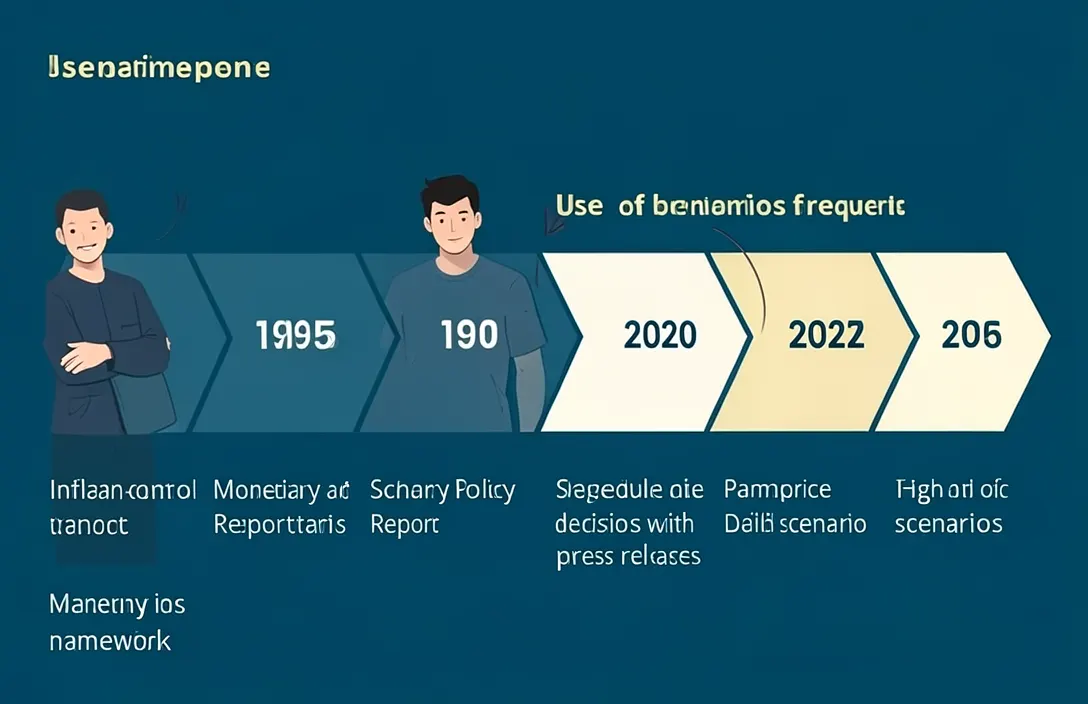

The Bank of Canada emphasizes the importance of scenario-based communications in monetary policy, especially during times of heightened uncertainty. As noted in remarks by Deputy Governor Toni Gravelle at the Edmonton Chamber of Commerce on November 18, 2026, central banks must be transparent about the uncertainty they face and the risks they are monitoring (1). This approach allows the Bank to provide a range of possible outcomes, helping Canadians understand how economic shocks might impact growth and inflation, and how the Bank might respond (1). The use of scenarios has become more frequent due to the increasing number of shocks the economy has faced in recent years (1). [1]
Scenarios serve as a tool to communicate the conditional nature of monetary policy decisions, making it clear that projections and guidance are based on assumptions that may not materialize (1). Deputy Governor Gravelle explained that scenarios help test the Bank’s base-case outlook against plausible alternatives, enabling more robust decision-making (1). For example, in the wake of the pandemic, the Bank used scenarios to explore the economic impact of unprecedented events, such as the global shutdown, when a most likely path for growth and inflation could not be identified (1). These scenarios provided the public with a clearer understanding of possible economic outcomes and the Bank’s preparedness to respond (1). [1]
The Bank’s use of scenarios is particularly important in a shock-prone world, as it allows for a more nuanced understanding of risks and uncertainties (1). Deputy Governor Gravelle highlighted that scenarios help illustrate how economic shocks or risks could affect the path for growth and inflation, as well as the potential policy response (1). This approach shifts the focus from forecasting the future to preparing for it, ensuring that the Bank’s communications remain relevant and credible in times of uncertainty (1). By being open about what is known and what is not known, the Bank aims to maintain public trust and support its objective of keeping inflation low and stable (1). [1]
The Bank of Canada emphasizes the use of scenarios as a communication tool to convey the conditional nature of monetary policy decisions, especially in times of heightened uncertainty (1). Scenarios allow the Bank to communicate the assumptions underlying its projections and guidance, making it clear that these are conditional on how the economy evolves (1). This approach is particularly relevant in a shock-prone world, where uncertainty is more prevalent and economic outcomes can vary significantly based on external shocks (1). [1]
Advertisement
Scenarios are used to explore different potential outcomes for the economy and inflation, helping to illustrate how shocks or risks could affect the path for growth and inflation (1). By publishing scenarios, the Bank aims to provide a clearer understanding of the risks it is monitoring and how its policy response might change if those risks materialize (1). This approach helps shift the focus from forecasting the future to preparing for it by testing the base-case outlook against plausible alternatives (1). [1]
The Bank has increasingly published scenarios in recent years, driven by a rise in uncertainty and the need to communicate more effectively during times of economic volatility (1). These scenarios are most useful in times of extreme uncertainty or when they shed light on material risks that are difficult to explain in words alone (1). By being open about uncertainty, the Bank aims to enhance its credibility and accountability while ensuring that Canadians understand the risks being monitored and the potential policy responses (1). [1]
The Bank of Canada emphasizes that scenario-based communications are essential for conveying the conditional nature of monetary policy decisions during times of heightened uncertainty (1). These scenarios serve to illustrate how different potential outcomes for the economy and inflation could affect the path for growth and inflation, helping stakeholders understand the risks involved (1). The Bank has increasingly published such scenarios in recent years, driven by the need to communicate more effectively during times of economic volatility (1). [1]
Scenarios allow central banks to explore different potential outcomes for the economy and inflation, helping to illustrate how shocks or risks could affect the path for growth and inflation (1). The Bank of Canada has used this approach to test its base-case projections against other possible outcomes, ensuring that its policy decisions are robust and well-informed (1). This method has become more prevalent as the Bank faces a more shock-prone world, where uncertainty is a significant factor in economic planning (1). [1]
Advertisement
The Bank of Canada explains that scenarios are particularly useful during times of extreme uncertainty, such as during the pandemic, where it was not feasible to identify a most likely path for growth and inflation (1). By publishing scenarios, the Bank aims to enhance its credibility with Canadians and provide a clearer understanding of the risks it is monitoring (1). This approach helps the Bank remain transparent about its thinking and ensures that Canadians are informed about the potential consequences of different economic developments (1). [1]
The Bank of Canada emphasizes that scenario-based communications are essential for conveying the conditional nature of monetary policy decisions during times of heightened uncertainty (1). Scenarios allow central banks to explore different potential outcomes for the economy and inflation, helping to illustrate how shocks or risks could affect the path for growth and inflation (1). This is particularly important in a shock-prone world, where uncertainty has increased significantly in recent years (1). [1]
In the Bank of Canada's recent communications, scenarios have been used to explore two types of uncertainty—uncertainty around how an event will play out and uncertainty around how households and businesses will react to that event (1). The Bank has increasingly published scenarios in recent years, driven by a rise in uncertainty and the need to communicate more effectively during times of economic volatility (1). This approach has been especially useful during periods of extreme uncertainty, such as during the pandemic, where it was not feasible to identify a most likely path for growth and inflation (1). [1]
The Bank of Canada explains that scenarios are particularly useful during times of extreme uncertainty, such as during the pandemic, where it was not feasible to identify a most likely path for growth and inflation (1). By laying out different paths for the economy and inflation, the Bank can talk about the future even when it cannot be confident about a base-case projection (1). Scenarios help the Bank test its base-case outlook against plausible alternatives and think through the consequences of being wrong (1). This approach allows for a more nuanced understanding of risks and uncertainties in monetary policy decisions (1). [1]
Advertisement
The Cali Reporter newsletter
The stories worth your time.
California, the country, and what comes next. Join our free newsletter for reporting that keeps you informed.
More in Business
- Kirkland Signature Meals: A Family's Take on Taste and Value
A family's review of Kirkland Signature meals highlights a mix of flavors, textures, and value at Costco, with some dishes standing out while others fall short of expectations.
- Ex-OpenAI Engineer Donates Equity to AI Safety
Jacob Coxon, a former engineer at OpenAI and Anthropic, has pledged to donate his equity in OpenAI to AI safety research, citing concerns over the risks of uncontrolled AI development.
- Scottish Hacker Sentenced for Crypto Theft Scheme
A Scottish hacker has been sentenced to six years in U.S. federal prison for orchestrating a large-scale cryptocurrency theft operation, according to a report from the U.S. Attorney’s Office for the Central District of…