Cellphone Bans in Schools May Improve Student Learning, Study Suggests
New research indicates that locking students' phones in pouches during the school day may lead to small but significant improvements in math and reading scores, according to a study published by Harvard University and…

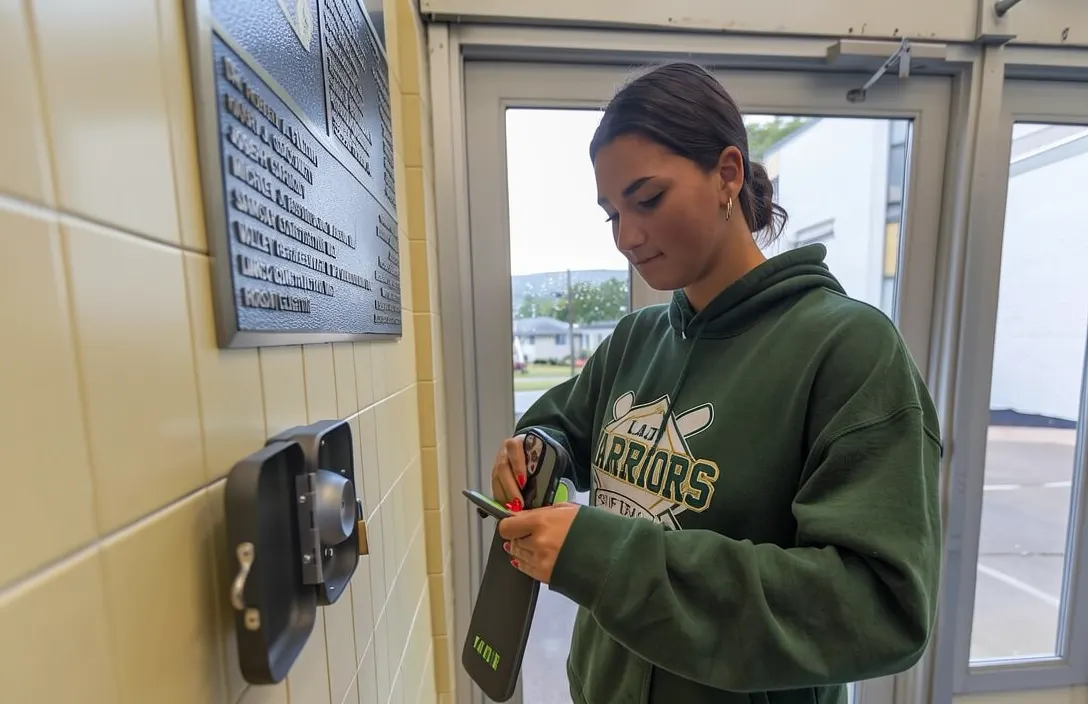

A new study suggests that locking students' phones in pouches during the school day may lead to small but significant improvements in math and reading scores. The research, conducted by Harvard University and Dartmouth College, analyzed test scores from over 3 million students across the United States over the past five school years. The study found that strict cellphone bans appear to plug about half of the learning loss that has occurred since around 2013, when U.S. students began losing 2-3 weeks of learning each year (source ID 1). [1]
The study compared test scores in schools that adopted phone pouches with those that did not, finding that the learning gains from these bans did not fade out after the first year of implementation. Instead, the gains appeared to continue, year after year, at least up to three years after adoption (source ID 1). [1]
However, the findings are not without contradiction. A separate study from April found that these pouches had "close to zero" impact on student test scores, and any benefit observed was not statistically significant. The difference in results may be due to the fact that the April study used school-level mean test scores, while the more recent study used student-level scores (source ID 1). [1]
Despite the mixed results, the study's authors argue that even small gains in learning could be meaningful over time, especially considering the relatively low cost of implementing phone pouches. However, further research is needed to confirm these findings and to understand the long-term effects of cellphone bans on student achievement (source ID 1). [1]
Advertisement
A new study suggests that locking students' phones in pouches during the school day may lead to small but significant improvements in math and reading scores. The study compared test scores in schools that adopted phone pouches with those that did not, finding that the learning gains from these bans did not fade out after the first year of implementation (source ID: 1). The research, conducted by Harvard University’s Tom Kane and Dartmouth College’s Douglas Staiger, analyzed a nationwide sample of more than 3 million elementary-, middle-, and high-school students over the past five school years. The findings indicate that strict cellphone bans appear to trigger small learning gains, which persisted over at least three years after adoption (source ID: 1). [1]
However, the findings are not without contradiction. A separate study from April found that these pouches had 'close to zero' impact on student test scores, and if there was a benefit, it was not statistically significant (source ID: 1). Brian Jacob, a co-author of that April study and a professor of education policy at the University of Michigan, noted that the earlier study found statistically significant gains with Yondr pouches in high school math but offset by learning losses in middle school (source ID: 1). Both studies focused on schools' adoption of lockable pouches made by the for-profit company Yondr, which requires that students put their phones in them at the beginning of the day and do not get them back until the end of the school day (source ID: 1). [1]
The two studies also differ in key ways. The April study pooled school-level mean test scores at several thousand Yondr-adopting schools, while the more recent study used student-level scores at 844 schools that use both Yondr pouches and tests administered by NWEA (source ID: 1). Kane sees the results differently, arguing that even if the benefit is small, relative to the cost—roughly $25 per student—these pouches still make financial sense for schools (source ID: 1). However, other researchers remain cautious, emphasizing the need for continued study on this topic (source ID: 1). [1]
A new study suggests that locking students' phones in pouches during the school day may lead to small but significant improvements in math and reading scores. The study compared test scores in schools that adopted phone pouches with those that did not, finding that the learning gains from these bans did not fade out after the first year of implementation. According to the study, which was conducted by Harvard University’s Center for Education Policy Research, Dartmouth College, and NWEA, the analysis covered more than 3 million students over five school years. The findings indicate that strict cellphone bans appear to trigger small learning gains, which continued year after year for at least three years after adoption (source ID 1). [1]
Advertisement
However, the findings are not without contradiction. A separate study from April found that these pouches had “close to zero” impact on student test scores – and if there was a benefit, it was not statistically significant. The April study, which was peer-reviewed, pooled school-level mean test scores at several thousand Yondr-adopting schools. In contrast, the more recent study used student-level scores at 844 schools that use both Yondr pouches and tests administered by NWEA. While the recent study had more fine-grain, student-level data, the April study examined a much larger sample of schools (source ID 1). [1]
Both studies focused on schools that use lockable pouches made by the for-profit company Yondr. Schools that use the pouches typically require that students put their phones in them at the beginning of the day and don’t get them back until the end of the school day, when the pouches are unlocked by a school administrator with a special magnetic device. However, the two studies also differ in key ways, and their findings are not as different as they may seem. The April study found statistically significant gains with Yondr pouches in high school math, but those gains were offset by ban-related learning losses in middle school (source ID 1). [1]
A new study suggests that locking students' phones in pouches during the school day may lead to small but significant improvements in math and reading scores. The study compared test scores in schools that adopted phone pouches with those that did not, finding that the learning gains from these bans did not fade out after the first year of implementation (Source ID: 1). According to the study, the learning gains from these bans appeared to continue, year after year – at least up to three years after adoption. The researchers note that the study was the first nationwide analysis of student-level test scores in math and reading both before and after schools enforced locked-pouch cellphone bans. [1]
However, the findings are not without contradiction. A separate study from April found that these pouches had 'close to zero' impact on student test scores – and if there was a benefit, it was not statistically significant (Source ID: 1). Both studies focused on schools that use lockable pouches made by the for-profit company Yondr. According to the more recent study, more than 3,300 schools nationwide began using the pouches between the '19-'20 and '25-'26 school years. Typically, schools that use the pouches require that students put their phones in them at the beginning of the day and don't get them back until the end of the school day. [1]
Advertisement
The two studies also differ in key ways. The April study pooled school-level mean test scores at several thousand Yondr-adopting schools, while the more recent study used student-level scores at the 844 schools that use both Yondr pouches and tests administered by NWEA (Source ID: 1). The study released Tuesday had more fine-grain, student-level data, but the study released in April was able to examine a much larger sample of schools. Both are large-scale studies by well-respected teams of researchers. The April study has been peer-reviewed; the more recent study has not. [1]
Sources
Prepared with AI assistance from the cited sources.
The Cali Reporter newsletter
The stories worth your time.
California, the country, and what comes next. Join our free newsletter for reporting that keeps you informed.
More in West Coast
- COP31 Collapse Highlights Climate Negotiation Challenges
The collapse of COP31, the U.N. climate talks in Turkey, has underscored the difficulties in achieving global consensus on climate action, with experts emphasizing the need for reform and individual efforts moving…
- ScienceWorks Museum to Transition to Community Science Center
ScienceWorks Hands-On Museum in Ashland, Oregon, is pausing most activities and transitioning to a community science center with new resources for all ages, according to a report by Jefferson Public Radio.
- Seniors Embrace Tesla's Automated Driving Despite Safety Concerns
A growing number of older drivers are using Tesla's Full-Self Driving (Supervised) technology to maintain their independence, despite warnings from safety experts about potential risks.