Cape Verde's Presidential Election Results
Cape Verde's president, Jose Maria Neves, has been re-elected with a significant majority according to provisional results, marking a key event in the nation's political landscape.

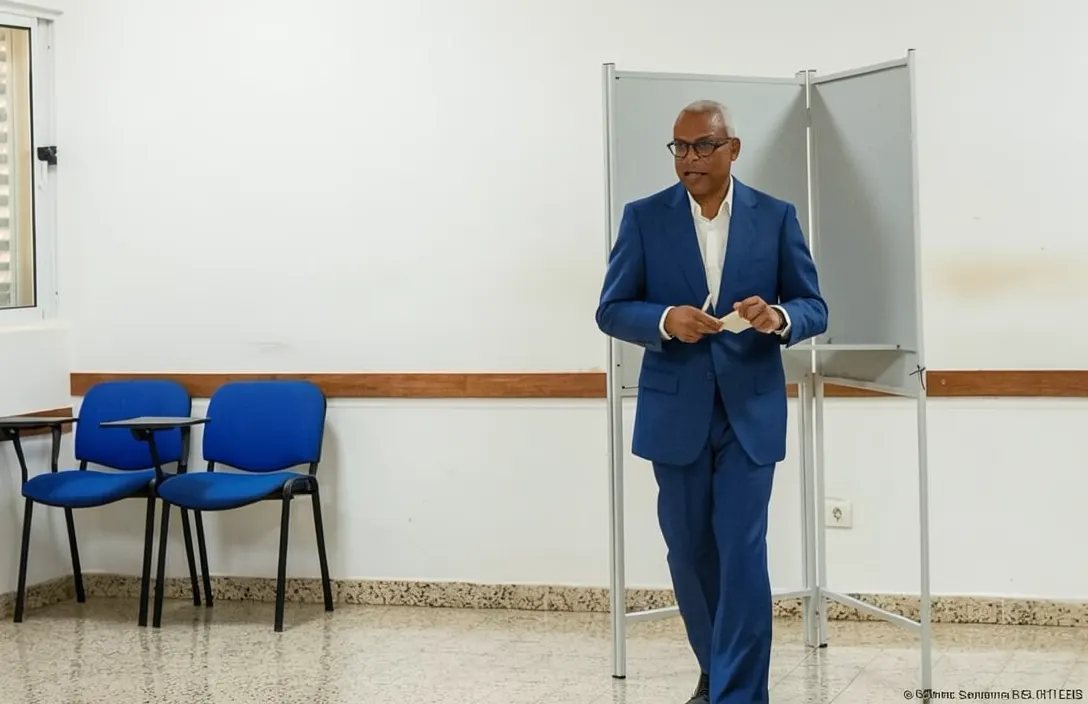
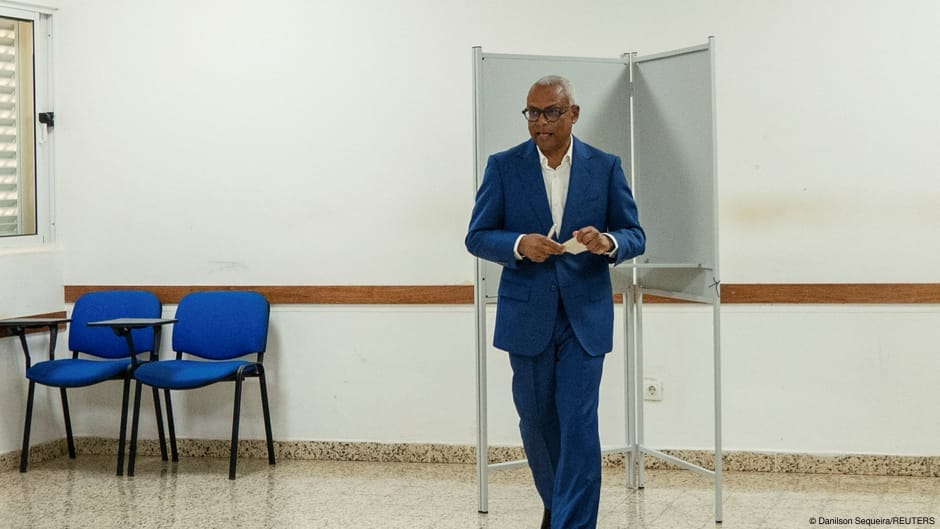
Cape Verde President Jose Maria Neves won re-election Sunday with 63.8% of the vote, according to provisional results from the country's electoral commission (Source ID: 1). The 66-year-old Neves was seeking a second term as leader of the West African archipelago, which is known for its stable democracy. His main challenger was 61-year-old Joana Rosa Amado, a former justice minister who secured around 31.6% of the vote. Four other candidates also contested the election. [1]
Some 420,000 people were eligible to vote in the west African archipelago, with the election being watched by about 150 observers from the Economic Community of West African States, the African Union and European Union (Source ID: 1). Cape Verde is made of ten volcanic islands located in the Atlantic Ocean about 600 kilometers (375 miles) off the coast of Senegal. The island nation is known for its democratic stability and good governance, and its economy has been showing strong growth. [1]
The Mo Ibrahim Foundation's 2026 index on global governance has the country in third place of Africa's 54 countries, with only Seychelles and Mauritius faring better (Source ID: 1). Joana Rosa Amado, a former justice minister, made history as Cape Verde's first female presidential candidate. According to the World Bank, Cape Verde is an upper-middle-income country due to its growing tourism industry. [1]
Cape Verde President Jose Maria Neves won re-election with 63.8% of the vote, according to provisional results from the country's electoral commission (Source ID: 1). The 66-year-old Neves was seeking a second term as leader of the West African archipelago, which is known for its stable democracy. His main challenger was 61-year-old Joana Rosa Amado, a former justice minister who secured around 31.6% of the vote. Four other candidates also contested the election. [1]
Advertisement
Some 420,000 people were eligible to vote in the west African archipelago, with the election being watched by about 150 observers from the Economic Community of West African States, the African Union and European Union (Source ID: 1). Cape Verde is made of ten volcanic islands located in the Atlantic Ocean about 600 kilometers (375 miles) off the coast of Senegal. The island nation is known for its democratic stability and good governance, and its economy has been showing strong growth. [1]
The Mo Ibrahim Foundation's 2026 index on global governance has the country in third place of Africa's 54 countries, with only Seychelles and Mauritius faring better (Source ID: 1). According to the World Bank, Cape Verde is an upper-middle-income country due to its growing tourism industry. The challenges it faces range from social inequality, the islands' geographic isolation and the lack of traveling options between islands. [1]
Cape Verde President Jose Maria Neves secured re-election with 63.8% of the vote, according to provisional results from the country's electoral commission (Source ID: 1). The election was closely monitored by approximately 150 observers from the Economic Community of West African States, the African Union, and the European Union, underscoring the transparency of the process (Source ID: 1). This election reflects the nation's continued commitment to democratic stability, a hallmark of Cape Verde's political landscape (Source ID: 1). [1]
The country is recognized as one of Africa's most democratic nations, with the Mo Ibrahim Foundation's 2026 index placing it third among Africa's 54 countries in terms of global governance, behind only Seychelles and Mauritius (Source ID: 1). Cape Verde's success in governance is attributed to its stable political environment, strong institutions, and economic growth driven by sectors such as tourism (Source ID: 1). The nation's status as an upper-middle-income country, as noted by the World Bank, further highlights its progress in development (Source ID: 1). [1]
Advertisement
Despite its achievements, Cape Verde faces ongoing challenges, including social inequality, geographic isolation of its islands, and limited inter-island travel options (Source ID: 1). These issues, along with rising living costs and youth unemployment, present significant hurdles for the country's continued development (Source ID: 1). Nevertheless, the nation's strong democratic framework and governance record remain central to its identity and international standing (Source ID: 1). [1]
Cape Verde President Jose Maria Neves won re-election Sunday with 63.8% of the vote, according to provisional results from the country's electoral commission (Source ID: 1). The 66-year-old Neves was seeking a second term as leader of the West African archipelago, which is known for its stable democracy. His main challenger was 61-year-old Joana Rosa Amado, a former justice minister who secured around 31.6% of the vote. Four other candidates also contested the election (Source ID: 1). [1]
Some 420,000 people were eligible to vote in the west African archipelago, with the election being watched by about 150 observers from the Economic Community of West African States, the African Union and European Union (Source ID: 1). Cape Verde is made of ten volcanic islands located in the Atlantic Ocean about 600 kilometers (375 miles) off the coast of Senegal (Source ID: 1). [1]
The island nation is known for its democratic stability and good governance, and its economy has been showing strong growth. The Mo Ibrahim Foundation's 2026 index on global governance has the country in third place of Africa's 54 countries, with only Seychelles and Mauritius faring better (Source ID: 1). [1]
Advertisement
The Cali Reporter newsletter
The stories worth your time.
California, the country, and what comes next. Join our free newsletter for reporting that keeps you informed.
More in World
- Irish Man Charged with Destroying U.S. Military Aircraft at Shannon Airport
A man from Ireland has been indicted for allegedly destroying a U.S. military aircraft at Shannon Airport, according to prosecutors in New York.
- Trump's APEC Summit and Strategic Meetings
President Donald Trump is set to attend the APEC summit in Shenzhen, China, where he is expected to meet with Chinese President Xi Jinping and participate in a trilateral meeting with Russian President Vladimir Putin,…
- Early Snowfall in Northern England and Scotland
Snowfall occurred in parts of Northern England and southern Scotland, with subsequent melting due to milder temperatures, according to the BBC.