Canada Considers Chinese Automakers Amid U.S. Trade Talks
Canadian Prime Minister Mark Carney has indicated that Canada may turn to Chinese automakers if trade negotiations with the United States fail to maintain an integrated North American auto industry.


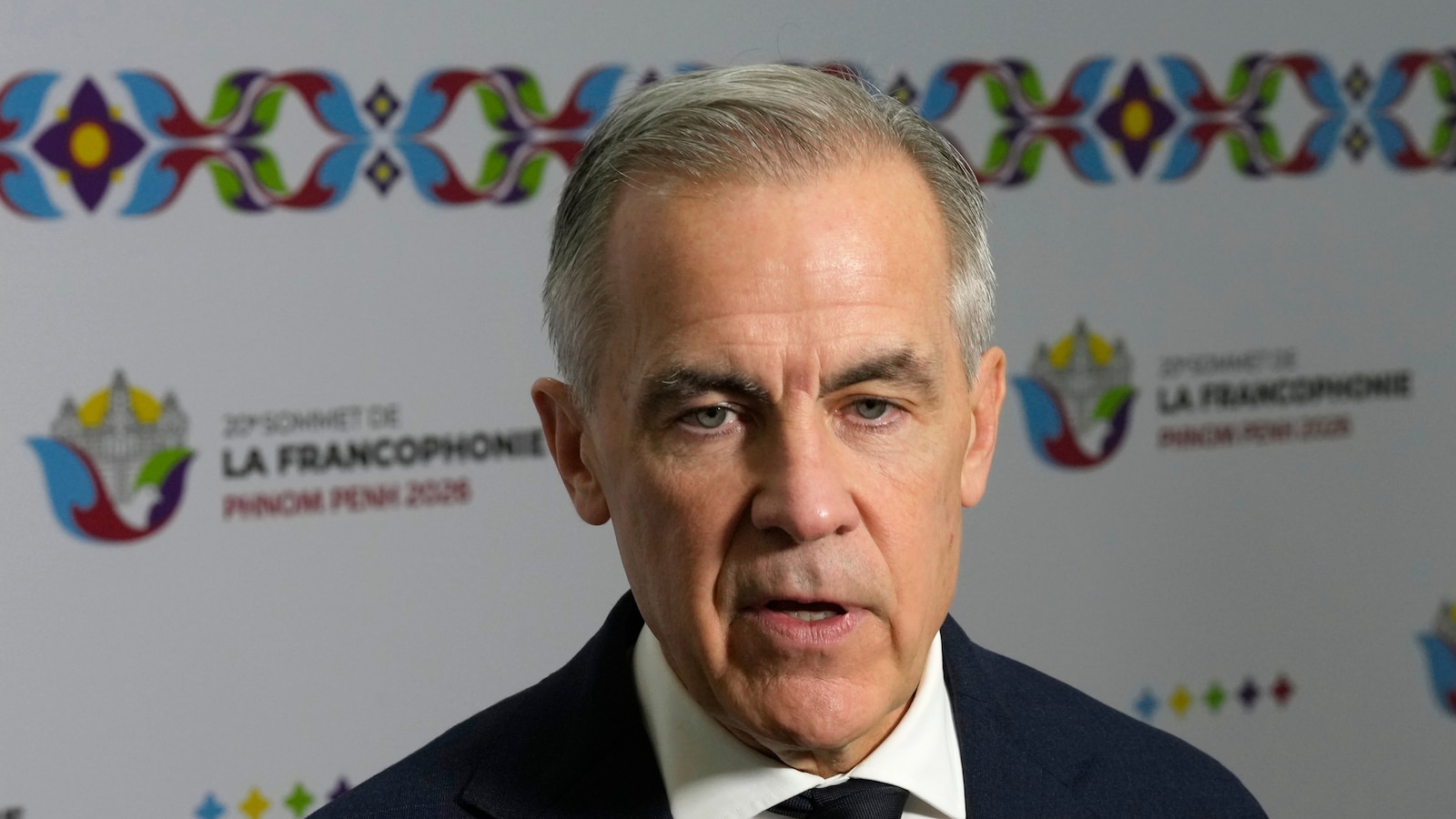
Canadian Prime Minister Mark Carney stated that Canada could turn to Chinese automakers if trade negotiations with U.S. President Donald Trump fail to preserve an integrated North American auto industry. Carney made these comments in Cambodia ahead of a planned meeting with Chinese President Xi Jinping in Shenzhen, China, where Chinese auto manufacturing was expected to be discussed. The two leaders reached an agreement in January allowing tens of thousands of Chinese electric vehicles into Canada at reduced tariffs (source ID 1). [1]
Carney noted that any Chinese investment would have to involve substantial manufacturing in Canada rather than simply assembling imported parts. He said it would require proper labor standards, manufacturing facilities, and domestic supply chains that expand over time, including Canadian critical minerals used in electric vehicles. Carney stated that he expected the January agreement to attract Chinese investment in Canada’s auto industry and create jobs (source ID 1). [1]
Canadian Prime Minister Mark Carney stated that Canada could consider Chinese automakers as an alternative if trade negotiations with the United States fail to preserve an integrated North American auto industry. This statement was made during a meeting in Cambodia ahead of a planned meeting with Chinese President Xi Jinping in Shenzhen, China, where discussions on Chinese auto manufacturing are expected. Carney emphasized that any Chinese investment would require substantial manufacturing in Canada rather than simply assembling imported parts (1). [1]
Carney noted that the current trade actions by the U.S. have led to a less integrated North American auto market, and that Canada must ensure its auto industry remains viable. He stated that negotiations with the United States remain his priority, but the outcome could influence whether Canada turns to other automakers, including those from Europe, China, or Japan (1). [1]
Advertisement
Carney clarified that potential Chinese investment is not a form of leverage in the U.S. negotiations but rather a response to the situation. He said that if Canadian auto workers and manufacturing assets are not fully utilized in a North American context, other opportunities would arise. Canada is prepared to move forward in any scenario (1). [1]
Canadian Prime Minister Mark Carney stated that Canada could turn to Chinese automakers if trade negotiations with the U.S. fail to preserve an integrated North American auto industry (Source ID: 1). Carney made these remarks in Cambodia, ahead of a planned meeting with Chinese President Xi Jinping in Shenzhen, where discussions on Chinese auto manufacturing are expected to take place. This comes after Canada and China reached an agreement in January that allows for the import of Chinese electric vehicles into Canada at reduced tariffs. Carney emphasized that Canada’s goal is to ensure its auto workers are fully utilized within an integrated North American market. [1]
Carney clarified that potential Chinese investment is not a form of leverage in U.S. trade negotiations but rather an outcome based on the results of those talks (Source ID: 1). He stated that any Chinese investment in Canada would require substantial manufacturing in the country rather than simply assembling imported parts. Carney emphasized the need for proper labor standards, manufacturing facilities, and domestic supply chains that expand over time, including the use of Canadian critical minerals in electric vehicles. This approach would ensure that the investment aligns with Canada’s economic and labor interests. [1]
The January agreement between Canada and China reduced the 100% tariff on Chinese electric vehicles to 6.1%, initially allowing up to 49,000 vehicles annually, with the cap increasing over time (Source ID: 1). In exchange, China agreed to lower tariffs on Canadian agricultural products, including canola. Carney stated at the time that he expected the agreement to attract Chinese investment in Canada’s auto industry and create jobs. However, the deal has drawn criticism from Ontario Premier Doug Ford, who warned that allowing Chinese electric vehicles into Canada could threaten Canadian jobs and jeopardize access to the U.S. market. [1]
Advertisement
Canadian Prime Minister Mark Carney stated that Canada could turn to Chinese automakers if trade negotiations with the United States fail to preserve an integrated North American auto industry (Source ID: 1). Carney made these remarks in Cambodia ahead of a meeting with Chinese President Xi Jinping in Shenzhen, where discussions on Chinese auto manufacturing were expected. The January agreement between Canada and China reduced the 100% tariff on Chinese electric vehicles to 6.1%, initially allowing up to 49,000 vehicles annually, with the cap increasing over time (Source ID: 1). [1]
Carney emphasized that any potential Chinese investment in Canada’s auto industry must involve substantial manufacturing within the country rather than simply assembling imported parts (Source ID: 1). He noted that such investment would require proper labor standards, manufacturing facilities, and domestic supply chains that expand over time, including the use of Canadian critical minerals in electric vehicles (Source ID: 1). [1]
Carney clarified that potential Chinese investment is not a form of leverage in U.S. negotiations but rather a response to the outcomes of those talks (Source ID: 1). He stated that if North American integration is not fully realized, Canada would pursue alternative opportunities involving Chinese, European, or Japanese automakers (Source ID: 1). [1]
Sources
Prepared with AI assistance from the cited sources.
The Cali Reporter newsletter
The stories worth your time.
California, the country, and what comes next. Join our free newsletter for reporting that keeps you informed.
More in U.S. News
- Nvidia CEO Returns to Denny's After Plaque Removal
Nvidia's CEO, Jensen Huang, has returned to the Denny's in San Jose, California, where the company was founded, following the temporary removal of a commemorative plaque.
- Taylor Frankie Paul Hints at Applying for Sam Hartman's 'Bachelor' Season
Taylor Frankie Paul, whose 'Bachelorette' season was canceled, is jokingly suggesting she may apply for Sam Hartman's upcoming 'Bachelor' season.
- Kentucky Couple's Dream Home Turns Into Snake-Infested Nightmare
A Kentucky couple's new home has become a snake-infested nightmare, with evidence suggesting the infestation may have been present for decades.