

California tightens datacenter rules on water and power
REG AD ai and ml Public pushback puts bit barn resource use under the microscope California Governor Gavin Newsom on Monday signed seven sta

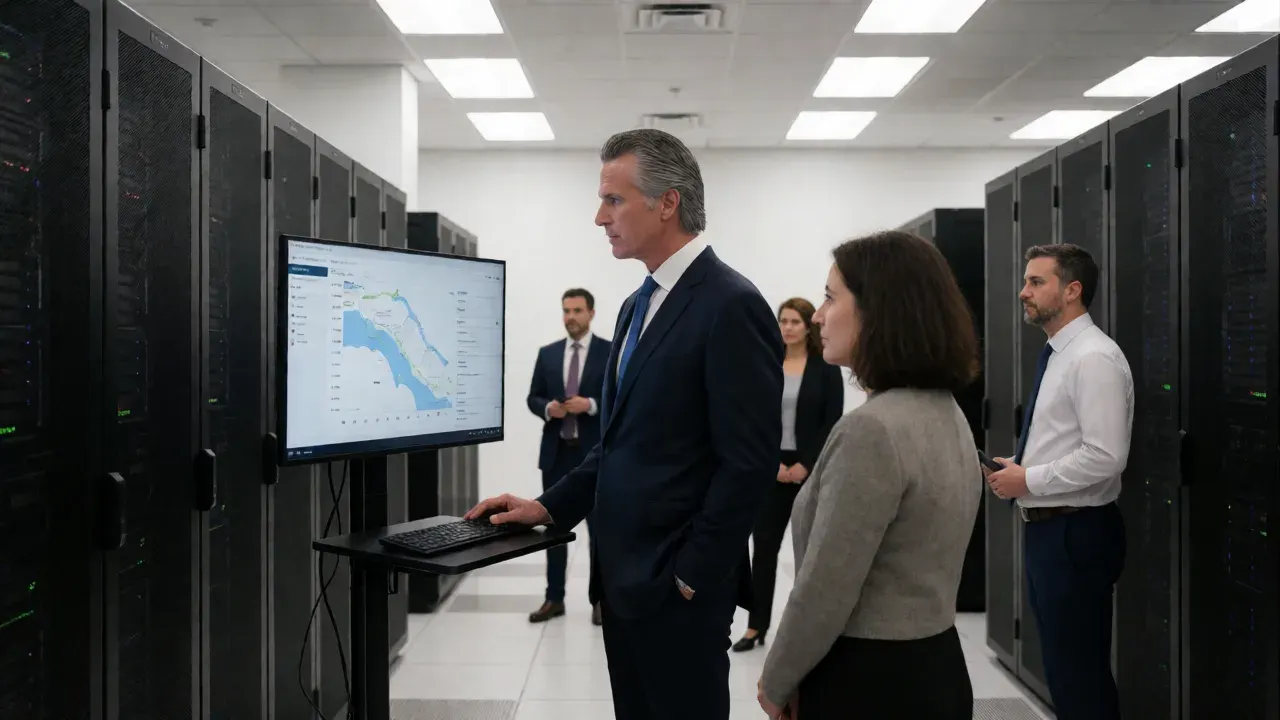
REG AD ai and ml Public pushback puts bit barn resource use under the microscope California Governor Gavin Newsom on Monday signed seven state bills that require datacenter operators to report more info about their operations, and to involve communities as they plan future facilities.The California Assembly Bills (AB) and Senate Bills (SB) signed by Newsom require greater disclosure of datacenter water and electricity use, address who pays for grid connections and other power infrastructure, and introduce rules covering electricity rates, water resources, and environmental review. They include:California state senator Steve Padilla, who authored two of the bills, said the bills will ensure that datacenters pay for energy grid connection, for electricity generation costs, and for a larger share of wildfire mitigation and liability costs.
REG AD The governor's office cited the Trump administration's dismissal of Americans' concerns about AI and datacenters to emphasize Newsom's willingness to constrain an industry of major significance to California's economy. REG AD "While the Trump administration moves toward deregulation, communities are left to deal with the consequences — higher electricity demand, grid constraints, water use, and pollution," said Newsom in a statement.
First reported by Theregister.com.
More in Business
- IMF Chief Warns of Economic Divergence and Debt Risks Amid Artificial Intelligence Boom
Kristalina Georgieva suggests that while AI could significantly boost global growth, it simultaneously threatens to widen inequality and exacerbate inflationary pressures and public debt burdens.
- California Limits Utility Profits and Expands Home Energy Role
Gov. Gavin Newsom signed laws capping utility returns on lower-risk projects and accelerating virtual power plant development.
- Lyft to Pay $272.5 Million in Record California Wage-Theft Settlement
Largest such settlement in state history resolves claims that Lyft misclassified drivers as independent contractors from 2016 to 2020, denying them core wage protections.