California Regulators Restrict Waymo's Freeway Operations
California's Department of Motor Vehicles has barred Waymo from operating its robotaxis on freeways due to repeated incidents involving construction zones and emergency vehicles.

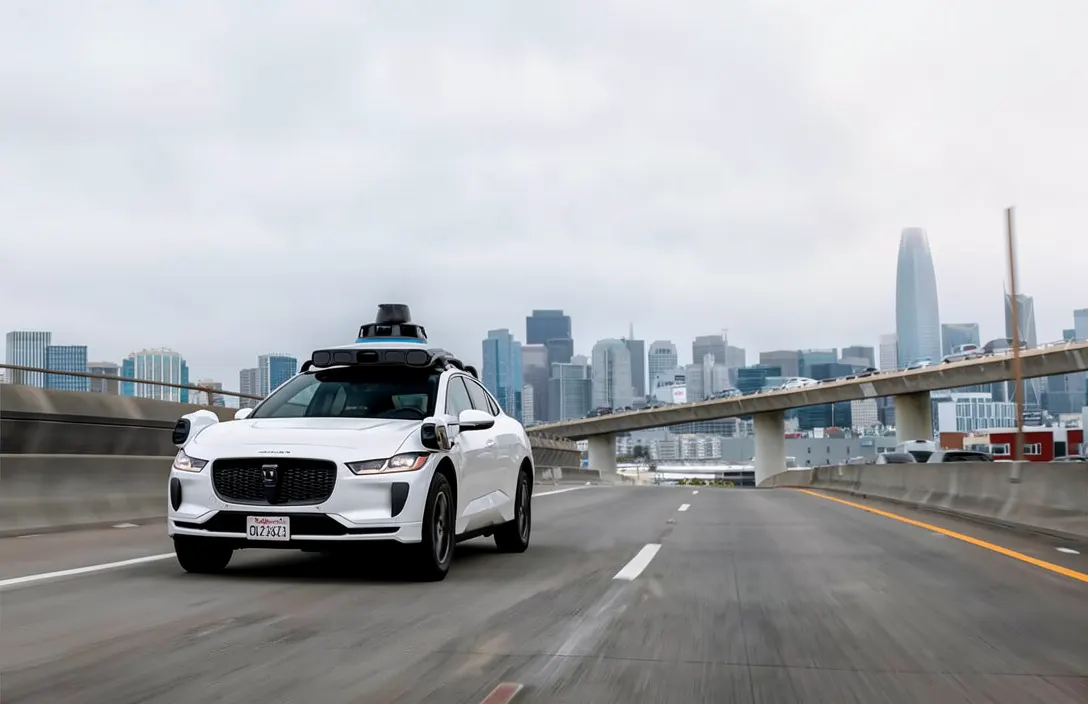
California regulators have barred Waymo from operating its robotaxis on any freeway, citing repeated incidents where the company's vehicles entered active construction zones and attempted to pass emergency vehicles (1). The Department of Motor Vehicles issued the order, restricting Waymo’s deployment of driverless vehicles to surface streets. The agency referenced an incident where three Waymo vehicles entered an active construction closure on Highway 101 near Burlingame and a viral incident in which a robotaxi tried to pass two California Highway Patrol cars on Interstate 280 in San Francisco (1). [1]
The DMV stated that Waymo’s freeway operations 'pose an imminent hazard to public safety' due to recurring incursions into zones where construction workers, vehicles, and equipment are present (1). These incidents continued despite prior restrictions and corrective actions, according to the DMV. The restrictions prevent Waymo from conducting driverless tests on freeways until the company demonstrates effective corrective actions to ensure safety (1). [1]
Waymo has temporarily restricted freeway operations across the country while reviewing performance, according to a company spokesperson (1). The company emphasized that its ride-hailing service continues on surface streets, providing more than half a million trips each week. Waymo is working with the DMV and other officials to resume freeway operations (1). [1]
California regulators have barred Waymo from operating its robotaxis on any freeway, citing repeated incidents where the company's vehicles entered active construction zones and attempted to pass emergency vehicles (1). The Department of Motor Vehicles issued the order, restricting Waymo’s deployment of driverless vehicles to surface streets. The agency cited an incident in which three Waymo vehicles entered an active construction closure on Highway 101 near Burlingame and a viral incident this month in which a robotaxi tried passing two California Highway Patrol cars with flashing lights on Interstate 280 in San Francisco (1). [1]
Advertisement
The I-280 episode drew attention as patrol cars blocked the Waymo that appeared to ignore their attempts to slow traffic on the freeway. Waymo’s freeway operations 'pose an imminent hazard to public safety' because of recurring incursions into zones where construction workers, vehicles, and equipment are present, the DMV said. The incursions in work zones continued despite a restriction and corrective actions after similar incidents May 18, the DMV said (1). [1]
The restrictions prevent Waymo from conducting driverless tests on freeways. The restrictions will stay in place until Waymo shows the department it has taken effective corrective actions, the DMV said. Before freeway service can resume, the company must provide evidence that its robotaxis can safely detect and respond to construction zones, emergency vehicles, and other roadway situations (1). [1]
California regulators have barred Waymo from operating its robotaxis on any freeway, citing repeated incidents where the company's vehicles entered active construction zones and attempted to pass emergency vehicles (1). The Department of Motor Vehicles (DMV) issued the order, restricting Waymo’s deployment of driverless vehicles to surface streets. The agency cited an incident in which three Waymo vehicles entered an active construction closure on Highway 101 near Burlingame and a viral incident this month in which a robotaxi tried passing two California Highway Patrol cars with flashing lights on Interstate 280 in San Francisco (1). [1]
The I-280 episode drew attention as patrol cars blocked the Waymo that appeared to ignore their attempts to slow traffic on the freeway (1). Waymo’s freeway operations 'pose an imminent hazard to public safety' because of recurring incursions into zones where construction workers, vehicles, and equipment are present, the DMV said (1). The incursions in work zones continued despite a restriction and corrective actions after similar incidents May 18, the DMV said (1). [1]
Advertisement
The restrictions prevent Waymo from conducting driverless tests on freeways (1). The restrictions will stay in place until Waymo shows the department it has taken effective corrective actions, the DMV said (1). Before freeway service can resume, the company must provide evidence that its robotaxis can safely detect and respond to construction zones, emergency vehicles, and other roadway situations (1). [1]
California regulators have barred Waymo from operating its robotaxis on any freeway, citing repeated incidents where the company's vehicles entered active construction zones and attempted to pass emergency vehicles (1). The Department of Motor Vehicles issued the order, restricting Waymo’s deployment of driverless vehicles to surface streets. The agency cited an incident in which three Waymo vehicles entered an active construction closure on Highway 101 near Burlingame and a viral incident this month in which a robotaxi tried passing two California Highway Patrol cars with flashing lights on Interstate 280 in San Francisco (1). [1]
The I-280 episode drew attention as patrol cars blocked the Waymo that appeared to ignore their attempts to slow traffic on the freeway (1). Waymo’s freeway operations 'pose an imminent hazard to public safety' because of recurring incursions into zones where construction workers, vehicles, and equipment are present, the DMV said (1). The incursions in work zones continued despite a restriction and corrective actions after similar incidents May 18, the DMV said (1). [1]
The restrictions prevent Waymo from conducting driverless tests on freeways (1). The news was first reported by the SF Chronicle (opens in new tab). The restrictions will stay in place until Waymo shows the department it has taken effective corrective actions, the DMV said (1). Before freeway service can resume, the company must provide evidence that its robotaxis can safely detect and respond to construction zones, emergency vehicles, and other roadway situations (1). [1]
Advertisement
The Cali Reporter newsletter
The stories worth your time.
California, the country, and what comes next. Join our free newsletter for reporting that keeps you informed.
More in San Francisco
- United Airlines Offers Flight Change Waivers Ahead of Storm at SFO
United Airlines has announced a waiver of flight-change fees for passengers affected by an incoming storm and potential flooding at San Francisco International Airport.
- Brandon Aiyuk Released by 49ers, Likely to Become Free Agent
The San Francisco 49ers have released wide receiver Brandon Aiyuk, who is expected to become a free agent after filing for reinstatement and passing a physical.
- Nvidia CEO Reinstated Amid National Security Concerns
Nvidia's board reinstated Jensen Huang as CEO following intervention from President Donald Trump, amid ongoing investigations into potential export control violations and national security risks.