California Approves $11.25 Billion Bond for Housing Affordability
California voters approved Proposition 1, authorizing $11.25 billion in state general obligation bonds for housing affordability programs, including multifamily rental housing, mortgages for veterans, and preservation…

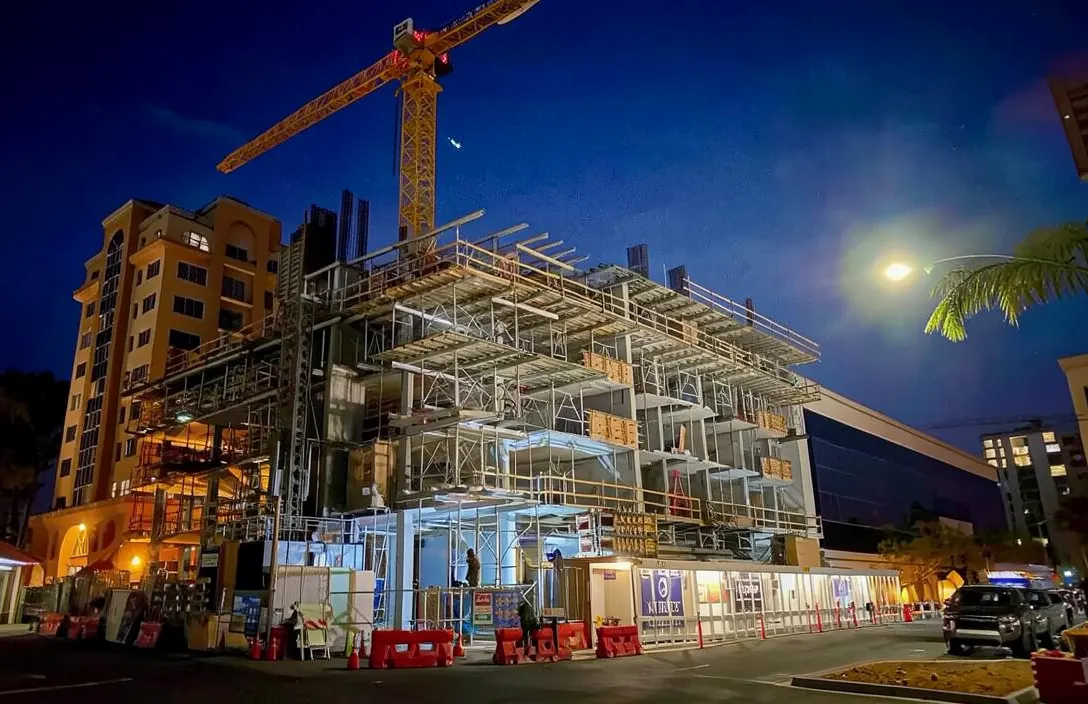

The California legislature passed Prop 1, authorizing $11.25 billion in bonds to fund housing affordability programs, including multifamily rental housing, mortgages for veterans, supportive housing, and downpayment assistance (source ID: 2). Assembly Speaker Robert Rivas (D-Hollister) emphasized the importance of focusing on affordability, stating that the bond would help get shovels in the ground on already approved projects (source ID: 1). Assemblymember Matt Haney (D-San Francisco), Chair of the Assembly Housing and Community Development Committee, noted that the bond is crucial given the current lack of private housing development due to factors like market conditions and interest rates (source ID: 1). [1] [2]
To facilitate housing development, the legislature passed AB 2074, signed by Gov. Gavin Newsom, which allows for the establishment of regional transit hubs in major cities to streamline the approval process for residential and mixed-use projects (source ID: 1). Assemblymember Buffy Wicks (D-Oakland), who chairs the Select Committee on Housing Construction Innovation, highlighted the importance of innovative construction models to reduce housing costs. Her committee proposed six bills, but Gov. Newsom vetoed half of them, including AB 2166, which would have provided a financial backstop for factory-built housing projects (source ID: 1). [1]
The bond, however, comes with a fiscal impact of approximately $500 million to $600 million annually for about 25 years to repay the housing bond (source ID: 2). Supporters of Prop 1, including organizations such as US Vets and the California Federation of Teachers, argue that the measure will help build affordable homes for veterans, seniors, and low- and middle-income families (source ID: 2). Opponents have not submitted arguments against the measure, and the bond is expected to provide long-term funding for housing affordability programs (source ID: 2). [1] [2]
The California legislature passed Prop 1, authorizing $11.25 billion in bonds to fund housing affordability programs, including multifamily rental housing, mortgages for veterans, supportive housing, and downpayment assistance (source ID: 2). This measure was designed to address the significant shortage of affordable housing in the state and to provide assistance to vulnerable populations such as veterans, seniors, and low- and middle-income working families. The bond is intended to support the development of new housing and the preservation of existing affordable housing, with a focus on making homeownership more accessible for Californians. Supporters of the measure argue that it will help expand homeownership opportunities and fast-track the construction of affordable homes, while ensuring strict fiscal accountability and public oversight without imposing new taxes (source ID: 2). [2]
Advertisement
To facilitate housing development, the legislature passed AB 2074, signed by Gov. Gavin Newsom, which aims to streamline the approval process for housing developers by allowing the construction of residential and mixed-use projects near transit hubs (source ID: 1). This bill, along with others such as AB 1751 and AB 1842, is part of a broader legislative effort to make it easier and faster to build housing in California. Assemblymember Matt Haney, Chair of the Assembly Housing and Community Development Committee, emphasized the importance of this legislation in addressing the current housing shortage and the challenges posed by high interest rates and other market factors (source ID: 1). [1]
While the passage of these bills has been seen as a significant step forward in housing policy, concerns remain about the fiscal implications of the $11.25 billion bond. According to the legislative summary, the bond will result in an increased state cost of $500 million to $600 million annually for about 25 years to repay the housing bond (source ID: 2). Critics, such as Jason Rhine of the League of California Cities, argue that the state would be better off investing this money annually in perpetuity rather than paying debt service. Despite these concerns, the legislature has emphasized the need for immediate action to address the housing crisis and has passed a number of bills aimed at streamlining the housing development process (source ID: 1). [1] [2]
The California legislature passed Prop 1, authorizing $11.25 billion in bonds to fund housing affordability programs, including multifamily rental housing, mortgages for veterans, supportive housing, and downpayment assistance (source ID: 2). The bond aims to address the state's housing shortage and provide affordable housing options for vulnerable populations. Assemblymember Matt Haney (D-San Francisco), Chair of the Assembly Housing and Community Development Committee, emphasized the importance of this bond in facilitating housing development, particularly in areas with existing transit infrastructure (source ID: 1). [2] [1]
To facilitate housing development, the legislature passed AB 2074, signed by Gov. Gavin Newsom, which allows major cities to establish regional transit hubs to streamline the approval process for residential and mixed-use projects (source ID: 1). This legislation is part of a broader effort to make it easier to build housing in all corners of the state, as highlighted by Assembly Speaker Robert Rivas (D-Hollister) (source ID: 1). [1]
Advertisement
The bond, however, comes with a fiscal impact of approximately $500 million to $600 million annually for about 25 years to repay the housing bond (source ID: 2). While the passage of these bills has been seen as a significant step forward in housing policy, concerns remain about the long-term financial implications of the $11.25 billion bond (source ID: 2). [2]
Sources
Prepared with AI assistance from the cited sources.
The Cali Reporter newsletter
The stories worth your time.
California, the country, and what comes next. Join our free newsletter for reporting that keeps you informed.
More in Stockton
- Hmong New Year Celebrations in Stockton Reflect Cultural Evolution and Shifts in Tradition
The Hmong New Year celebration in Stockton, California, continued its long-standing tradition in November 2026, showcasing both the enduring cultural heritage of the Hmong community and the evolving nature of its…
- Hmong New Year Celebration Returns to Stockton
The Stockton Hmong New Year celebration is set to return to the San Joaquin County Fairgrounds for two days of cultural performances and community traditions.
- California's Proposed Single-Payer Homeowners Insurance Plan
California's newly elected Insurance Commissioner Jane Kim has proposed a single-payer homeowners insurance program aimed at addressing rising wildfire risks and ensuring fair compensation for homeowners.