

$10 Million Fuels the Battle Against California Wildfires: Inside CAL FIRE's New 17 Project Strategy
New funding aims to boost workforce capacity and reduce wildfire risk across the state.

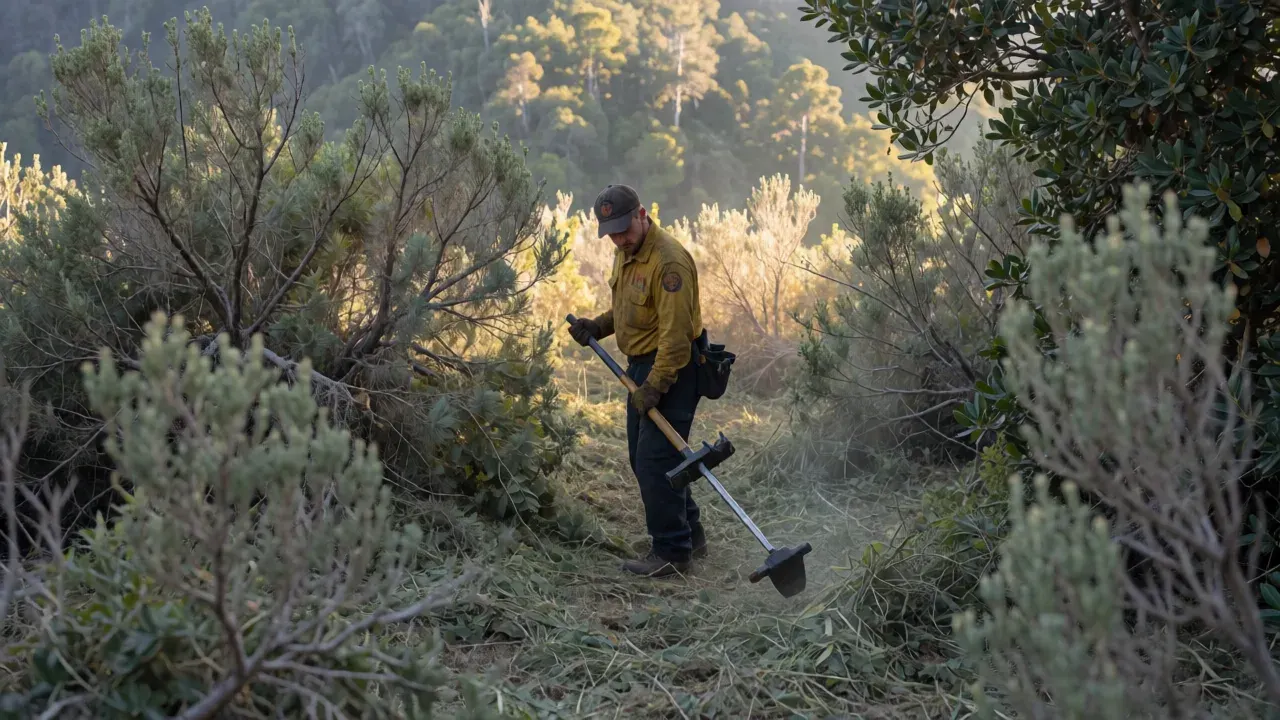
The smell of smoke clings to the canyon walls even after the sun goes down. The crackle of a distant fire can be heard when the wind shifts. These are the sensory details that remind us why this work matters. CAL FIRE understands the urgency. The agency has launched a new initiative pouring $10 million into 17 forestry workforce projects. This funding round is specifically designed to boost forest sector capacity. It aims to fund education and training for those interested in forestry careers. It also pays for the heavy equipment needed to clear hazardous vegetation. This is a direct response to the growing threat of wildfires.
This cycle is part of a larger history of investment. The Business and Workforce Development Grant Program has supported 131 projects over five years. Total support provided by the agency is $129 million. State officials state that these investments support the health and resilience of California's forests. They also want to build the skills needed to reduce wildfire risk. The money pays for education, training, and tools. It expands certification opportunities for prescribed fire work. The agency knows that a skilled workforce is the first line of defense against apocalyptic flames.
The financial backing is substantial. Before this recent cycle, CAL FIRE's Wood Products and Bioenergy Program had awarded more than $105 million to over 105 business and workforce projects statewide since 2022. Local examples highlight the tangible results on the ground. In Trinity County, grant funding helped Hayfork High School begin construction on a sawmill. The California Farm Bureau reported that this project intends to spark interest in forestry. Many Northern California sawmills have shuttered over past decades. This funding brings the industry back to life in these communities.

All of this effort feeds into a massive strategic target. California has set a goal of treating 1 million acres annually by 2025. This is according to the Office of Governor Gavin Newsom. A related state strategy sets a target of expanding prescribed fire and cultural burning to 400,000 acres annually. The challenges are significant. There are time-sensitive cone collection issues and limited climber services. CAL FIRE's seed inventory is roughly 45,000 pounds. Seed shortages and collection challenges persist. These logistical hurdles require the financial fuel provided by these grants.
The sources of this money are specific. The grants are funded through California Climate Investments. This includes cap-and-invest dollars, according to the California Grants Portal. The program aims to reduce emissions while supporting the economy. It also targets disadvantaged communities. The rules vary by project size. Business development proposals seeking more than $500,000 require a match of up to 200%. Workforce development projects under $500,000 require no match. This tiered system allows for flexibility in how the state tackles the climate crisis.
The workforce push is not happening in isolation. It is connected to the broader infrastructure of wood products. Grant funding has supported wood-products infrastructure and business-development projects. The ultimate goal is turning forest waste into fuel. Hoodline previously reported on $70M in fire-line grants aimed at local governments and fire-safe councils. This shows a comprehensive approach to fire mitigation. It is about more than just labor. It is about creating a sustainable ecosystem for forest management in California.
First reported by Hoodline.
More in California
- UC Berkeley Lab Proposes New Civic Framework for California’s Next Governor
A research-driven agenda calls for institutionalizing 'co-governance' to address low public trust and lack of resident influence in state decision-making.
- Five Tax Measures on California’s Ballot Aim to Reshape State Finances
Propositions 3, 40–43 would alter income, wealth and local taxation rules—marking the highest number of tax measures on a general election ballot since 1994.
- Catalina Helicopter Crash Highlights Risks of Island Medevac Flights
A medical evacuation chopper carrying Catalina Romero, pilot, and nurse Jessica Devries crashed into the ocean shortly after takeoff, killing all three; federal investigators are assessing causes including night flying, spatial disorientation, and the island’s challenging Pebbly Beach heliport.