Brazil's Lula Faces Economic and Political Challenges in New Term
Brazilian President Luiz Inácio Lula da Silva's re-election brings a host of economic and political challenges, including investor concerns, legislative opposition, and international tensions.

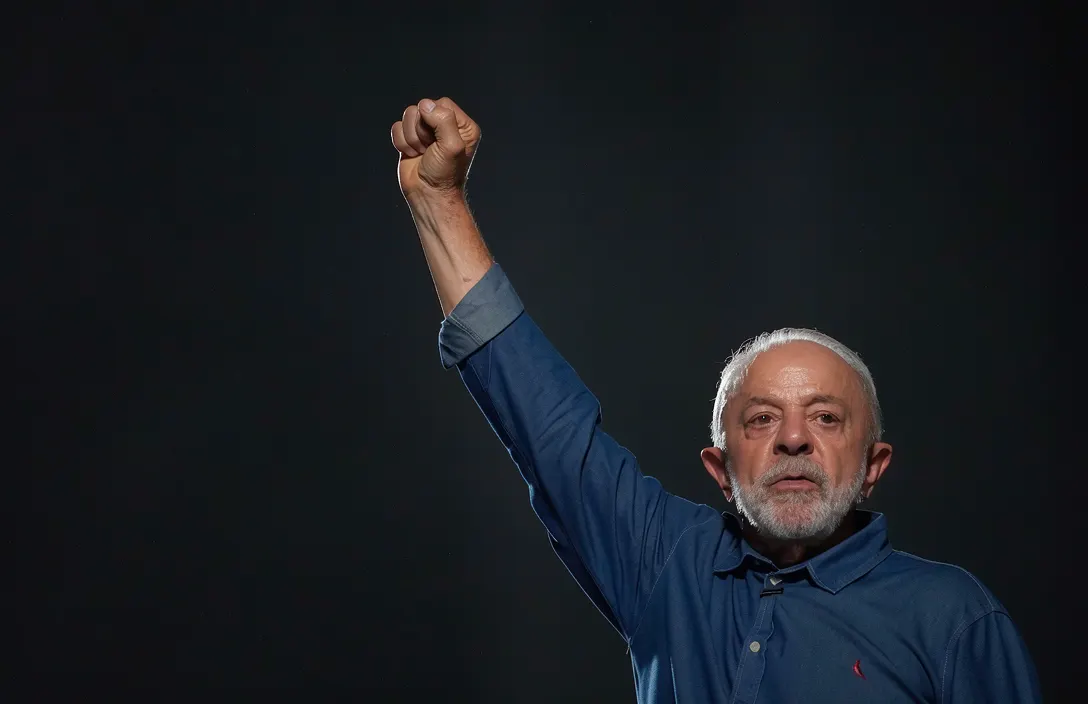
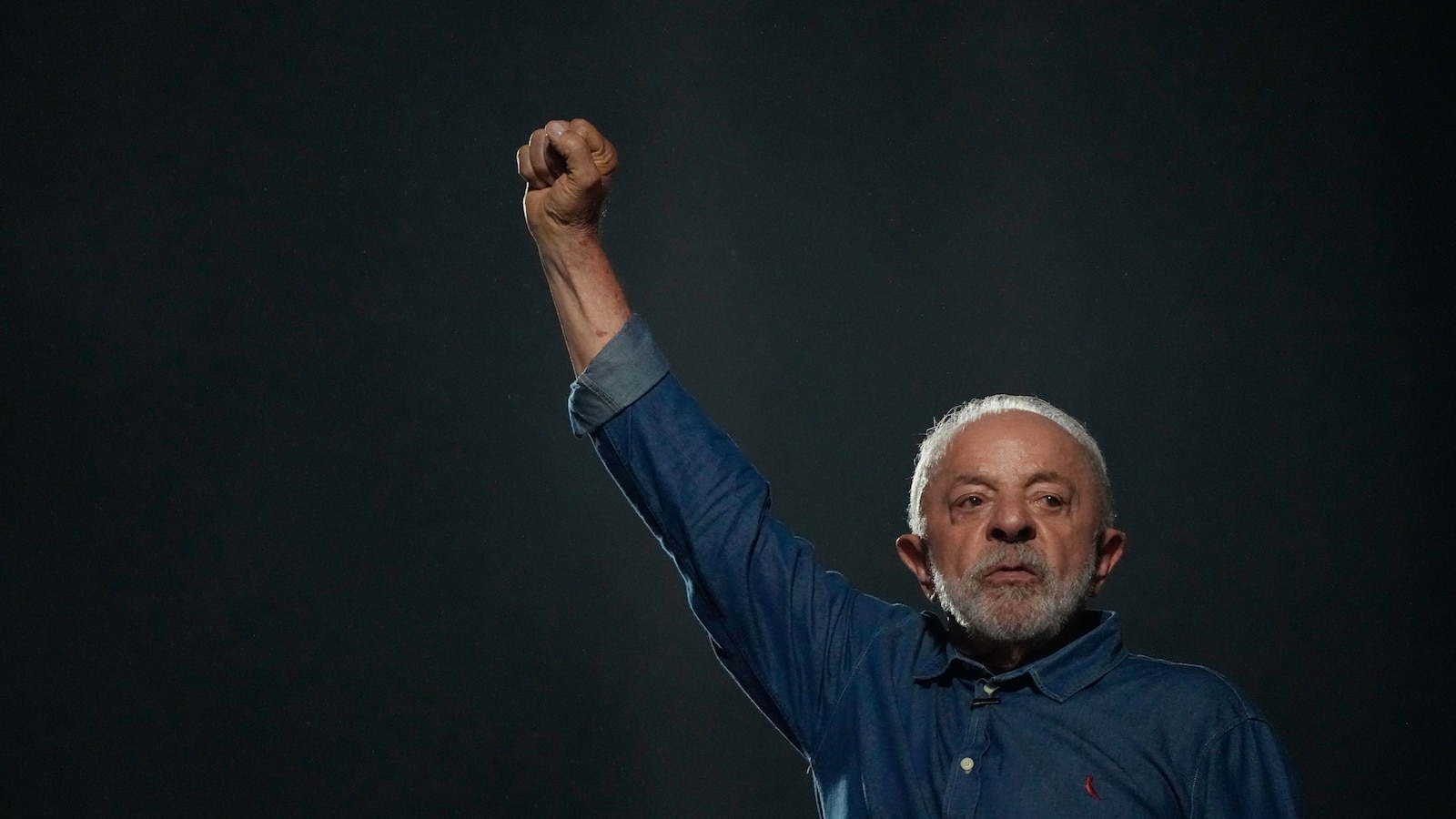
Brazilian President Luiz Inácio Lula da Silva won a surprise reelection victory in late October, but he faces a multitude of challenges on issues ranging from the economy and public security to relations with the United States (Source ID: 1). While Lula ultimately bested challenger Flávio Bolsonaro by 4.4 million votes after trailing him in the first round, the country remains deeply divided and many voters expressed dissatisfaction with the leftist president's most recent term, which began in 2023 (Source ID: 1). [1]
Investors who had counted on Bolsonaro winning the election after the far-right candidate received more votes than Lula on Oct. 4 did not react well to his loss. Brazil’s currency, the real, dropped by 12% against the dollar the day after the election, while the stock market tumbled nearly 14% and has not rebounded since (Source ID: 1). Investors believed a Bolsonaro victory would rein in government spending and are concerned about Lula’s future fiscal policy (Source ID: 1). [1]
Lula’s government recently unveiled plans to save up to 60 billion reais ($10.6 billion) in public funds through curbs on tax breaks and spending caps — a proposal that is currently moving through Congress (Source ID: 1). During Lula’s third term, Brazil’s public debt grew from around 7.2 trillion reais ($1.3 trillion) in 2022 to 11.1 trillion reais ($2 trillion) this year, which analysts say spurred inflation and contributed to high interest rates ultimately remaining unchanged from 13.75% (Source ID: 1). [1]
Lula will face a Congress that shifted further to the right in October's legislative elections. Bolsonaro’s Liberal Party secured the largest blocs in both houses, gaining an extra 23 seats in the lower house and nearly doubling its Senate seats, mostly at the expense of centrist parties (Source ID: 1). Despite Bolsonaro’s departure for Miami, his party will remain a force to be reckoned with, retaining instruments to block governmental proposals and even challenge judicial authorities (Source ID: 1). [1]
Advertisement
Brazilian President Luiz Inácio Lula da Silva won a surprise reelection victory in late October, but he faces a multitude of challenges on issues ranging from the economy and public security to relations with the United States (Source ID: 1). Investors who had counted on Bolsonaro winning the election after the far-right candidate received more votes than Lula on Oct. 4. Markets did not react well to his loss. Brazil’s currency, the real, dropped by 12% against the dollar the day after the election, while the stock market tumbled nearly 14% and has not rebounded since (Source ID: 1). [1]
Lula’s government recently unveiled plans to save up to 60 billion reais ($10.6 billion) in public funds through curbs on tax breaks and spending caps — a proposal that is currently moving through Congress (Source ID: 1). During Lula’s third term, Brazil’s public debt grew from around 7.2 trillion reais ($1.3 trillion) in 2022 to 11.1 trillion reais ($2 trillion) this year, which analysts say spurred inflation and contributed to high interest rates ultimately remaining unchanged from 13.75% despite variations over the course of the term (Source ID: 1). [1]
Lula will face a Congress that shifted further to the right in October's legislative elections. Bolsonaro’s Liberal Party secured the largest blocs in both houses, gaining an extra 23 seats in the lower house and nearly doubling its Senate seats, mostly at the expense of centrist parties (Source ID: 1). Despite Bolsonaro’s departure for Miami, his party will remain a force to be reckoned with, retaining instruments to block governmental proposals and even challenge judicial authorities (Source ID: 1). [1]
Brazilian President Luiz Inácio Lula da Silva won a surprise reelection victory in late October, but he faces a multitude of challenges on issues ranging from the economy and public security to relations with the United States (Source ID: 1). Investors who had counted on Bolsonaro winning the election after the far-right candidate received more votes than Lula on Oct. 4 did not react well to his loss. Brazil’s currency, the real, dropped by 12% against the dollar the day after the election, while the stock market tumbled nearly 14% and has not rebounded since (Source ID: 1). [1]
Advertisement
Lula’s government recently unveiled plans to save up to 60 billion reais ($10.6 billion) in public funds through curbs on tax breaks and spending caps — a proposal that is currently moving through Congress (Source ID: 1). During Lula’s third term, Brazil’s public debt grew from around 7.2 trillion reais ($1.3 trillion) in 2022 to 11.1 trillion reais ($2 trillion) this year, which analysts say spurred inflation and contributed to high interest rates ultimately remaining unchanged from 13.75% despite variations over the course of the term (Source ID: 1). [1]
Lula will face a Congress that shifted further to the right in October's legislative elections. Bolsonaro’s Liberal Party secured the largest blocs in both houses, gaining an extra 23 seats in the lower house and nearly doubling its Senate seats, mostly at the expense of centrist parties (Source ID: 1). Despite Bolsonaro’s departure for Miami, his party will remain a force to be reckoned with, retaining instruments to block governmental proposals and even challenge judicial authorities (Source ID: 1). [1]
Brazilian President Luiz Inácio Lula da Silva’s recent reelection has raised questions about his ability to manage economic challenges, particularly in light of investor concerns and a shifting political landscape (Source ID: 1). Lula’s government has proposed measures to save up to 60 billion reais ($10.6 billion) in public funds through spending caps and tax break reductions, but these proposals are currently under review in Congress. Investors who had anticipated a Bolsonaro victory are now wary of Lula’s fiscal policies, with some analysts warning that his government’s commitment to maintaining spending levels may conflict with long-term economic stability. [1]
Lula’s administration faces a Congress that has shifted further to the right, with Bolsonaro’s Liberal Party securing significant gains in both legislative chambers (Source ID: 1). This shift has empowered lawmakers who are likely to challenge Lula’s agenda, including efforts to impeach Supreme Court Justice Alexandre de Moraes. The political climate remains tense, with Bolsonaro’s allies in Congress vowing to resist what they see as overreach by the judiciary and the executive branch. Their influence could complicate Lula’s legislative priorities, particularly in areas such as economic reform and public security. [1]
Advertisement
International relations will also be a critical area of focus for Lula’s government, as Brazil navigates its position between the United States and China (Source ID: 1). Relations with the U.S. have been strained due to Trump-era tariffs, while ties with China have deepened, drawing criticism from Washington. Analysts suggest that the recent Democratic gains in the U.S. midterm elections may lead to increased pressure on the Trump administration to reduce tariffs on Brazilian exports. However, Bolsonaro’s family and allies in the U.S. are expected to continue lobbying against Lula’s policies, adding another layer of complexity to Brazil’s foreign relations. [1]
Sources
Prepared with AI assistance from the cited sources.
The Cali Reporter newsletter
The stories worth your time.
California, the country, and what comes next. Join our free newsletter for reporting that keeps you informed.
More in U.S. News
- Nvidia CEO Returns to Denny's After Plaque Removal
Nvidia's CEO, Jensen Huang, has returned to the Denny's in San Jose, California, where the company was founded, following the temporary removal of a commemorative plaque.
- Taylor Frankie Paul Hints at Applying for Sam Hartman's 'Bachelor' Season
Taylor Frankie Paul, whose 'Bachelorette' season was canceled, is jokingly suggesting she may apply for Sam Hartman's upcoming 'Bachelor' season.
- Kentucky Couple's Dream Home Turns Into Snake-Infested Nightmare
A Kentucky couple's new home has become a snake-infested nightmare, with evidence suggesting the infestation may have been present for decades.