Blockstream Launches New Institutional Bitcoin Custody Solution
Blockstream, in collaboration with Thales, has introduced a new custody system aimed at enhancing Bitcoin security through simpler, offline protocols.

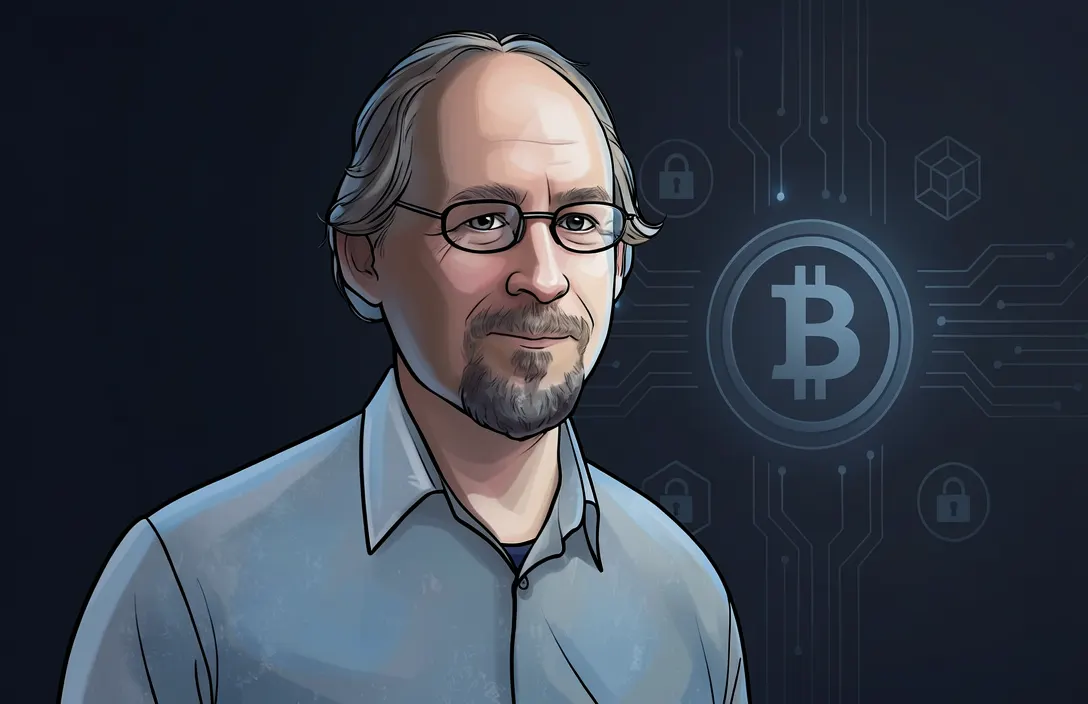
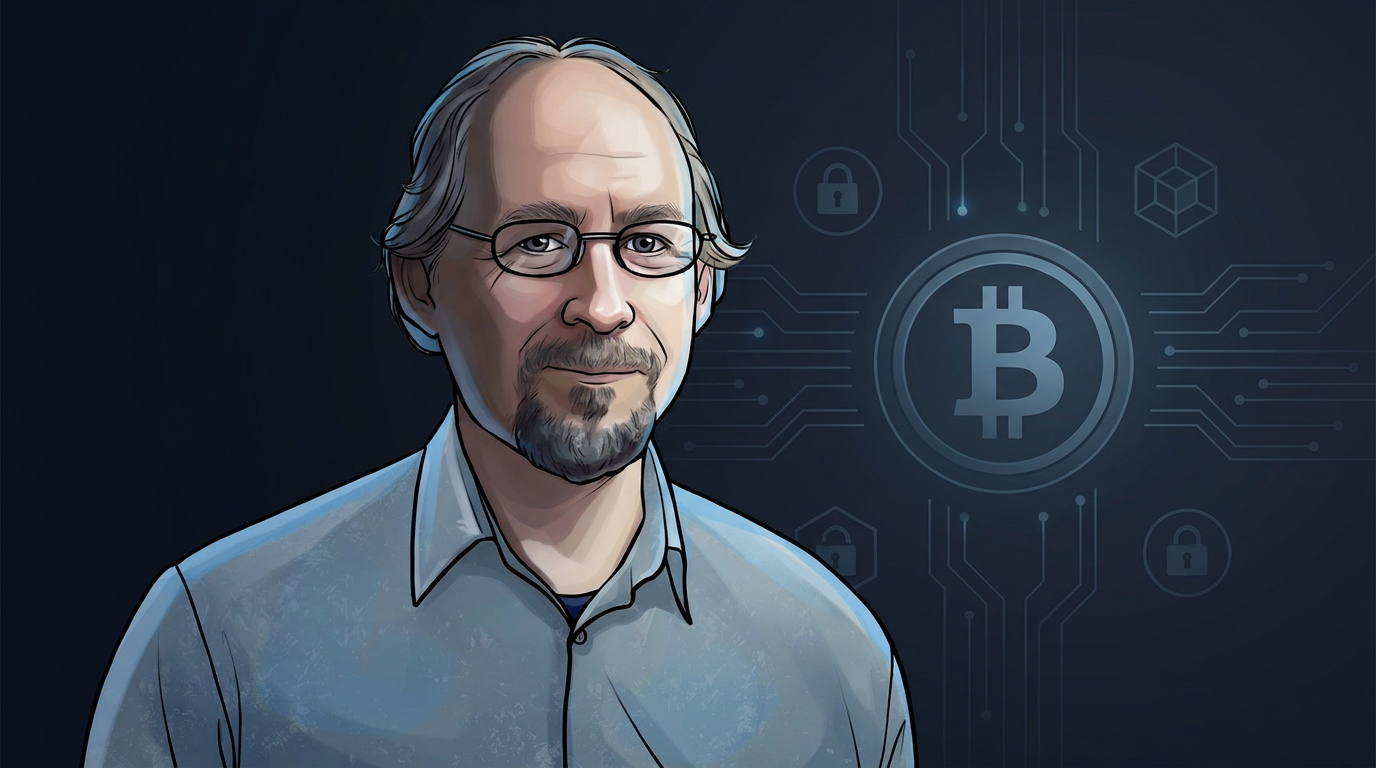
Blockstream, a Bitcoin infrastructure company founded by Adam Back, has unveiled a new institutional digital asset custody solution in partnership with French technology group Thales. The system combines Thales’ hardware security modules (HSMs) with Blockstream’s Secure Multi-Party Computation (Secure-MPC) technology to allow institutions to authorize transactions while keeping cryptographic operations within dedicated security hardware (1). [1]
Unlike conventional MPC implementations, Blockstream’s architecture executes the entire signing protocol within the protected environment of Thales’ HSMs. Adam Back, Blockstream’s co-founder and CEO, stated that conventional MPC protocols are often too complex and require too much communication between devices to be practical for fully offline cold storage (1). [1]
Back highlighted the Binance $6.3 billion hack as an example of the risks associated with internet-connected custody infrastructure. He argued that keeping signing devices offline can help prevent unauthorized access. According to Binance’s investigation, attackers compromised employee devices and obtained credentials that allowed them to access the exchange’s wallet-signing infrastructure (1). [1]
Back also noted that AI could make existing security challenges more difficult to manage by helping attackers discover subtle flaws in complex MPC implementations. He emphasized that institutions should adapt to the environment by moving assets into cold storage to reduce exposure to potential AI-assisted attacks (1). [1]
Advertisement
Blockstream, a Bitcoin infrastructure company founded by Adam Back, has unveiled a new institutional digital asset custody solution in partnership with French technology group Thales (1). The solution combines Thales’ hardware security modules (HSMs) with Blockstream’s Secure Multi-Party Computation (Secure-MPC) technology, allowing institutions to authorize transactions while keeping sensitive cryptographic operations within dedicated security hardware (1). This approach ensures that the entire signing protocol is executed within the protected environment of Thales’ HSMs, unlike conventional MPC implementations that may perform parts of the signing process outside of such secure hardware (1). [1]
Blockstream co-founder and CEO Adam Back emphasized that conventional MPC protocols are often too complex and require too much communication between devices to be practical for fully offline cold storage (1). He cited the Binance $6.3 billion hack as an example of the risks associated with internet-connected custody infrastructure, arguing that keeping signing devices offline can help prevent unauthorized access (1). According to Binance’s investigation, attackers compromised employee devices and obtained credentials that allowed them to access the exchange’s wallet-signing infrastructure (1). [1]
Back also highlighted the potential for AI to complicate existing security challenges by helping attackers discover subtle flaws in complex MPC implementations (1). He noted that AI could assist attackers in identifying small implementation errors that may not be obvious (1). When asked about the broader custody industry adopting similar offline security models, Back expressed hope that institutions would move assets into cold storage to reduce exposure to potential AI-assisted attacks (1). [1]
Blockstream, a Bitcoin infrastructure company founded by Adam Back, has unveiled a new institutional digital asset custody solution in partnership with French technology group Thales (1). The solution combines Thales’ hardware security modules (HSMs) with Blockstream’s Secure Multi-Party Computation (Secure-MPC) technology, allowing institutions to authorize transactions while keeping sensitive cryptographic operations within dedicated security hardware (1). [1]
Advertisement
Blockstream co-founder and CEO Adam Back emphasized that conventional MPC protocols are often too complex and require too much communication between devices to be practical for fully offline cold storage (1). He pointed to the Binance $6.3 billion hack as an example of the risks facing internet-connected custody infrastructure, arguing that keeping signing devices offline can help prevent unauthorized access (1). [1]
According to Binance’s investigation, attackers compromised employee devices and obtained credentials that allowed them to access the exchange’s wallet-signing infrastructure (1). If you connect equipment to the internet, even if it’s via firewalls and so on, there is risk that you can get unauthorized access. You can get hackers into the network, get hackers with access to logins they shouldn’t have and so on (1). [1]
Blockstream, a Bitcoin infrastructure company founded by Adam Back, has unveiled a new institutional digital asset custody solution in partnership with French technology group Thales (1). The solution combines Thales’ hardware security modules (HSMs) with Blockstream’s Secure Multi-Party Computation (Secure-MPC) technology, allowing institutions to authorize transactions while keeping sensitive cryptographic operations within dedicated security hardware (1). [1]
Blockstream co-founder and CEO Adam Back emphasized that conventional MPC protocols are often too complex and require too much communication between devices to be practical for fully offline cold storage (1). He noted that these protocols are difficult to secure and are very interactive, which makes them unsuitable for cold storage environments (1). [1]
Advertisement
Back highlighted the Binance $6.3 billion hack as an example of the risks associated with internet-connected custody infrastructure (1). He argued that keeping signing devices offline can help prevent unauthorized access, as connecting equipment to the internet, even with firewalls, introduces risks such as hackers gaining access to logins they shouldn’t have (1). [1]
Back also mentioned that AI could make existing security challenges more difficult to manage by helping attackers discover subtle flaws in complex MPC implementations (1). He suggested that institutions should adapt to the environment by moving assets into cold storage to reduce exposure to potential AI-assisted attacks (1). [1]
Sources
Prepared with AI assistance from the cited sources.
The Cali Reporter newsletter
The stories worth your time.
California, the country, and what comes next. Join our free newsletter for reporting that keeps you informed.
More in Business
- Nvidia CEO Resignation Sparks Market Volatility
The sudden resignation of Nvidia CEO Jensen Huang has triggered significant market reactions, with both the company’s stock and Bitcoin experiencing notable declines.
- Nvidia CEO Resignation Highlights Leadership and Governance Challenges
The resignation of Jensen Huang, CEO of Nvidia, has sparked discussions about corporate governance and leadership development, with insights from McKinsey's global managing partner, Bob Sternfels.
- Unocoin Suspends Services Amid Security Probe
Unocoin, an Indian cryptocurrency exchange, has suspended deposits and withdrawals following the detection of unauthorized activity and a potential breach of its systems.