Black Cat's Transformation Due to Vitiligo Captures Global Attention
A Brazilian cat named Fumaça has become an internet sensation after his fur began changing color due to vitiligo, a rare pigmentation disorder.

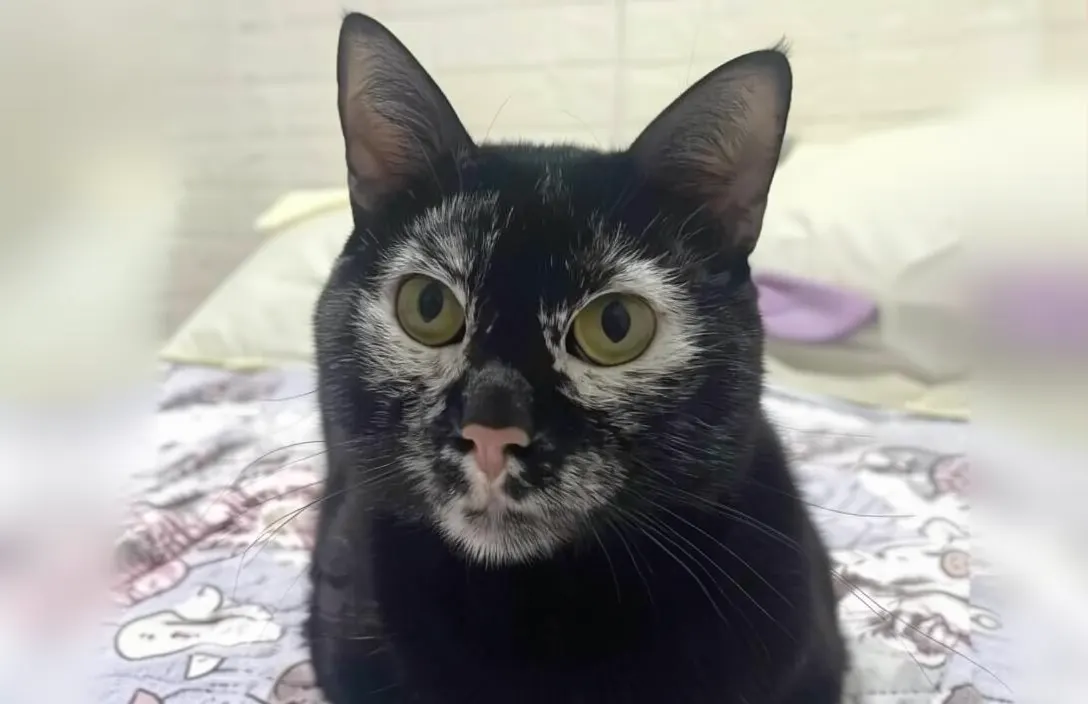
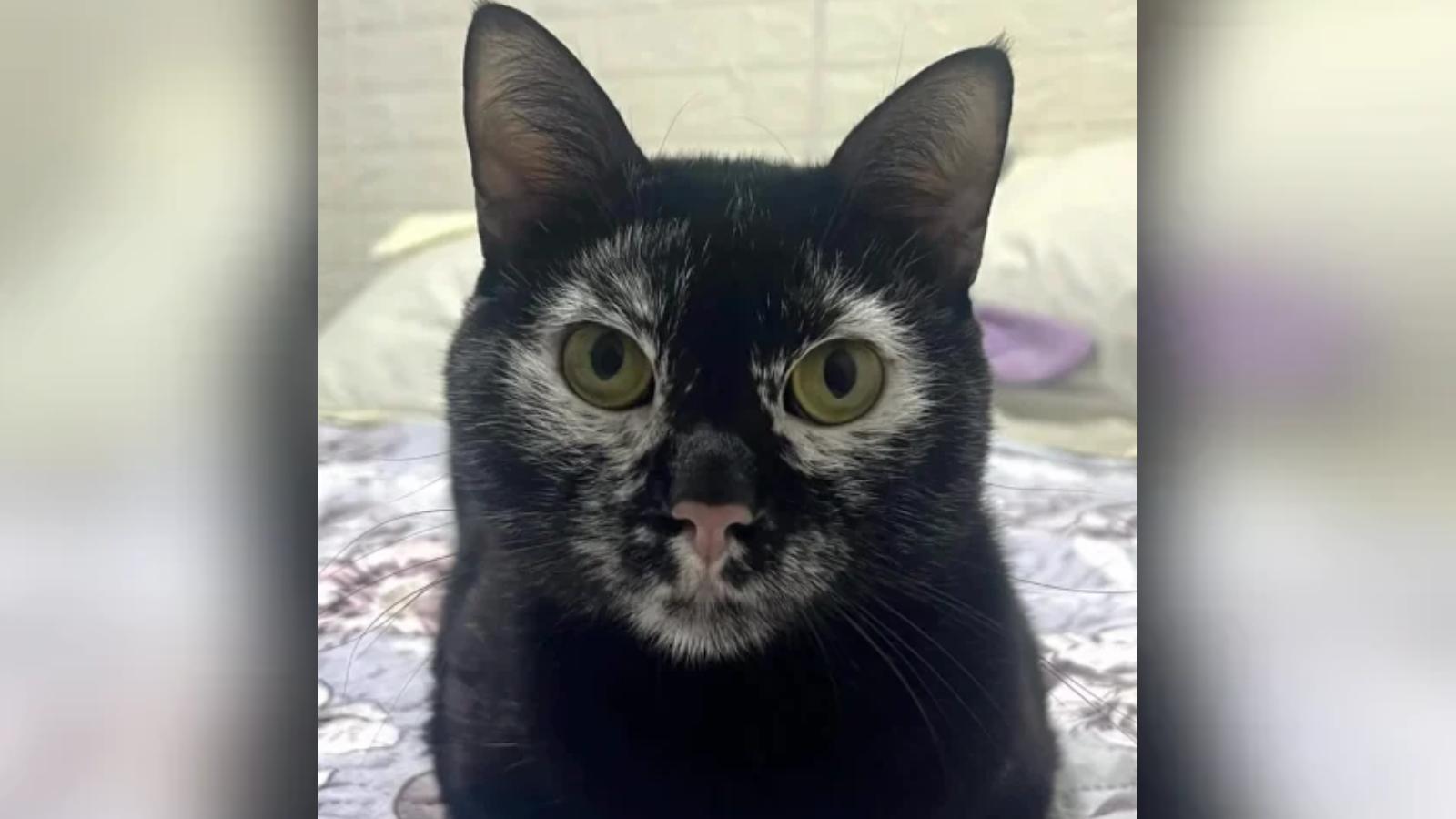
On June 12, 2024, Brazilian photographer Kauane Stephanie received a black kitten named Fumaça as a birthday gift in Belo Horizonte, Brazil. Fumaça was initially a perfect match for Kauane’s dream of having a black cat, and he quickly became a cherished companion in her home. For months, his coat remained entirely black, with no indication of the transformation that would later occur. However, Kauane first noticed a small pink spot on his nose, which marked the beginning of a significant change in his appearance (source ID: 1). [1]
As time passed, additional patches of Fumaça’s fur began turning white, leading Kauane to consult two veterinarians. The condition was identified as vitiligo, a rare pigmentation disorder in cats caused by the destruction of melanocytes, the cells responsible for producing pigment. While the exact cause of vitiligo is not fully understood, autoimmune processes are believed to play a role. Fortunately, the condition is not harmful, contagious, or painful for affected animals (source ID: 1). [1]
Over the following months, Fumaça’s appearance continued to change dramatically, with his once-black fur transforming into a mix of white, gray, and dark patches. Kauane shared a video of Fumaça’s transformation on Instagram, which received over 18.5 million views and 2.2 million likes by October 2026. The video sparked curiosity about vitiligo in cats and led to many pet owners reaching out to Kauane after noticing similar changes in their own animals (source ID: 1). [1]
Despite his changing appearance, Fumaça’s personality has remained the same, and he continues to be an energetic and playful companion to Kauane. His transformation has not only captured the attention of millions online but also raised awareness about vitiligo in animals. Fumaça’s story has become a source of connection and recognition for many pet parents who have experienced similar changes in their own pets (source ID: 1). [1]
Advertisement
On June 12, 2024, Brazilian photographer Kauane Stephanie received a black kitten named Fumaça as a birthday gift in Belo Horizonte, Brazil. Fumaça was the pet Kauane had always wanted, and she named him after the Portuguese word for 'Smoke' (source ID 1). Initially, Fumaça's fur remained entirely black, and there was no indication that his appearance would change dramatically. However, a small pink spot on his nose appeared, marking the beginning of an unexpected transformation. [1]
Over the following months, Fumaça's fur began to change as additional patches of black fur turned white. Concerned about the changes, Kauane consulted two veterinarians, who identified the condition as vitiligo, a rare pigmentation disorder in cats (source ID 1). Vitiligo occurs when pigment-producing cells called melanocytes are damaged or destroyed, leading to the loss of natural color in the fur and skin. Although the exact cause of the condition is not fully understood, autoimmune processes are believed to play a role. [1]
Despite the dramatic changes in his appearance, Fumaça has remained energetic and playful, maintaining the same personality that Kauane fell in love with. His transformation has captured the attention of millions, with a video of his changing coat receiving over 18.5 million views and 2.2 million likes by October 2026 (source ID 1). The video sparked curiosity about vitiligo in cats and led to many pet owners contacting Kauane after noticing similar changes in their own animals. [1]
Kauane Stephanie adopted a black kitten named Fumaça on June 12, 2024, in Belo Horizonte, Brazil, as a birthday gift. Initially, Fumaça had a uniform black coat, but over time, patches of his fur began turning white. This change prompted Kauane to consult two veterinarians, who identified the condition as vitiligo, a rare pigmentation disorder that causes the loss of natural color in the fur and skin (source ID: 1). [1]
Advertisement
Vitiligo in cats is caused by the destruction or damage of melanocytes, the cells responsible for producing pigment. While the exact cause is not fully understood, autoimmune processes are believed to play a role. Fortunately, vitiligo is generally considered harmless and does not cause pain or itching, though depigmented skin may require additional protection from sunlight (source ID: 1). [1]
Kauane shared Fumaça's transformation on Instagram, where the video depicting his changing appearance has received over 18.5 million views and 2.2 million likes by October 2026. The video sparked widespread interest and discussion about vitiligo in animals, with many viewers expressing curiosity and some drawing humorous comparisons, such as to Michael Jackson or flour-covered cats (source ID: 1). [1]
Despite the dramatic changes in his appearance, Fumaça's personality has remained the same, and he continues to be an energetic and playful companion to Kauane. Many pet owners reached out to Kauane after seeing the video, sharing similar experiences with their own animals, which has made Fumaça's story a source of recognition and connection among pet lovers (source ID: 1). [1]
On June 12, 2024, Brazilian photographer Kauane Stephanie received a black kitten named Fumaça as a birthday gift in Belo Horizonte, Brazil. Initially, Fumaça had a completely black coat, which Kauane had always dreamed of owning, as it matched the family’s black dog (source ID 1). Over time, however, Fumaça began developing white patches, with the first noticeable change being a small pink spot on his nose. This led Kauane to consult two veterinarians, who identified the condition as vitiligo, a rare pigmentation disorder in cats (source ID 1). [1]
Advertisement
As the months passed, Fumaça’s fur continued to change dramatically, transforming into a mix of white, gray, and dark patches. Despite the changes in his appearance, Fumaça remained energetic and playful, maintaining the same personality that Kauane had fallen in love with (source ID 1). Kauane eventually decided to share Fumaça’s transformation on Instagram, where the video depicting his changing appearance has received over 18.5 million views and 2.2 million likes by October 2026 (source ID 1). [1]
The video sparked a significant public reaction, with viewers commenting with jokes and comparisons, including references to Michael Jackson and playful suggestions that Fumaça looked as though he had rolled in flour. However, the video also generated genuine interest in vitiligo in cats, with many viewers expressing curiosity about the condition (source ID 1). Kauane noted that several pet parents reached out to her after watching the video, sharing that they had observed similar changes in their own animals (source ID 1). [1]
Sources
Prepared with AI assistance from the cited sources.
The Cali Reporter newsletter
The stories worth your time.
California, the country, and what comes next. Join our free newsletter for reporting that keeps you informed.
More in Pets & Animals
- Husky's Unplanned Church Performance
During a special church service in Portland, Oregon, a Husky's spontaneous howling during a hymn led to an unexpected musical collaboration with the priest, captured on video and shared widely online.
- Oneisall Automatic Two-Bowl Cat Feeder Review
A review of the Oneisall automatic two-bowl cat feeder highlights its functionality, design, and suitability for households with multiple cats.
- FDA Approves New Feline Parasiticide and New Nutrition Products for Cats
Recent developments in veterinary care for cats include the FDA approval of a new parasiticide and the introduction of new nutrition products designed to support feline health.